Yellowstone National Park remains one of the planet’s most compelling natural laboratories, where steaming geysers, otherworldly hot springs, and thriving wildlife converge across a vast, protected landscape. For visitors and nature lovers, understanding the park’s geothermal systems and wildlife behavior makes for a safer, more rewarding visit while supporting long-term conservation.
Geothermal wonders: what to know
Yellowstone sits atop a massive volcanic system, producing a dense concentration of thermal features. Geysers eject hot water and steam in spectacular eruptions; hot springs create vivid pools colored by heat-loving microbes; mud pots bubble with acidic churn; and fumaroles vent superheated gases. Famous sights draw crowds, but lesser-known features can be equally striking and quieter to visit.
Safety first: thermal areas are fragile and dangerous.
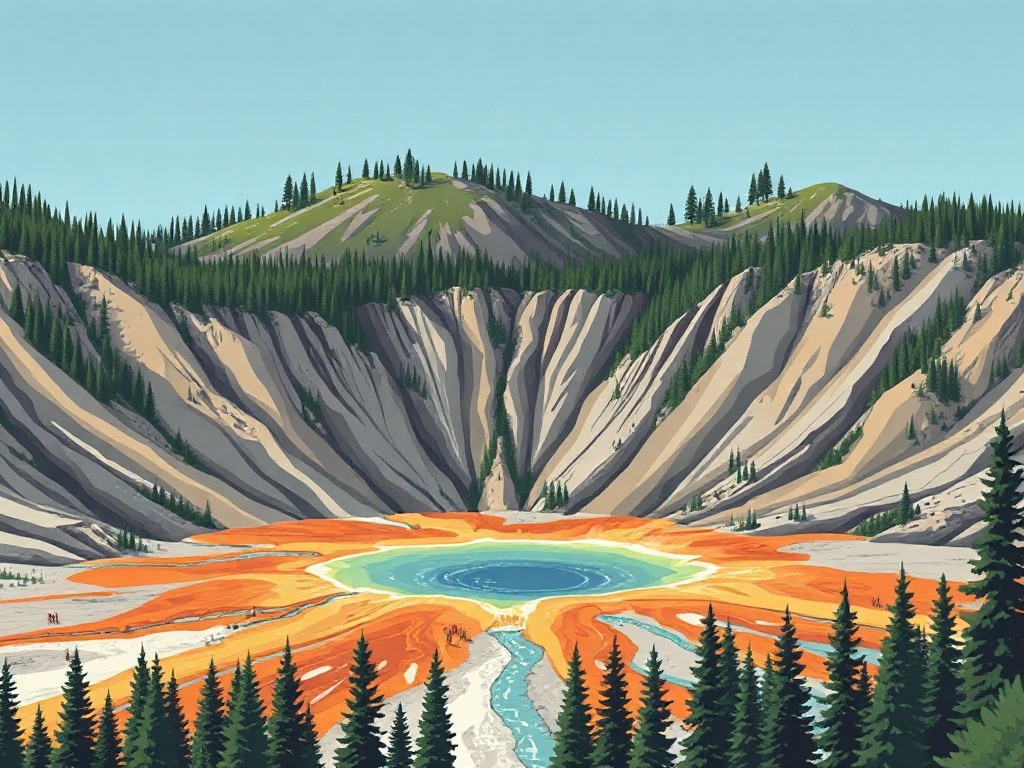
Ground can be thin and water scalding. Always stay on designated boardwalks and trails, obey signage, and never touch or attempt to approach thermal water. These rules protect both visitors and the delicate thermophile communities that create the springs’ iconic colors.
Wildlife viewing: respect and distance
Yellowstone supports large herds of bison and elk, as well as predators like wolves and grizzly bears. Wildlife encounters are highlights but can be risky if animals are approached or harassed. Maintain safe distances—use binoculars or a telephoto lens—and never attempt to feed or interact with wild animals. Bison in particular are deceptively quick and account for many visitor injuries; observe them from a distance and remain inside vehicles if a group is nearby.
Best practices for responsible visits
– Plan ahead: check the park’s official alerts for road closures, trail conditions, and recommended routes. Services and access can vary seasonally.
– Keep to established paths and parking areas to minimize erosion and habitat disturbance.
– Pack out all trash and follow Leave No Trace principles to protect the ecosystem and wildlife.
– Store food properly: use bear-proof lockers where provided and keep food and scented items secured in vehicles or approved containers.
– Be prepared for changing conditions: weather can shift quickly at higher elevations, so layers, sturdy footwear, and water are essential.
Photography and etiquette
Early morning and late afternoon light can enhance thermal pool colors and wildlife silhouettes.
When photographing wildlife, prioritize animal welfare over getting the perfect shot. Avoid using flash on animals and back away if an animal changes behavior due to your presence.
Conservation and research
Ongoing scientific research in Yellowstone informs management of geothermal resources, wildlife populations, and ecosystem health. Visitors play a role by following regulations that minimize human impact and by supporting park programs and education initiatives. Volunteer opportunities and guided programs offered by park staff and affiliated organizations can deepen understanding while contributing to stewardship efforts.
Yellowstone continues to fascinate with its dynamic geology and abundant wildlife. By visiting thoughtfully—staying on trails, keeping a safe distance from animals, and respecting park rules—you’ll help ensure these remarkable landscapes and species remain protected and spectacular for others to experience.
Check the park’s official resources before you go and plan a visit that balances wonder with responsibility.