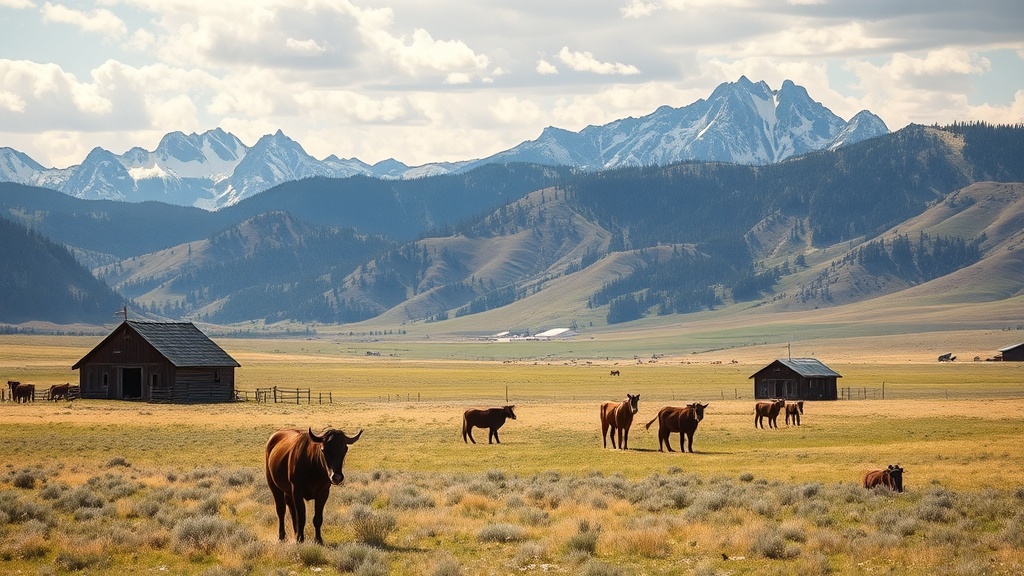
Wyoming ranches capture a powerful blend of working agriculture, wildlife habitat, and outdoor recreation. Known for wide-open skies, rugged foothills, and long grazing traditions, these properties appeal to buyers seeking an authentic Western lifestyle, entrepreneurs building guest-ranch businesses, and conservation-minded stewards protecting vital open space.
What makes Wyoming ranches special
– Expansive landscapes: Large tracts of native rangeland support cattle, horse operations, and diverse wildlife populations. Rolling sagebrush flats, aspen draws, and riparian corridors offer habitat for elk, mule deer, pronghorn, and numerous bird species.
– Working-ranch heritage: Many properties remain fully operational, combining cattle production with lambing, hay production, and seasonal calving. That working character is attractive to those who want both income potential and a hands-on rural life.
– Recreation and tourism: Guest ranches and “dude ranches” provide horseback riding, fly-fishing, hunting, photography, and guided wildlife viewing—an important revenue stream that complements traditional ranch income.
Sustainable practices that strengthen ranch value
Sustainable grazing, water management, and habitat restoration protect the land and increase long-term value. Practices that matter:
– Rotational grazing and pasture rest to improve forage resilience and soil health.
– Riparian restoration to enhance fish and wildlife habitat, stabilize banks, and improve water quality.
– Native grass reestablishment to support drought tolerance and biodiversity.
Conservation easements and working-land programs also help ranch owners preserve open space while potentially unlocking tax and funding tools.
Practical considerations for buyers
Purchasing a Wyoming ranch differs from buying typical real estate. Key items to evaluate:
– Water rights and access: Confirm irrigation rights, stream adjudications, and well permits; water is a defining asset for livestock and irrigation.
– Grazing permits and public land access: Many operations rely on grazing leases from federal agencies; understand permit terms, season of use, and forest or BLM allotments.
– Infrastructure and maintenance: Assess barns, corrals, fences, roads, and water systems—upgrades can be costly in remote areas.
– Operational expertise: If buying a working ranch, plan for experienced ranch management or partnerships with local operators.
Visiting a guest ranch
A stay at a Wyoming guest ranch is a hands-on way to experience ranch life without full-time commitment. Look for:
– Programs that match your skill level, from beginner trail rides to advanced cattle-work experiences.
– Seasonal offerings: Spring and fall bring different wildlife and ranch activities; fishing and hunting seasons vary by region.
– Authentic accommodations and cuisine focused on local fare and hearty meals after a day outside.
Why people invest in Wyoming ranches
Beyond lifestyle appeal, ranch properties often offer diversified income potential—livestock, hay production, guest services, hunting leases, and conservation incentives. For many, ownership is about preserving open space, protecting wildlife habitat, and continuing family or community traditions.
Whether seeking a working cattle ranch, a profitable guest operation, or a conservation property, Wyoming ranches reward long-term stewardship and an appetite for open-country living. Explore local listings, connect with regional ranch brokers, and plan a visit to find properties that match both practical needs and the timeless appeal of the American West.