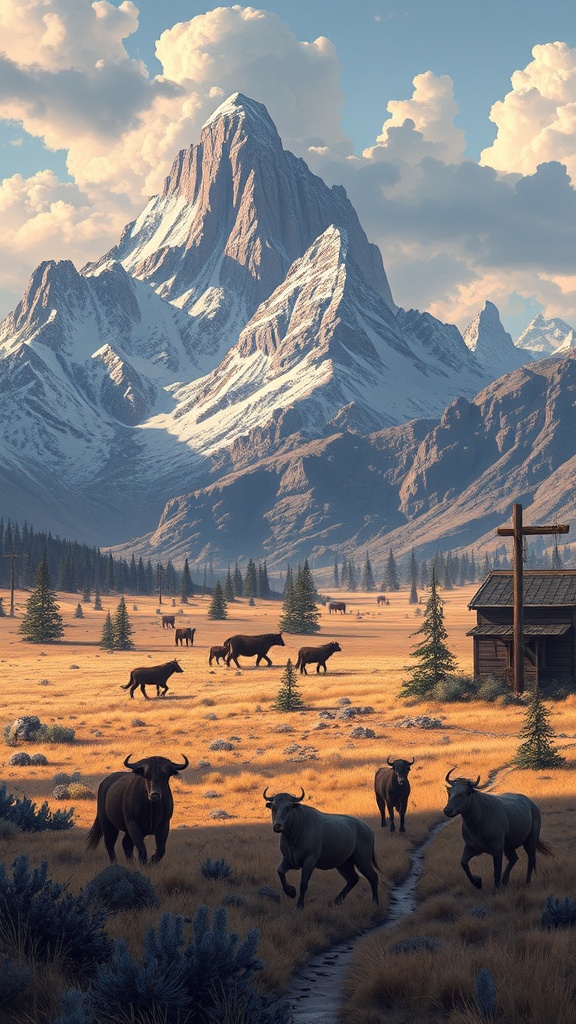
Wyoming ranches capture a fierce, open-sky spirit that keeps drawing visitors, buyers, and conservationists. Whether you’re dreaming of a working cattle operation, a guest ranch getaway, or owning a slice of wide-open landscape, Wyoming offers a blend of rugged authenticity and modern opportunity that’s hard to match.
Why Wyoming ranches stand out
Wyoming’s landscape—rolling grasslands, high plateaus, and mountain foothills—creates ranching conditions that support diverse operations. Many ranches remain hands-on family enterprises raising cattle, horses, and hay. At the same time, a growing number have diversified into guest experiences, conservation partnerships, and sustainable land management.
The result is a vibrant mix of tradition and innovation that keeps ranching relevant.
Guest ranch experiences
Dude and guest ranches are a signature attraction. These properties pair authentic ranch life with hospitality: guided trail rides, fly-fishing on private streams, wildlife viewing, and hands-on chores for those who want a taste of ranch work.
Many guests value the combination of rustic lodging and personalized activities that connect people with the landscape and local culture.
Conservation and stewardship
Ranchers increasingly embrace conservation tools—like conservation easements and collaborative grazing plans—to protect open space and wildlife habitat while maintaining productive operations. Practices such as rotational grazing, native grass restoration, and wetland protection improve biodiversity, soil health, and long-term resilience. These stewardship efforts also appeal to buyers and guests seeking properties that balance production with ecological value.
Economic and lifestyle considerations
Owning or operating a ranch in Wyoming involves more than acreage. Key factors include water rights, state and federal grazing permits, winter feeding requirements, and infrastructure like corrals, barns, and fencing. Access and road maintenance can shape operational costs, especially on remote parcels.
That said, many ranch owners value the lifestyle tradeoffs: community ties, land-based work, and the satisfaction of caring for a living landscape.
Working with the local community
Successful ranches maintain close ties to local networks—veterinarians, feed suppliers, extension services, and neighboring producers. Community connections help with seasonal labor, equipment sharing, and market access. For guest ranches, local partnerships enhance visitor offerings through outfitters, guides, and regional attractions.
Tips for buyers and visitors
– Inspect water and grazing rights carefully; deeded land and permitted use can differ widely.
– Evaluate infrastructure: winter hay storage, barn condition, fencing, and livestock handling facilities matter.
– Consider conservation options to protect scenic and ecological values while potentially unlocking tax advantages.
– Visit during an on‑ranch experience if possible—spend a few days living the routine to assess fit.
– Factor in operating costs for remote access, especially snow removal and seasonal staff.
The future of ranching in Wyoming
Ranching continues to adapt. Diversified income streams—guest services, conservation funding, niche beef production, and ecosystem services—help many operations remain viable.
At the same time, the cultural legacy of open range and hands-on stewardship remains central to Wyoming’s identity.
Whether you’re drawn by the idea of seasonal work, a hospitality-driven venture, or long-term land stewardship, Wyoming ranches offer a unique blend of challenge and reward. Their wide horizons and deep ties to place make them compelling for those who want work, refuge, and a living landscape to care for.