Wyoming: Wide-Open Spaces, Wild Places, and Outdoor Opportunity
Wyoming is a place where dramatic landscapes meet a resilient culture of ranching, energy, and outdoor adventure. Known for sweeping high plains, jagged mountain ranges, and iconic national parks, the state draws travelers and nature lovers seeking wide-open spaces, abundant wildlife, and a break from crowded destinations.
Top destinations and what to expect
– Yellowstone National Park: Famous for geothermal features like geysers and hot springs, the park also offers wildlife viewing opportunities—think bison, elk, and bears—along scenic drives and boardwalks.
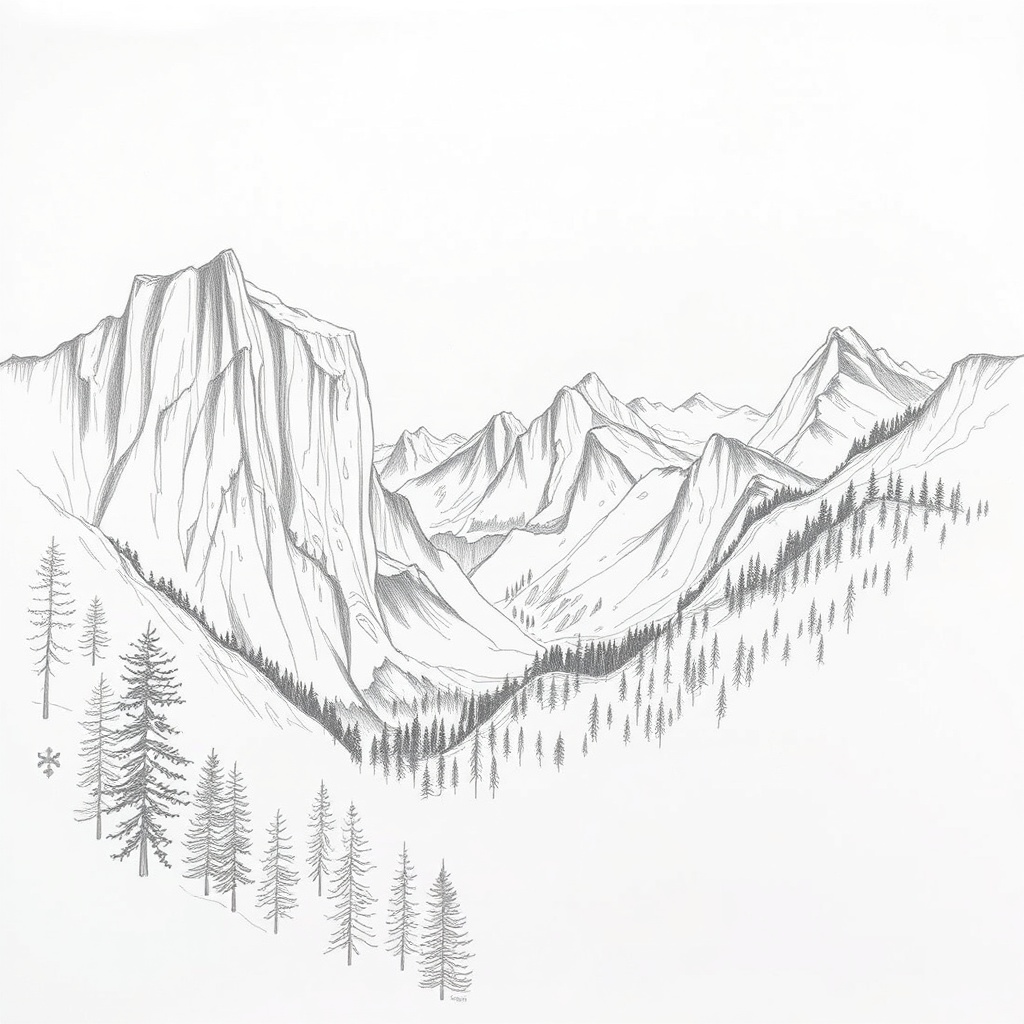
Backcountry permits are required for overnight trips; always keep a safe distance from wildlife and follow park guidance on closures and safety.
– Grand Teton National Park: Dramatic peaks rising from Jackson Hole create world-class opportunities for hiking, climbing, and water activities on pristine lakes. Sunrise photography along the Teton range is a must for landscape photographers.
– Jackson Hole and Cody: Jackson Hole blends upscale amenities with rugged access to wilderness; nearby Cody provides a gateway to western heritage, rodeo culture, and proximity to Yellowstone’s east entrance.
– Lesser-known gems: The Wind River Range offers technical climbs and alpine lakes, while Devils Tower attracts climbers and visitors drawn to its unique geology. Wide stretches of public lands invite dispersed camping and solitude.
Outdoor recreation tips
– Pack layers and be prepared for rapidly changing weather, especially at higher elevations.
– Carry bear spray and know how to use it; store food properly and follow campground rules.
– Practice Leave No Trace ethics—pack out all trash and minimize campfire impacts.
– Check road and trail conditions ahead of time; some routes require high-clearance or 4WD vehicles.
– Book lodging and permits early for peak travel windows, and consider weekdays or shoulder seasons for fewer crowds.
Wildlife and conservation
Wyoming’s ecosystems support large mammals including bison, moose, elk, pronghorn, and bears. Conservation and land-management decisions are active topics across the state as wildlife corridors, grizzly and wolf recovery issues, and grazing rights intersect with recreation and resource development. Visitors can support conservation by sticking to designated trails, respecting closures during sensitive seasons, and donating time or money to local land trusts and park foundations.
Energy and economy
Energy production is a major part of Wyoming’s identity.
The state is known for fossil fuels and also has substantial wind energy development across its open basins. Policy efforts and private investment have spurred projects that pair traditional energy strengths with new technologies, including carbon management strategies and expanding renewable capacity. Agriculture—primarily cattle ranching—and tourism round out the economic picture, with small communities relying on a mix of visitors and local industries.
Practical travel advice
– Fuel up when you can—service stations can be spaced far apart.
– Cell coverage is limited in many rural and mountainous areas; download maps offline.
– Respect private property and working ranches—ask before photographing livestock or crossing fences.
– Support local businesses: small-town diners, outfitters, and guide services add authenticity to any trip.
Wyoming rewards visitors who arrive prepared and curious. Whether seeking adrenaline in alpine bowls, solitude on a backcountry trail, or a front-row seat to geothermal wonders, this state delivers a powerful sense of space and story for anyone ready to explore.