Wyoming: a vast playground for outdoor adventure and wildlife viewing
Why Wyoming draws explorers
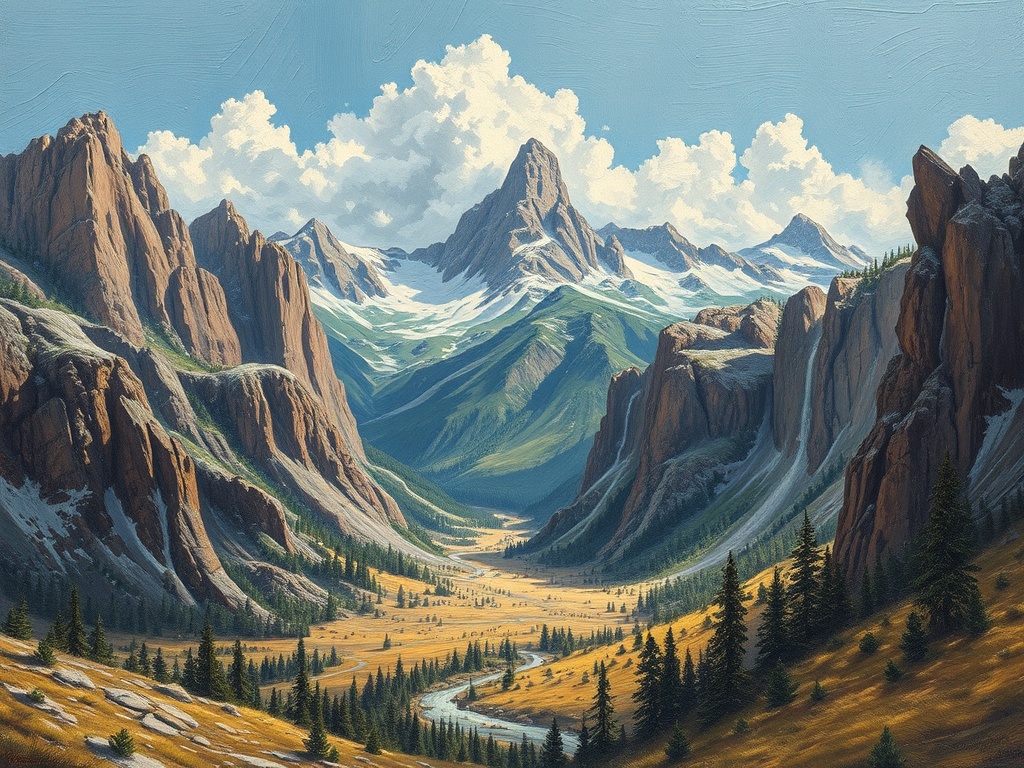
Wyoming’s wide-open landscapes combine towering mountain ranges, high plains, and geothermal wonderlands, creating one of the most varied outdoor playgrounds in the country. From world-class fly fishing and backcountry hiking to wildlife viewing and winter sports, the state offers experiences that appeal to both first-time visitors and seasoned outdoor enthusiasts. Keywords like Wyoming outdoor adventure, Yellowstone National Park, and Grand Teton often guide trip planning because they capture what most travelers seek: dramatic scenery, abundant wildlife, and authentic western culture.
Top outdoor experiences
– National parks and scenic drives: A visit to the state’s iconic geothermal basins and jagged peaks is a must. Scenic drives link trailheads, overlooks, and historic sites, making it easy to craft flexible itineraries for photography, picnicking, and short hikes.
– Hiking and backpacking: Trails range from gentle valley walks to challenging alpine routes. Backcountry permits are required in some protected areas, so check park resources before heading out.
– Fly fishing and river trips: Cold, clear rivers and high-country lakes offer excellent trout fishing. Guiding services and outfitters can help beginners and provide equipment for longer float trips.
– Winter sports: Mountain towns turn into hubs for skiing, snowboarding, and snowshoeing. Backcountry skiing is popular, but avalanche awareness and proper gear are essential.
– Wildlife viewing and birding: Elk, moose, bison, pronghorn, and a variety of raptors and waterfowl draw wildlife watchers.
Dawn and dusk are peak viewing times; keep a respectful distance and use binoculars or long lenses.
Responsible travel and safety
Wildlife is wild—observe from a safe distance and never feed animals.
Parking areas and pullouts along highways can become crowded during peak seasons; plan for slower travel and bring layers for sudden weather changes. Leave No Trace practices preserve fragile alpine meadows and sagebrush ecosystems. For backcountry activities, carry navigation tools, check trail and road conditions, and register trip plans with a trusted contact.
Conservation matters
Efforts to protect habitat connectivity and species like sage grouse and migratory ungulates shape land management decisions.
Many local organizations work with landowners, recreation groups, and government agencies to balance public access with habitat protection. Visitors who stay on designated trails and respect seasonal closures help preserve critical breeding and migration zones.
Local culture and small towns
Beyond outdoor pursuits, Wyoming’s towns offer museums, rodeos, farmers’ markets, and cowboy culture that reflect a strong sense of place. Food scenes range from casual mountain fare to refined dining in resort communities. Small-town visitor centers and local guides provide insights into both natural history and contemporary life on the high plains and in the mountains.
Planning tips
– Check park websites and local ranger stations for current trail conditions, permit requirements, and road closures.
– Reserve accommodations and guided trips early for high-demand areas, and consider shoulder seasons for fewer crowds.
– Pack layers, sun protection, and hydration—mountain weather changes quickly and altitude affects exertion.
– Respect private property and grazing lands; stick to public access points and marked routes.
Wyoming rewards curiosity and preparation. Whether chasing a sunrise over alpine lakes, spotting a bull elk bugling at dawn, or tracing geothermal steam vents with a camera, visitors who travel thoughtfully will leave with lasting impressions and help preserve the places they came to see.