The Rocky Mountains: Resilience, Recreation, and Responsible Visitation
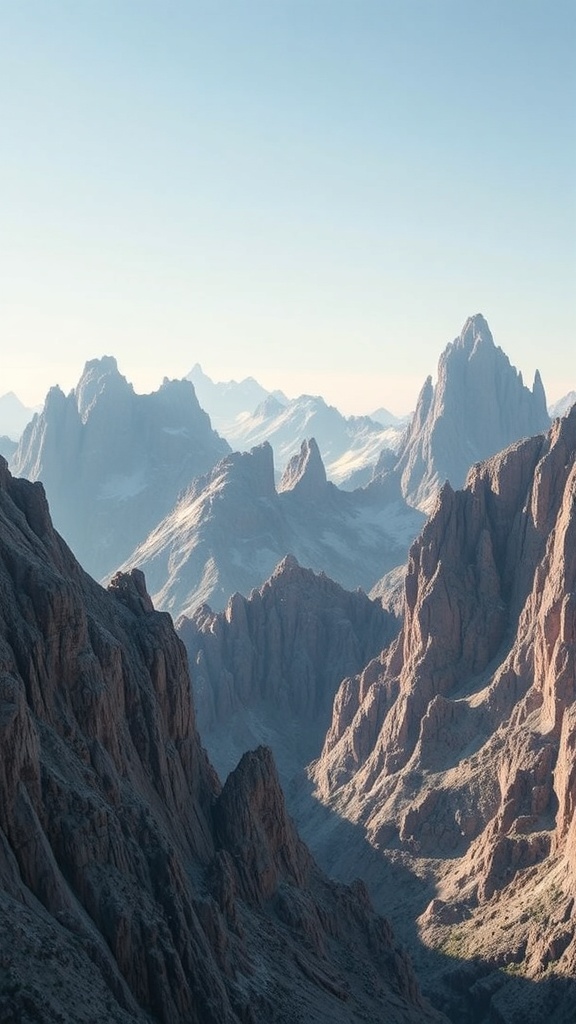
The Rocky Mountains are one of North America’s most iconic landscapes, offering dramatic peaks, wide alpine meadows, and vital watersheds that feed rivers and support diverse wildlife.
Whether you’re drawn to high-country hiking, winter sports, or wildlife viewing, the Rockies combine powerful natural forces with fragile ecosystems that deserve thoughtful stewardship.
Geology and Ecosystems
The Rockies formed through tectonic uplift and long-term erosion, producing a varied landscape of sharp ridgelines, glaciated valleys, and sedimentary plateaus. Elevation drives distinct ecological zones: montane forests of pine and fir give way to subalpine meadows and alpine tundra above treeline. Those high-elevation communities are especially sensitive — soils are thin, growing seasons are short, and plant recovery after disturbance can take decades.
Wildlife and Habitat Pressures
The range supports large mammals such as elk, mule deer, mountain goats, and predators like wolves and bears. Migratory corridors connect summer and winter habitats, so landscape fragmentation from roads, development, and recreational infrastructure can disrupt movement and genetic exchange. Climate-related shifts — including changing snowpack patterns and increased wildfire activity — are altering habitat availability. Bark beetle outbreaks and disease events can further stress forest resilience, sometimes visibly reshaping vast swaths of timberland.
Recreation Trends and Safety
Outdoor recreation in the Rockies continues to grow. Popular activities include day hiking, backpacking, mountaineering, mountain biking, and backcountry skiing.
Increased use brings both economic benefits to gateway communities and management challenges for public lands.
Key safety tips:
– Check trail and weather conditions before heading out and be prepared for rapid changes in mountain weather.
– Pack layers, navigation tools, adequate water, and food.
High elevation amplifies sun exposure and shortens breathing effort; take time to acclimate to altitude.
– Practice wildlife safety: store food properly, carry bear spray where recommended, and maintain safe distances from animals.
– Follow trail etiquette—yield appropriately, announce passes on singletrack, and keep pets under control.
How to Minimize Your Footprint
Protecting fragile alpine environments requires small but consistent actions. Stay on designated trails and avoid shortcuts that widen paths and damage vegetation.
Camp at established sites and use existing fire rings when fires are permitted; in sensitive alpine zones, consider a stove-only policy. Pack out all trash, including biodegradable food scraps that can attract wildlife. Carpool or use shuttle services to reduce parking pressure and emissions near trailheads.
Conservation and Community Action
Effective stewardship combines science-based management with public engagement. Volunteer trail crews, citizen science projects monitoring wildlife and vegetation, and local conservation groups play a crucial role in maintaining trails and advocating for habitat protection. Supporting policies that protect migration corridors and watershed health helps sustain both biodiversity and recreation opportunities.
A lasting relationship with the Rockies depends on respect and preparation.
Whether you’re planning a short day hike or a multi-day expedition, thoughtful choices make it possible to enjoy these mountains while ensuring they remain resilient and accessible for generations of visitors. Explore responsibly, leave places better than you found them, and join local efforts that help preserve the wild character of the Rockies.