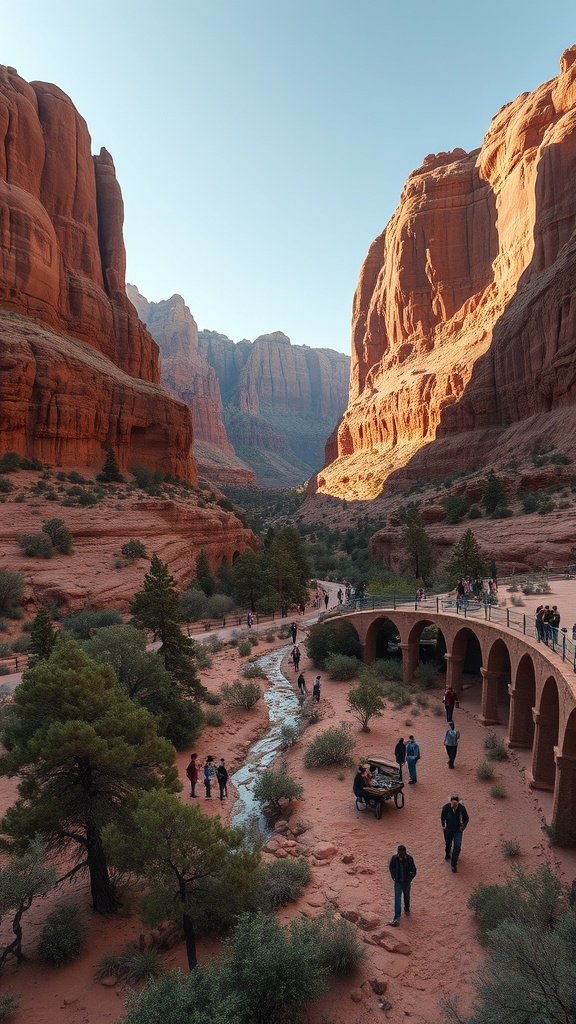
Moab’s landscape is a showcase of red-rock drama — towering fins, sculpted arches, and expansive canyon rims that reward hikers, bikers, paddlers, and photographers. Whether you’re planning a single-day visit or a longer stay, smart planning and awareness of local conditions will make your trip safer and more enjoyable.
Must-see places and trails
– Arches National Park: Home to hundreds of natural stone arches, with iconic hikes like Delicate Arch and the Devil’s Garden loop.
The Windows and Double Arch areas are great for short walks and photography.
Some popular viewpoints require only short, accessible strolls, making them ideal for families.
– Canyonlands National Park: Island in the Sky offers panoramic overlooks such as Grand View Point and Mesa Arch; The Needles area provides more rugged, multi-day opportunities for backpacking and technical trails.
– Sand Flats Recreation Area: Known for the Slickrock Trail and challenging mountain-bike runs like Fins and Things, this area also provides scenic OHV and rock-climbing access.
– Colorado River and Dead Horse Point: River trips offer a different perspective on the canyons, while Dead Horse Point delivers one of the most dramatic overlooks in the region.
– Off-park gems: Corona Arch and Fisher Towers are popular local hikes outside national park boundaries and can be less crowded than central park trails.
Practical planning tips
– Check access rules and potential timed-entry or parking restrictions before you go; some areas use reservation systems during peak visitation. Local ranger stations and official park websites offer the most current information.
– Start hikes early or late in the day during warm seasons to avoid heat and crowds. Shade is scarce on sandstone, and exposed trails can be much hotter than ambient air temperatures.
– Bring at least one liter of water per hour of hiking in hot conditions, plus sun protection, a hat, and layered clothing for temperature swings between day and night.
– Trail markers can be sparse in slickrock terrain; carry a map or GPS and know your route. Cell service is limited in many areas.
– If you plan to bike, raft, or hire guided trips, reserve with local outfitters ahead of time, especially for specialized services like technical canyoneering or multi-day river trips.
Leave no trace and safety
– Stay on established trails and avoid climbing or walking on fragile cryptobiotic soils and delicate cliff edges. These features recover slowly and are essential for desert ecosystems.
– Drones are restricted in national parks and can disturb wildlife and other visitors — follow park-specific rules.
– Pets are allowed in some areas but restricted on many trails and inside park zones; research pet rules before bringing your dog.
– Flash floods can occur in narrow canyons after storms; avoid slot canyon exploration without proper knowledge and weather checks.
Where to stay and how to get around
– Moab’s town offers a range of lodging, campgrounds, and services, plus outfitters for guided adventures and equipment rentals. Nearby BLM lands allow dispersed camping with regulations; pay attention to fire restrictions and campsite rules.
– Many scenic drives and trailheads require high-clearance or four-wheel-drive vehicles for backcountry access — ask locals or ranger staff if unsure.
Respecting this remarkable landscape ensures future visitors can enjoy the same sweeping views and outdoor adventures.
With responsible planning, Moab delivers unforgettable experiences across climbing walls of sandstone, river-carved canyons, and vast desert skies.