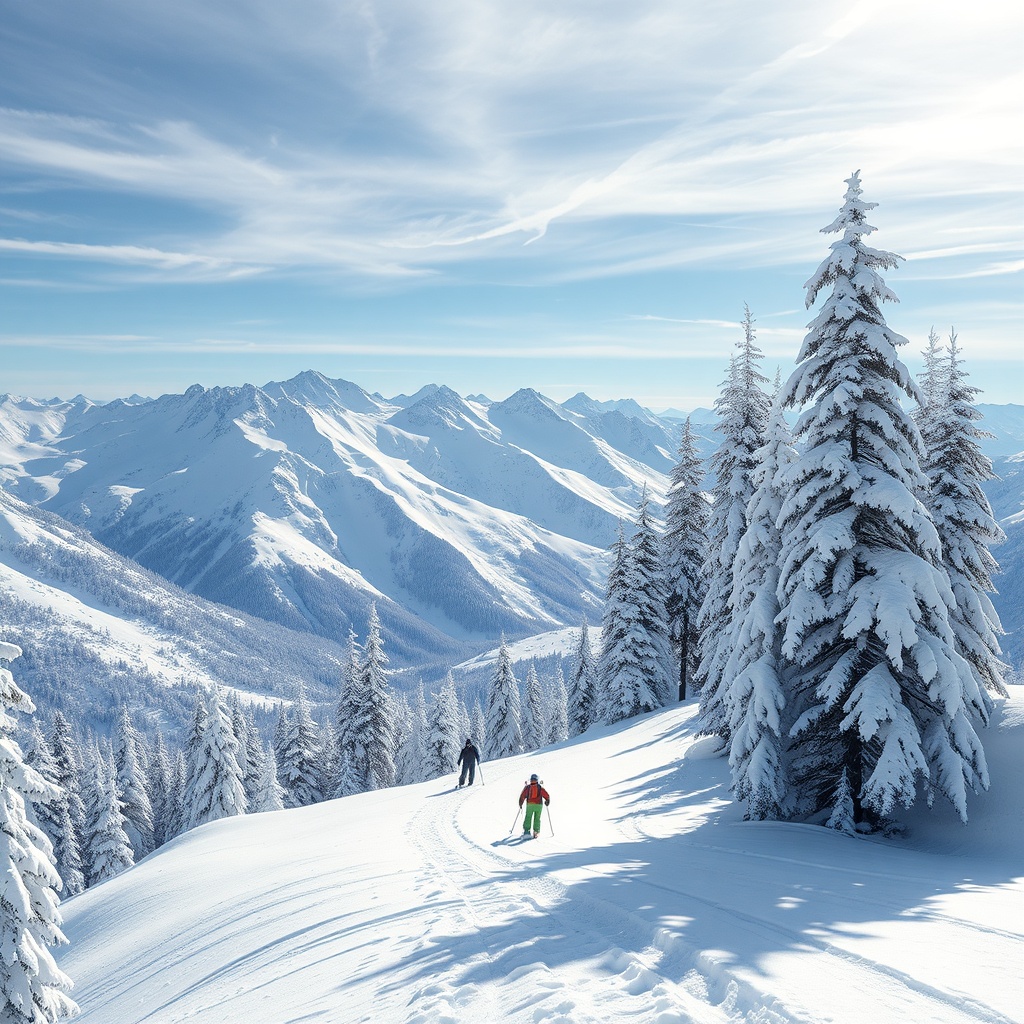
Utah skiing blends world-class terrain, famously light powder, and convenient access from a major airport—making it a top pick for powder hounds and families alike. Whether you chase steep couloirs at Snowbird, groomed runs at Deer Valley, or mellow cruisers at Park City, Utah delivers variety and consistently excellent snow quality.
Why Utah stands out
Utah’s mountain ranges sit at a sweet elevation and benefit from a climate that produces dry, low-moisture powder. That “champagne snow” makes deep turns easier and keeps conditions enjoyable for longer than heavier, wetter snow. Many resorts are clustered within a short drive of Salt Lake City International Airport, which means less travel time and more time on the slopes.
Resort highlights
– Alta & Snowbird: Known for steep terrain, abundant off-piste options, and a true mountain experience. Alta is skiers-only, while Snowbird offers big vertical and long, adventurous runs.
– Park City: The largest ski area in the state with a wide mix of terrain, extensive lift network, and a vibrant town base with dining and nightlife.
– Deer Valley: Renowned for hospitality, meticulously groomed runs, and a more upscale, skier-only environment with strong service offerings.
– Brighton & Solitude: Great value for families and locals; Brighton is beloved for night skiing and a laid-back vibe, Solitude offers quieter lift lines and varied terrain.
Planning and logistics
– Lift tickets and passes: Compare day tickets with multi-resort season passes like Epic and Ikon to see what matches your itinerary. Early purchase often yields savings, but flexible options exist for last-minute plans.
– Transportation: Salt Lake City is the main gateway; rental cars and shuttle services connect to the ski areas. Mountain road conditions can change quickly—carry traction devices and allow extra travel time.
– Lodging: Staying slopeside maximizes convenience, but staying in town often provides better prices and nightlife. Book early for holiday windows and popular weekends.
Safety and off-piste considerations
Backcountry access is excellent, but avalanche risk is real. Check the regional avalanche center forecast before heading out, and always carry a beacon, shovel, and probe with proper training. Consider hiring a guide for unfamiliar or complex terrain.
For resort-adjacent adventures, know the boundary rules—entering uncontrolled terrain can be hazardous and risky for rescue delays.
Lessons, rentals, and services
Most resorts offer beginner and advanced lessons, private coaching, and kids’ programs. Rental shops at the base provide modern gear and demo skis. Booking lessons and rentals in advance can reduce wait times, especially on busy weekends.
Après and local culture
Utah après-ski ranges from casual beer halls to refined mountain dining.
Many resorts spotlight regional cuisine and craft beers.
Off the slopes, explore historic Main Streets, steam rooms and spas, or cultural attractions in nearby cities.
Quick packing & prep checklist
– Layering system (base, insulating, waterproof shell)
– Goggles and a helmet
– Beacon, shovel, probe for backcountry outings
– High-SPF lip and face protection
– Hydration pack and snacks
– Phone charger and small first-aid kit
Utah rewards preparation: know your skill level, monitor conditions, and choose terrain that matches your goals. With accessible mountains, reliable powder, and options for every type of skier, Utah remains a compelling destination for a memorable ski trip. Check current mountain reports and book essentials early to make the most of your mountain days.