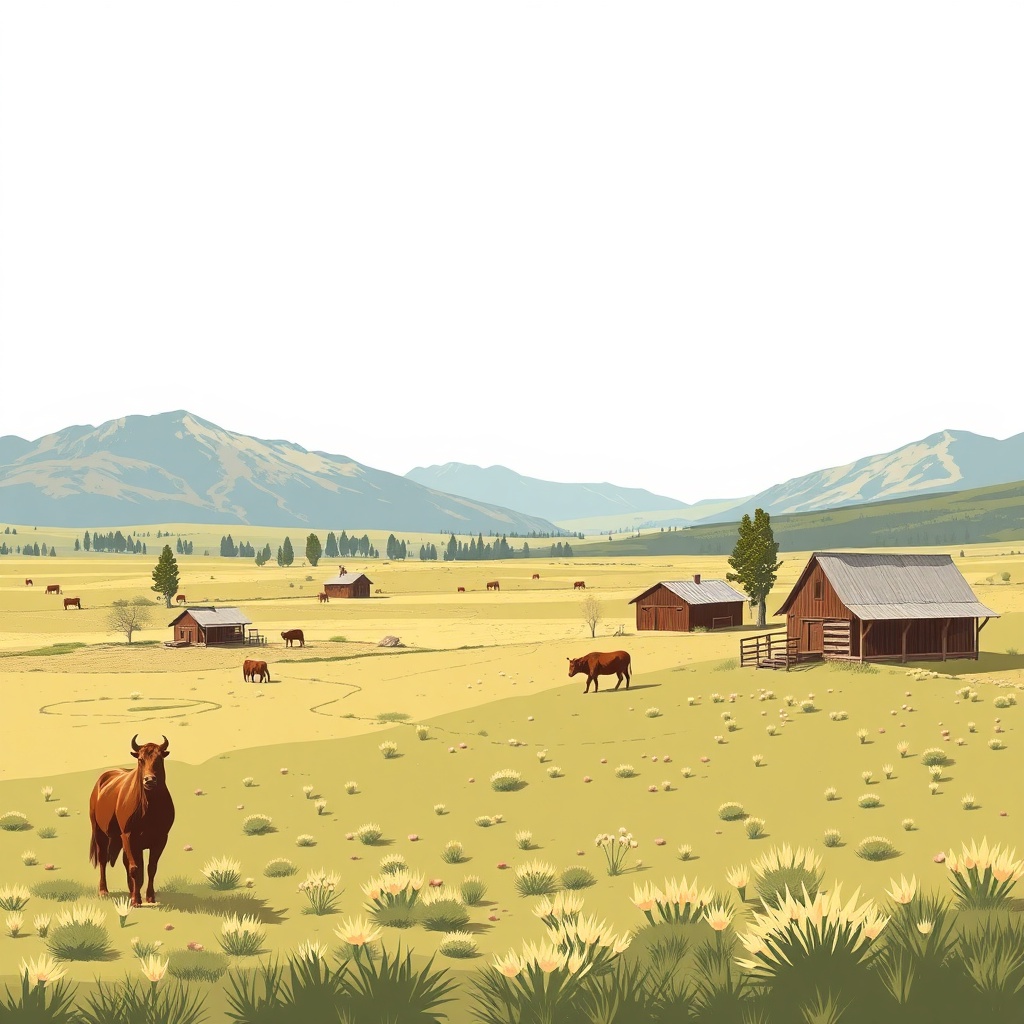
Wyoming ranches capture a unique blend of wide-open landscapes, working agriculture, and outdoor recreation.
For those drawn to sweeping sagebrush flats, mountain-front pastures, and skies that seem to stretch forever, owning or visiting a Wyoming ranch offers both a lifestyle and an investment anchored in land, water, and stewardship.
What makes Wyoming ranches distinctive
Wyoming’s ranches stand out because of scale and diversity.
Properties range from modest cattle operations to sprawling working ranches and luxury guest ranches perched against mountain ranges.
Many combine livestock grazing with hay production, conservation parcels, hunting leases, and seasonal recreation. The sparse population and strong agricultural culture foster a sense of self-reliance and deep connection to the land.
Land stewardship and conservation
Stewardship is central.
Successful ranches balance livestock production with wildlife habitat, soil health, and water management. Conservation easements are a common tool that allows owners to protect scenic and ecological values while retaining private ownership and certain tax benefits. Rotational grazing, native grass restoration, and targeted weed control help maintain productive pastures and reduce erosion.
Proactive wildfire mitigation—clearing fuel breaks, managing brush, and maintaining access roads—also protects long-term asset value.
Water rights and grazing considerations
Water is a defining resource on Western ranches. Understanding riparian rights, irrigation infrastructure, and well permits is crucial for anyone buying or operating a ranch. Many properties include diversion ditches, ponds, and stock-water systems; ensuring sustainable water access can determine carrying capacity and hay yields. Grazing leases on public lands, often managed through permit systems, can supplement private acres and are an important part of ranch economics.
Economic diversification and guest ranching
Ranch owners increasingly diversify income to bolster resilience. Guest ranching and agritourism can generate steady revenue—offering lodging, guided hunts, trail rides, and farm-to-table experiences.
Hosting educational workshops or partnering with conservation organizations can bring additional funds while enhancing public appreciation for ranching culture. Renewable energy leases, like wind or solar, may provide long-term passive income without disrupting grazing operations when sited thoughtfully.
Buying a Wyoming ranch: key tips
– Evaluate infrastructure: fencing, corrals, barns, water systems, and roads are core assets that affect operational costs.
– Confirm legal details: verify water rights, grazing permits, mineral rights, and existing easements or covenants.
– Consider access and services: proximity to markets, veterinary services, and emergency response matters for livestock operations.
– Factor in stewardship costs: habitat improvements, weed control, and wildfire mitigation are ongoing investments.
Culture and community
Beyond the economics, ranch life in Wyoming carries cultural weight. Small towns and ranching communities often rally around seasonal events, livestock auctions, and volunteer fire departments. Newcomers who respect local practices and contribute to community life tend to integrate more smoothly and enjoy deeper rewards.
Whether seeking a working cattle ranch, a mountain guest property, or a conservation-focused holding, Wyoming ranches offer enduring appeal.
The combination of natural beauty, productive land, and opportunities for diversified income makes these properties attractive to buyers and visitors who value open space, self-reliance, and long-term stewardship.