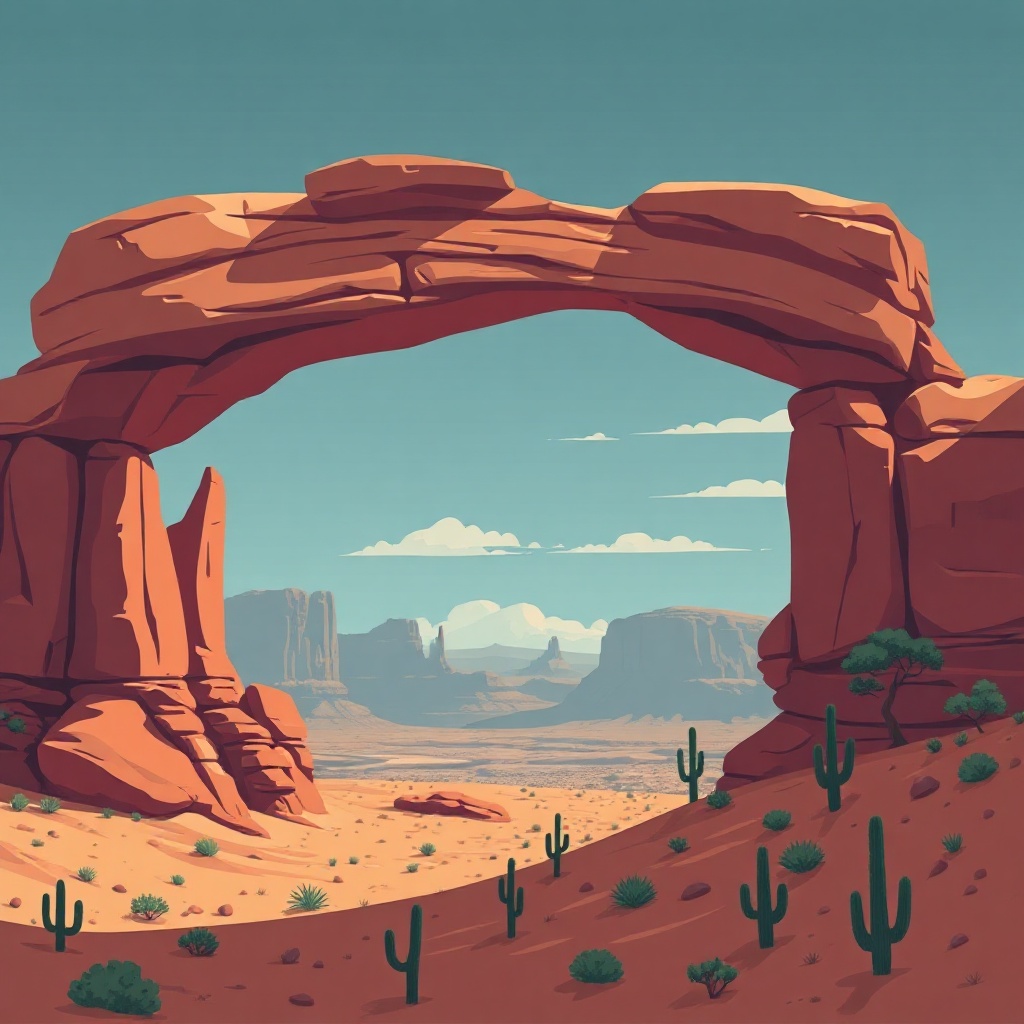
Moab Park sits at the heart of one of the most spectacular desert landscapes in the country, serving as the gateway to iconic red-rock destinations like Arches National Park, Canyonlands National Park, and Dead Horse Point State Park.
Whether chasing sunrise light on sandstone fins, lining up for a slickrock mountain-bike lap, or finding solitude on a backcountry trail, planning and preparation make the difference between an unforgettable trip and a frustrating one.
Top experiences
– Hikes: Must-see trails include the Delicate Arch approach (moderate, with a notable final climb), Landscape Arch in Devils Garden (longer routes available), and Mesa Arch in the Island in the Sky district of Canyonlands (short, photo-friendly). Many overlooks reward modest walks with dramatic canyon-and-river panoramas.
– Mountain biking and 4×4: The Slickrock Trail is world-famous for mountain biking; expect technical ups, fast descents, and spectacular exposure. Off-road routes like Hell’s Revenge and Fins & Things demand capable rigs and experience—traction, clearance, and recovery gear are essential.
– River trips and canyoneering: The Colorado River and nearby Cataract Canyon sections offer multi-day raft trips.
Canyoneering routes in the surrounding public lands range from beginner to expert and often require ropes and route-finding skills.
– Stargazing and photography: Dead Horse Point is an International Dark Sky Park, and Arches offers exceptional night-sky views. Capture Milky Way arch frames, sunrise silhouettes, and long-exposure star trails from elevated overlooks.
Practical planning tips
– Permits, passes, and reservations: Entrance fees apply for national and state parks; some areas use a timed-entry system during busy periods, and backcountry or overnight trips often require permits or reservations. Confirm current rules and make bookings through official park or state websites well before arrival.
– Timing and crowds: Popular viewpoints and trailheads fill early.
Aim for pre-dawn starts for hikes and photography, or late-afternoon visits to avoid peak midday crowds and heat.
– Safety essentials: Desert sun and elevation can dehydrate quickly—carry at least 2–3 liters of water per person for short outings and more for longer routes.
Sun protection, layered clothing, a map or downloaded GPS track, and knowledge of flash-flood risk in slot canyons are mandatory. Cell coverage can be intermittent; treat navigation and emergency plans accordingly.
– Protect the landscape: Stay on designated trails to avoid trampling cryptobiotic soil, which can take decades to recover.
Pack out all trash, use established campsites, and follow Leave No Trace principles.
– Vehicle and gear prep: For off-roading, check tire pressure, recovery gear, and fuel range. Mountain bikers should carry spare tubes, a pump, and tools.
For technical rock routes or canyons, bring appropriate technical gear and check permit requirements.
Accessibility and family options
Many overlooks and visitor-center exhibits are accessible, while shorter trails provide rewarding experiences for families and less-mobile visitors.
Visitor centers provide updated trail conditions, ranger advice, and maps—stop by early in the day for the freshest information.
Final notes
Moab’s parks offer a lifetime of exploration for hikers, bikers, photographers, and casual sightseers alike. Plan ahead for permits and parking, respect fragile desert ecosystems, prepare for changing weather and limited services, and the area will repay with iconic scenery and memorable outdoor experiences. Check official park and state resources for the most current rules and trail status before heading out.