Moab Park: How to Make the Most of Arches, Canyonlands and Surrounding Public Lands
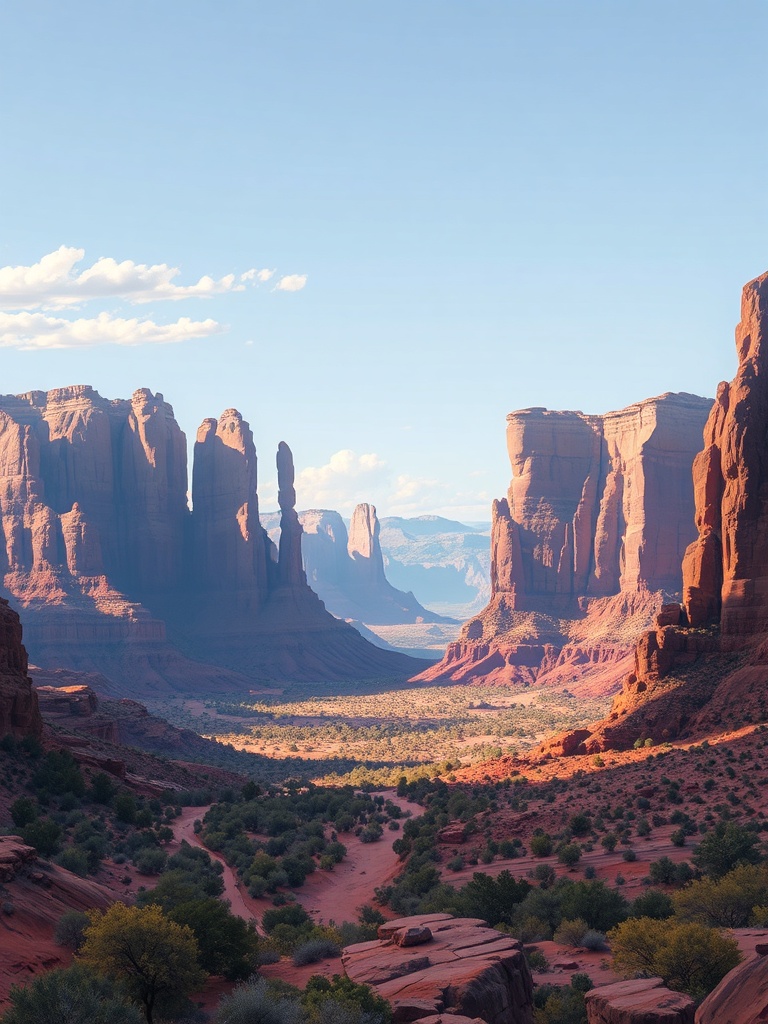
Moab is a basecamp for world-class red-rock scenery, and nearby national parks draw visitors for big arches, sweeping canyons, slickrock rides and endless outdoor access.
Whether you’re chasing sunrise light, solitude on a backcountry ridge, or an evening of stargazing, a little planning makes the experience safer and more rewarding.
Choose where to go and when
Arches National Park is famous for iconic formations and short, photo-friendly overlooks. Delicate Arch remains the bucket-list hike for many visitors, while the Windows and Double Arch areas offer quick, dramatic views with minimal effort. Canyonlands National Park’s Island in the Sky and Needles districts deliver expansive overlooks and opportunities for longer backcountry trips.
For fewer crowds, consider less-visited state and BLM lands around Moab, or popular alternatives like Dead Horse Point State Park and the Sand Flats Recreation Area.
Timing matters. Early mornings and late afternoons provide the best light for photos and cooler temperatures. Weekdays and shoulder seasons usually see lighter traffic.
Some parks use timed-entry reservations or vehicle quotas during peak periods—check official park websites before you go and plan accordingly.
Safety and on-trail etiquette
High-desert environments are exposed and can be unforgiving. Carry ample water—more than you think you’ll need—wear sun protection, and layer clothing for wide temperature swings.
Footwear with good traction is essential for rock scrambling; many trails traverse slickrock and steep drop-offs.
Respect closures and fragile features. Don’t climb on delicate arches, and avoid walking on cryptobiotic soil that takes decades to recover. Stay on designated trails to protect vegetation and prevent erosion. If you bring pets, note that rules restrict them to developed areas in many parks; verify policies before heading out.
Get off the beaten path responsibly
If the main viewpoints feel crowded, explore lesser-known options: backcountry routes in Canyonlands, technical canyoneering in permitted zones, or the network of trails around Castle Valley and the Labyrinth.
For mountain bikers, the Slickrock Trail and other singletrack near Moab are world-renowned—carry tools and a spare tube, and know the route difficulty before you commit.
Permits, camping and stargazing
Backcountry camping and technical climbs often require permits. Car camping is available at park campgrounds and private sites near Moab, and dispersed camping is allowed on many nearby BLM roads with some restrictions. Night skies here are exceptional—plan a late-night viewing away from town lights, and follow guidelines for dark-sky etiquette to preserve the experience for others.
Sustainable visitation
High visitation places stress fragile ecosystems. Practice Leave No Trace: pack out all trash, minimize noise, and leave rocks and cultural artifacts where you find them. Consider using shuttle services where available, carpooling, or cycling to trailheads to reduce congestion and parking pressure.
Final tip
Before you go, check official park pages for trail conditions, closures, and permit requirements. A bit of prep—route knowledge, water, permits, and respect for the landscape—lets you enjoy Moab’s dramatic red-rock playground while helping protect it for future visitors.