Wide skies, rugged foothills and a culture shaped by livestock and hard work make Wyoming ranches a magnet for buyers, guests and conservationists alike.
Whether you’re drawn to a working cattle operation, a remote guest ranch, or a property managed for habitat and recreation, understanding what makes Wyoming ranches unique helps you get the most from the investment and the lifestyle.
What sets Wyoming ranches apart
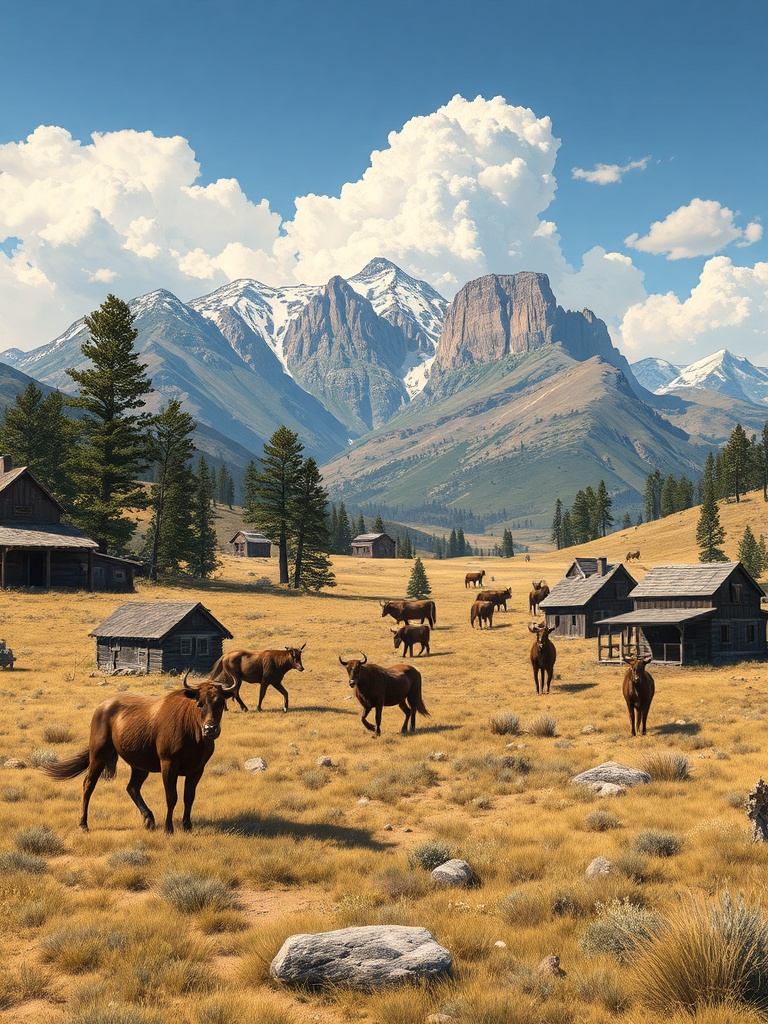
– Scale and scenery: Many properties offer large acreages, framed by mountain ranges, river corridors and sagebrush mesas. That scale supports extensive grazing, wildlife habitat and recreational access that are rare elsewhere.
– Working-ranch culture: Ranch life revolves around seasonal rhythms—calving, branding, haying and fall drives—plus the community traditions of a cowboy way of life.
– Wildlife and habitat value: Elk, mule deer, pronghorn and sagebrush-dependent species often share ranch landscapes, making conservation-minded strategies a common part of land management.
Key considerations for buyers and owners
– Water rights and access: Water is one of the most important aspects of any Western ranch. Verify surface and groundwater rights, ditch ownership, seniority of water shares and any irrigation infrastructure before committing.
– Grazing capacity and permits: Understand carrying capacity for livestock and hay production, plus interactions with state and federal grazing permits where applicable.
Seasonal variability and drought resilience affect stocking rates.
– Infrastructure and improvements: Barns, corrals, working pens, fences and water delivery systems carry value. Remote properties may require upgrades for reliable access, power and communications.
– Legal and tax structure: Many ranch owners protect assets and streamline management by using an LLC or trust. Consult a ranch-savvy attorney and tax advisor to align ownership with conservation goals, estate planning and tax efficiency.
– Conservation easements and incentives: Placing a conservation easement on a ranch can protect landscapes from subdivision and may provide financial benefits or tax incentives while preserving public values like habitat and scenic open space.
Modernizing without losing character
Owners are blending tradition with technology—solar and battery systems for off-grid power, modern well and pump controls, and precision fencing to protect riparian areas. Sustainable grazing practices, rotational systems and riparian restoration are increasingly common as ranches balance production with ecological stewardship.
Diversification and revenue streams
Many ranches supplement livestock income with:
– Guest ranch operations and agritourism: Lodging, guided rides and ranch experiences attract visitors seeking authentic Western hospitality.
– Outfitters and hunting leases: Responsible recreation can provide significant revenue and support habitat management.
– Hay sales, carbon or conservation credits, and timber or fiber enterprises where appropriate.
What visitors should know
When staying at a guest ranch, expect an active pace and seasonal variation. Dress for the weather and terrain, respect livestock and wildlife, and follow staff guidance on safety—especially around animals and open water. Book ahead for peak seasons and ask about lodge amenities, guided activities and skill level requirements for rides.
Managing risk and longevity
Ranch ownership brings opportunities and uncertainties. Weather extremes, market swings and labor needs all factor into long-term success. Building a resilient operation means planning for drought, maintaining infrastructure, diversifying income, and working with local neighbors and land managers.
Wyoming ranches offer a rare combination of working landscape, wildlife values and cultural authenticity. Whether you’re buying, visiting or stewarding land, informed decisions about water, grazing, infrastructure and legal structure will keep a ranch productive, resilient and true to the Western spirit.