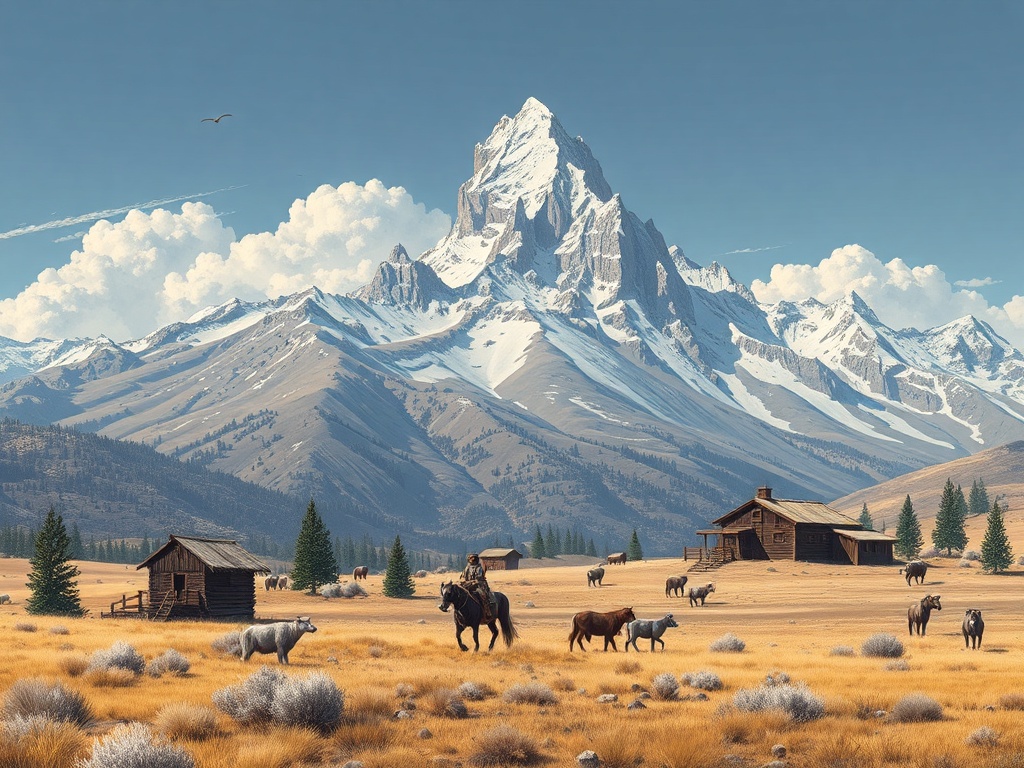
Few landscapes capture the spirit of the West like Wyoming ranches. Wide-open rangeland, rugged mountains, and a culture rooted in livestock and land stewardship combine to create working properties that are both productive and deeply scenic. Whether you’re dreaming of a guest ranch vacation, evaluating a cattle operation, or exploring conservation-minded ownership, understanding the essentials will help you make the most of Wyoming ranch life.
What makes Wyoming ranches unique
Wyoming’s ranches often sit at the intersection of private land and public grazing allotments, with access to iconic public places like Yellowstone and Grand Teton nearby in some regions.
Elevation, seasonal snowpack, and native forage all shape carrying capacity and management decisions. Historically focused on cattle and sheep, many ranches now balance traditional livestock production with diversified income streams such as hunting leases, dude-ranch stays, hay sales, and conservation payments.
Practical considerations for buyers or investors
– Water rights and access: Secure, confirmed water rights are among the most valuable attributes of a ranch.
Look for reliable spring sources, irrigation infrastructure, and legal documentation. In many areas, water availability is the deciding factor for carrying capacity.
– Grazing infrastructure: Evaluate fencing condition, corrals, working pens, handling facilities, and roads. Good infrastructure lowers labor costs and improves livestock welfare.
– Access and easements: Private access roads and right-of-way agreements can make or break the usability of a property. Confirm maintenance responsibilities and any public land adjacency that affects management.
– Soils and forage: Soil health, native grass composition, and presence of invasive species like cheatgrass influence long-term sustainability.
Consider a forage assessment to understand stocking rates and hay needs.
– Conservation and tax incentives: Conservation easements and working-land programs can protect open space while offering tax benefits. Local land trusts and ag-focused conservation organizations are active partners for many ranch owners.
Sustainable ranch management strategies
Ranchers increasingly adopt rotational grazing, rest-rotation systems, and adaptive stocking to build resilient rangelands. These practices boost native plant diversity, improve water retention, and reduce erosion. Integrating riparian buffers and fencing sensitive areas protects springs and streambanks, improving habitat for wildlife while supporting livestock needs. Some operations also explore carbon sequestration programs, native grass restoration, and solar energy installations to diversify revenue and lower operating costs.
Visitor experiences and guest ranches
Guest ranches—often called dude ranches—offer a blend of hospitality and hands-on Western experiences, from trail rides and cattle drives to fly-fishing and wildlife viewing.
Look for ranches that prioritize authentic experiences, sustainable land use, and personalized service. Booking directly through reputable ranchs or regional tourism bureaus usually yields the best insight into seasonal offerings and lodging options.
Challenges and opportunities
Ranching in Wyoming faces challenges like variable precipitation, wildfire risk, and market fluctuations.
Yet opportunities persist in value-added ventures (like branded beef and agritourism), partnerships with conservation organizations, and technological improvements such as remote monitoring, precision feeding, and water management tools that reduce labor and increase efficiency.
Whether you’re seeking a working cattle ranch, a conservation property, or a western getaway, Wyoming ranches offer a distinctive combination of lifestyle, stewardship, and opportunity.
Start by prioritizing water, infrastructure, and forage health, then explore ways to adapt operations for resilience and diversified income streams. Visiting properties and talking with local ranchers and conservation groups will reveal practical knowledge that no listing can capture.