Utah Outdoors: A Blueprint for Adventure, Conservation, and Local Culture
Utah is synonymous with dramatic landscapes — arches, canyons, slickrock, and snow-capped peaks — making it one of the most versatile playgrounds in the country. Whether chasing sunrise colors in a red-rock amphitheater, carving powder in a world-class mountain range, or exploring a thriving urban scene, smart planning and responsible travel make the experience richer for everyone.
Plan with purpose
Popular areas can get crowded, so planning ahead is essential. Check official park and recreation websites for permit requirements, timed-entry systems, and trail conditions before you go. Aim to start day hikes early or late to avoid peak crowds and midday heat.
If you’re visiting multiple parks, build in buffer time for slow scenic driving and unexpected photo stops.
Choose diverse experiences
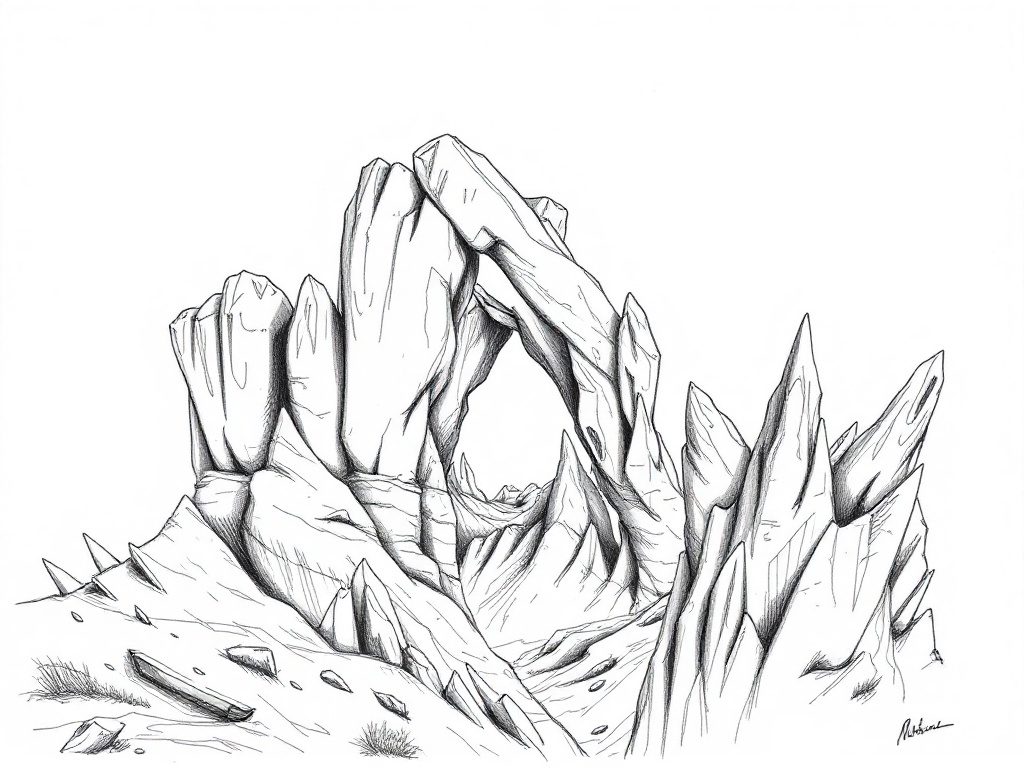
– National treasures: The region’s parks feature distinct geology and hiking options, from hoodoos and natural amphitheaters to narrow slot canyons and cathedral-like walls. Mix a famous trail with a lesser-known route to balance iconic views and solitude.
– River and desert adventures: Rafting, mountain biking, and canyoneering are top draws. Guided outfitters provide safety, gear, and local knowledge, especially for technical descents or desert navigation.
– Mountain recreation: The nearby mountain ranges deliver spring blooms, summer alpine hikes, and winter sports. Resorts and backcountry areas both offer access — choose according to skill and avalanche awareness.
Respect the land
Conservation matters here more than ever. Arid ecosystems are fragile; plant communities and cryptobiotic soils take a long time to recover from disturbance.
Follow Leave No Trace principles: stay on durable surfaces, pack out what you bring in, camp in designated areas, and use established fire rings where allowed. Water is precious — carry plenty and use it wisely.
Safety essentials
Desert environments present specific hazards: sudden weather shifts, intense sun, and limited water sources. Carry navigation tools, enough water for the entire outing, and sun protection. If you head into backcountry or slot canyons, let someone know your route and expected return. For winter outings in the mountains, check avalanche forecasts and travel with appropriate safety equipment.
Support local communities
Small towns and cities near outdoor hotspots depend on visitors. Choose locally owned lodging, cafes, and shops to invest in community resilience. This promotes sustainable tourism and gives you a more authentic experience — from craft beverages and regional cuisine to locally guided tours that highlight cultural and natural history.
Accessibility and inclusion
Efforts to expand accessibility have grown, with improved facilities and adaptive programs making the outdoors more welcoming. Look for accessible trails, shuttle services, and organizations that provide equipment and training for people with mobility or sensory needs.
Capture memories responsibly
Photography is a big part of the draw — but remember ethical framing: avoid disturbing wildlife, don’t create social media-driven “photo stunts” that damage vegetation, and respect private property. A great image is worth less than preserving the view for everyone.
Keep it evergreen
Whether you’re a first-time visitor or a seasoned explorer, the best trips blend preparation, respect for the environment, and support for local economies. With thoughtful choices, Utah’s bold landscapes remain stunning and available for future visitors to discover.