Yellowstone is a living laboratory where geology, wildlife, and vivid landscapes come together. For anyone planning a visit or simply curious about national parks, understanding what makes Yellowstone unique helps you get more out of the experience while staying safe and respectful of fragile places.
What makes Yellowstone special
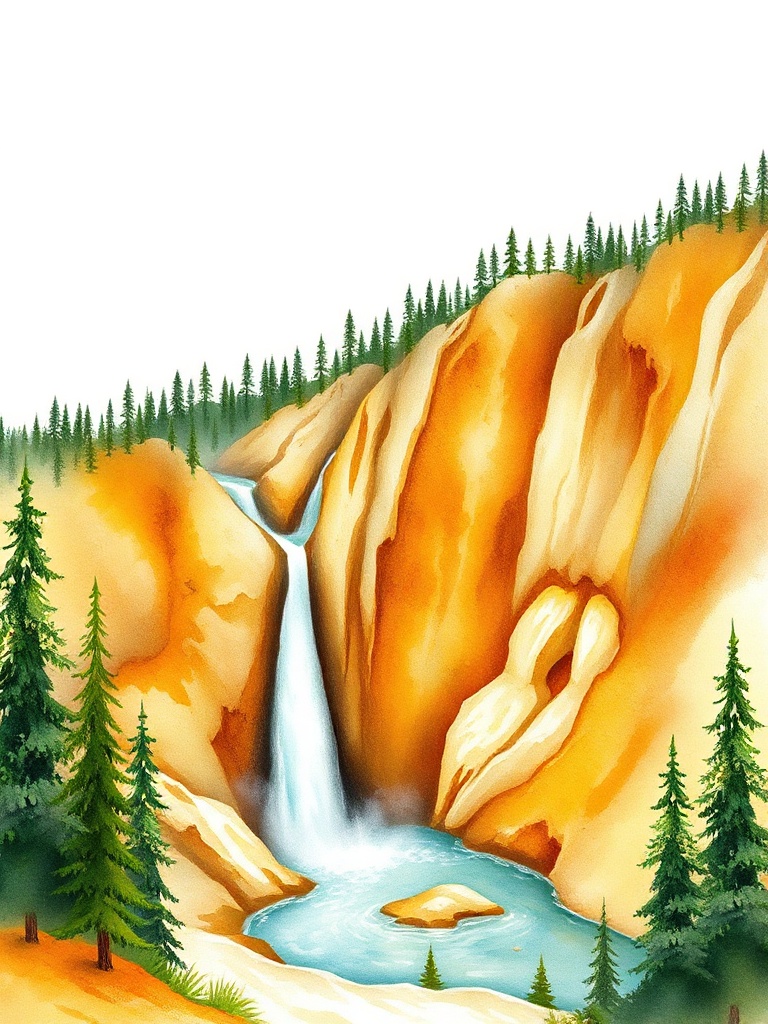
Yellowstone sits atop a powerful hydrothermal system fed by a volcanic heat source deep below the surface. That energy produces an array of geothermal features: steaming fumaroles, bubbling mud pots, terraced hot springs, and the world’s most famous geysers.
Colorful microbial mats around hot springs create the brilliant blues, oranges, and yellows that draw photographers and nature lovers. These features are delicate and potentially dangerous, so staying on boardwalks and marked trails is essential.
Top places to see
– Old Faithful and the Upper Geyser Basin: Predictable eruptions make Old Faithful a must-see, while surrounding geysers and thermal pools reward exploration on boardwalks.
– Grand Prismatic Spring: Photo-worthy from the overlook and even more striking up close from the boardwalk below—watch for the rainbow hues created by heat-loving microbes.
– Mammoth Hot Springs: Terraced limestone formations offer a different look at geothermal activity.
– Lamar Valley: Known as one of the best places for wildlife viewing—bring binoculars for wolves, bison, elk, and a variety of birds.
Wildlife etiquette and safety
Yellowstone’s wildlife is wild.
Observing animals from a respectful distance helps protect both visitors and animals. Stay at least 25 yards away from most wildlife and at least 100 yards from bears and wolves.
Never approach or attempt to feed animals—feeding them alters behavior and can create dangerous situations. Use binoculars or telephoto lenses for close-up views and stay inside vehicles if animals are near the roadway.
Thermal safety
Thermal areas can appear solid but may have thin, brittle crust over boiling water. Always remain on boardwalks and designated trails. Scalding water can cause severe injuries or worse, and rescuers cannot always reach people quickly. Keep children and pets under close control—pets are not allowed on most trails or boardwalks.
Practical travel tips
– Timing: Early morning and late evening are prime for wildlife viewing and softer light for photos. Crowds tend to peak mid-day at popular attractions.
– Layers and hydration: Elevation varies throughout the park; weather can shift quickly. Dress in layers and carry water.
– Road rules: Park roads can be congested, especially near wildlife sightings. Pull off only in designated turnouts; do not block lanes to watch animals.
– Seasonal access: Some roads and facilities are closed seasonally; guided options like snowcoach or snowmobile trips provide winter access to certain areas.
Protecting Yellowstone for future visitors
Leave No Trace practices keep Yellowstone healthy: pack out trash, avoid disturbing plant life, and follow all posted guidelines.
The park is monitored continuously by scientists and managed with conservation priorities in mind, but every visitor’s behavior contributes to its preservation.
Yellowstone delivers unforgettable encounters with natural power and beauty. With thoughtful preparation and respect for rules, you can enjoy the geothermal wonders and wildlife while helping ensure those experiences remain available for generations to come.