Moab’s red-rock landscape draws visitors from around the world, and Arches National Park is the crown jewel of that scenery.
Whether you plan a quick scenic drive or a multi-hour hike, knowing where to go and how to prepare makes the experience safer and far more rewarding.
What to see first
Delicate Arch is the iconic must-see — a moderately strenuous out-and-back hike of about three miles round trip with an exposed final approach and roughly 480 feet of elevation gain.
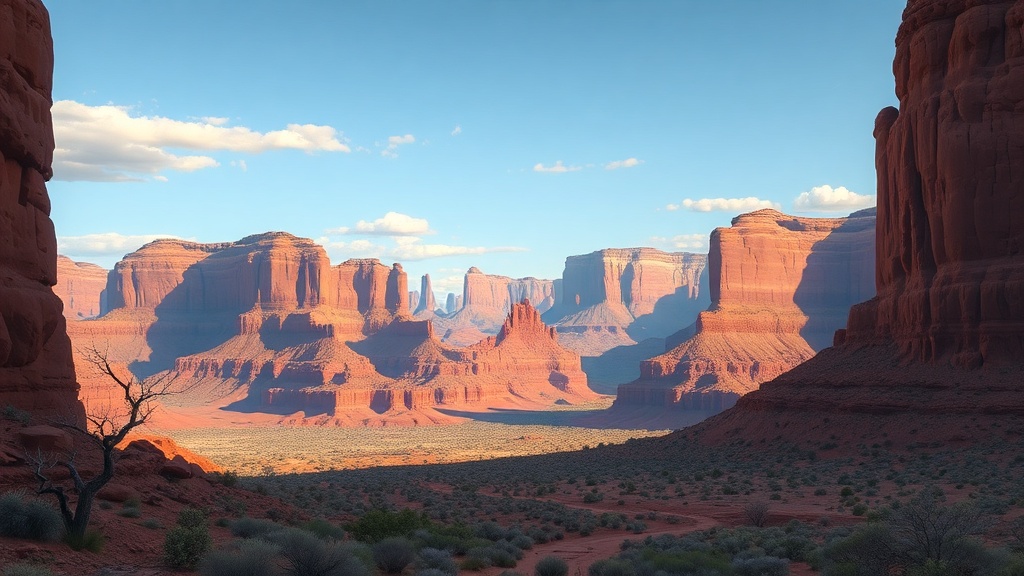
Arrive early or late to avoid the biggest crowds and get the best light for photos.
Devil’s Garden offers a contrasting experience: a well-maintained trail leads to Landscape Arch, one of the longest natural stone spans in the world, and adventurous hikers can continue on a longer loop that passes Double O Arch and dramatic fins.
For a unique labyrinth feel, the Fiery Furnace requires either a permit or a ranger-led excursion, which limits numbers and preserves fragile terrain.
Timing and crowds
Parking fills quickly during peak visitation periods. Plan to start hikes at daybreak or in the late afternoon when temperatures drop and light is softer. If you’re aiming for photography, the warm glow around sunrise and sunset makes the rock formations pop, but those are also the busiest times, so patience pays off. Check with park services for any seasonal access notices or trail restrictions before you go.
Practical packing and safety
– Water: The desert environment dehydrates fast.
Carry ample water — plan for at least a liter per hour of activity depending on temperature and exertion.
– Sun protection: Wide-brim hats, sunscreen, and sunglasses are essential; there’s little shade on many routes.
– Footwear: Sturdy trail shoes with good traction handle slickrock and sandy sections better than casual sneakers.
– Navigation: Trails are marked, but cairns and rock cairns can be subtle. Bring a map or download an offline trail app; cell coverage can be unreliable.
– Weather awareness: Sudden storms can lead to flash flooding in low areas; avoid narrow canyons during storm forecasts.
Leave No Trace and cultural respect
Staying on designated paths preserves fragile cryptobiotic soils and native plants that take decades to recover from trampling. Do not climb on arches or disturb rock art and historic sites. Pack out all trash, and avoid moving or removing natural features. The park and surrounding lands hold cultural significance for Indigenous communities — approach the landscape with respect and leave artifacts in place.
Beyond the park
Moab’s broader landscape offers mountain biking on world-famous Slickrock and access to scenic drives such as the Colorado River corridor and scenic overlooks in nearby Canyonlands. If you want a quieter outdoor experience, look into less-traveled Bureau of Land Management routes and backcountry areas where solitude is easier to find — but always check access rules and obtain any necessary permits.
Final tips
Confirm current trail conditions, permit requirements, and road closures with official park resources before you go. Consider guided hikes or ranger programs to deepen your understanding of geology and human history. With careful planning and respectful behavior, a visit to Moab’s parks becomes not just a series of photos, but a memorable immersion in one of the planet’s most spectacular desert landscapes.