Montana fishing is synonymous with wide-open skies, clear freestone rivers, and trout-rich lakes that draw anglers from everywhere. Whether you’re chasing aggressive browns on a famous tailwater or slipping into a quiet alpine lake for native cutthroat, Montana offers a range of water and techniques that reward preparation and respect for the resource.
Where to go
– Rivers: The Madison, Yellowstone, and Missouri rivers are celebrated for consistent hatches and trophy trout opportunities.
Smaller freestone streams and spring creeks around mountain towns produce technical dry-fly fishing and sight-fishing for wary trout.
– Lakes and reservoirs: Flathead Lake, Canyon Ferry, and Hebgen are popular for lake trout and kokanee, while high-elevation lakes can deliver wild cutthroat and brook trout in scenic solitude.
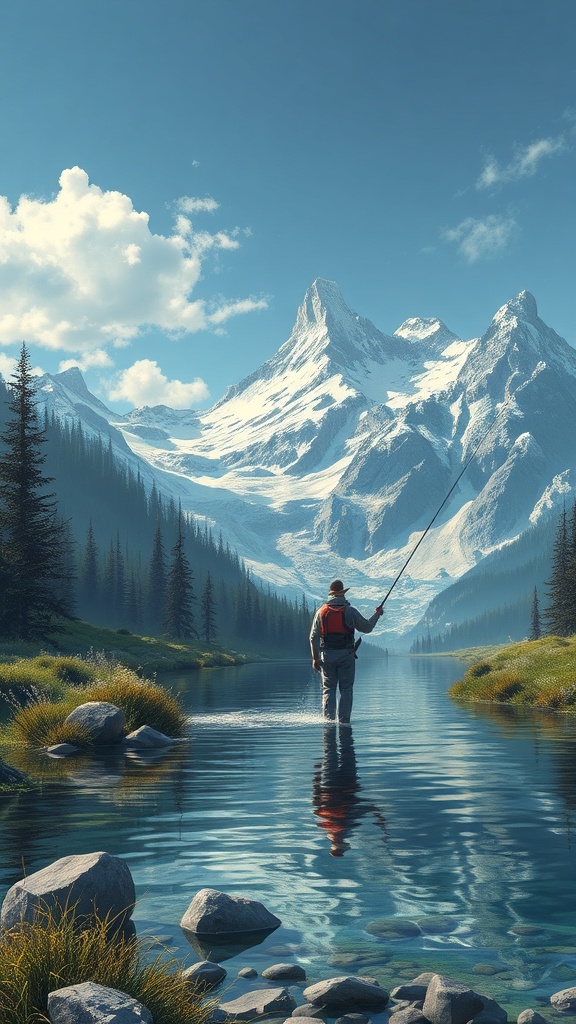
– Local support: Guide services based in regional hubs provide access, instruction, and gear if you’re new to Montana water or targeting large-river tactics.
Gear and tactics
– Rods and lines: For most trout water, 3–6 weight fly rods are versatile. Heavier rods (7–9 weight) suit streamer work, wind, and larger lake species. Use a matching floating or sink-tip line depending on presentation needs.
– Flies: Pack a balanced selection—nymphs like Pheasant Tail and Hare’s Ear, dry patterns such as Elk Hair Caddis and Adams, and streamers including Woolly Buggers and sculpin imitations. Tippet sizes 3X–6X cover most scenarios.
– Techniques: Nymphing often produces the most consistent action; euro-nymphing has become popular for tight presentation on rivers.
Dry-fly fishing rewards careful reading of the water and patience during key hatches. Streamers are the go-to when trout are chasing baitfish or during low-light periods.
Timing and conditions
– Spring runoff can make rivers fast and turbid, shifting trout into slower seams and pocket water. As flows mellow, mayfly and caddis hatches become reliable into warm months, driving surface activity. Cooler weather pushes trout to deeper or faster water where nymphs and streamers work best. Ice safety is essential for winter anglers on frozen lakes.
Conservation and etiquette
– Catch-and-release practices sustain fisheries: use barbless hooks, minimize air exposure, wet hands before handling fish, and revive trout in current before release.
– Anglers must follow licensing and local regulations—seasons, limits, and special restrictions vary by water.
Check official regulations before heading out.
– Preventing invasive species is critical: always CLEAN, DRAIN, and DRY boats and gear between water bodies; dispose of bait and livewell water properly. Respect posted access rules and private property boundaries.
Safety and planning
– River currents are deceptively strong; wear a personal flotation device on floats and consider a wading staff in swift water. Layer clothing and carry a rain shell—mountain weather can change rapidly. Carry a map, phone or radio, and tell someone your plan if heading into remote areas.
Before you go
– Verify license requirements and any water-specific rules. Scout access points and flows online or through local fly shops.
If unfamiliar with the water, consider hiring a guide for a day to learn techniques and fish behavior specific to the river or lake you plan to fish.
Montana’s fishing rewards anglers who prepare, practice good stewardship, and pay close attention to water and insect activity. With thoughtful planning and respect for the resource, days on the water can deliver memorable trout encounters and classic Western scenery.