Wyoming ranches blend wide-open landscapes, generational traditions, and evolving business models. Whether you’re drawn to cattle drives, guest-ranch hospitality, or conservation work, ranch ownership in Wyoming now balances heritage with modern pressures and opportunities.
Ranch life and culture
Ranching culture remains rooted in hands-on work: herd management, fence and water maintenance, and seasonal moves to take advantage of pasture. Community events, county fairs, and cooperative efforts around wildfire preparedness keep rural networks strong.
For newcomers, embracing local norms—respect for land, animals, and neighbors—helps build trust and long-term relationships.
Diversifying revenue streams
Ranch profitability increasingly depends on diversified income. Many operations combine cattle production with one or more of the following:
– Guest and dude ranch experiences: offering authentic horseback riding, pack trips, and lodging draws urban visitors seeking outdoor immersion.
– Hunting and fishing leases: controlled-access recreation provides steady seasonal revenue.
– Agritourism and events: weddings, corporate retreats, and workshops capitalize on scenic backdrops.
– Hay production, custom grazing, and value-added products: selling bales, offering boarding, or marketing grass-fed beef direct to consumers boosts margins.
Conservation and land protection
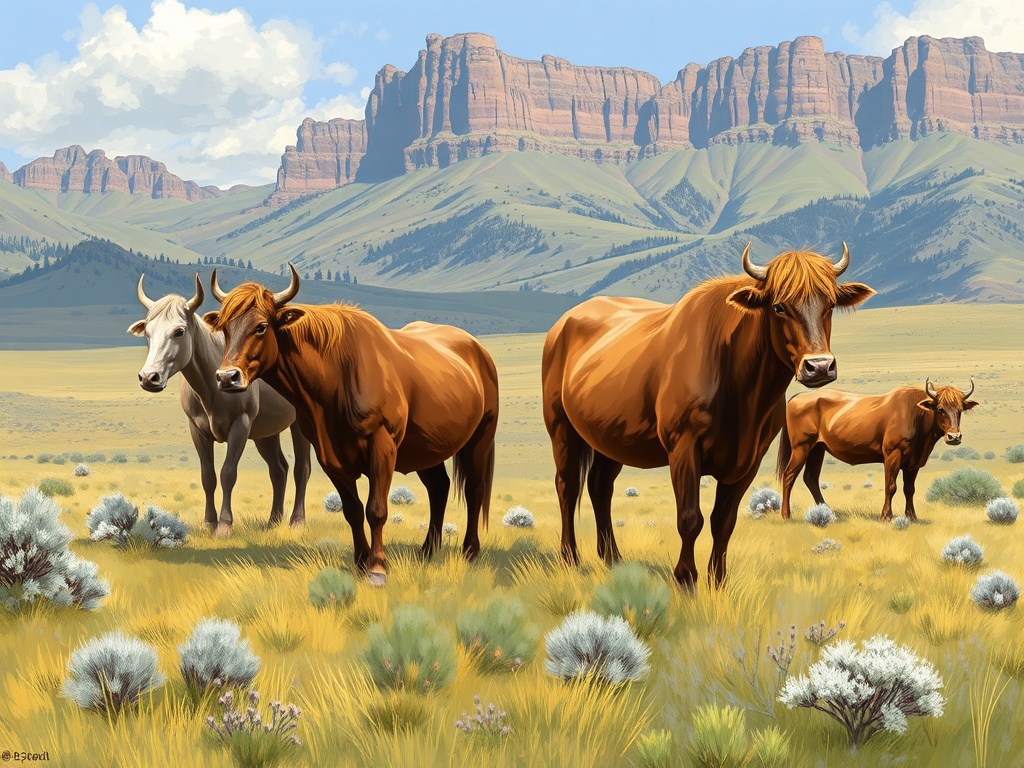
Conservation easements and land trusts are common tools to preserve open space while providing financial benefits to owners. These arrangements can limit development rights while keeping land in production, and they often align with habitat protection efforts for wildlife corridors and migratory species. Many ranches collaborate with conservation organizations on habitat restoration, riparian buffer projects, and invasive species control.
Sustainable grazing and carbon opportunities
Sustainable grazing practices are more than buzzwords. Techniques such as planned rotational grazing and improved pasture management can increase forage resilience, foster soil health, and sequester carbon. Some operations participate in voluntary carbon and ecosystem services markets—though terms vary, so careful vetting and expert guidance are essential before enrolling.
Practical technology for modern ranching
Technology adoption is rising where it makes everyday chores easier and reduces costs:
– Drones and remote sensing for fence inspections, herd monitoring, and mapping.
– Solar-powered pumps and off-grid energy systems to improve water access and lower fuel expenses.
– Livestock tracking with low-cost GPS tags to monitor grazing patterns and animal health.
These tools complement, rather than replace, skilled hands-on labor.
Key considerations for buyers and owners
Prospective ranch buyers should evaluate:
– Water rights and access: Wyoming follows water allocation systems that affect irrigation and stock use—confirm entitlements and infrastructure.
– Grazing capacity: assess range condition, stocking rates, and forage variability across seasons.
– Infrastructure: fences, corrals, roads, and water systems can require substantial investment.
– Regulatory environment: land use, wildlife interactions, and permitting for commercial activities all influence operations.
Consult local appraisers, legal experts, and extension agents before completing a purchase or major change.
Why Wyoming remains appealing
Open skies, diverse ecosystems, and a tradition of stewardship continue to draw professionals and hobbyists to Wyoming ranches.
For many, ranching offers a tangible connection to land and a lifestyle where careful management can produce ecological, cultural, and economic value.
Whether maintaining a multigenerational cattle ranch or launching a boutique guest operation, success hinges on blending traditional skills with smart diversification, conservation-minded management, and selective technology adoption.