Wyoming: Wild Landscapes, Quiet Adventure, and Growing Opportunity
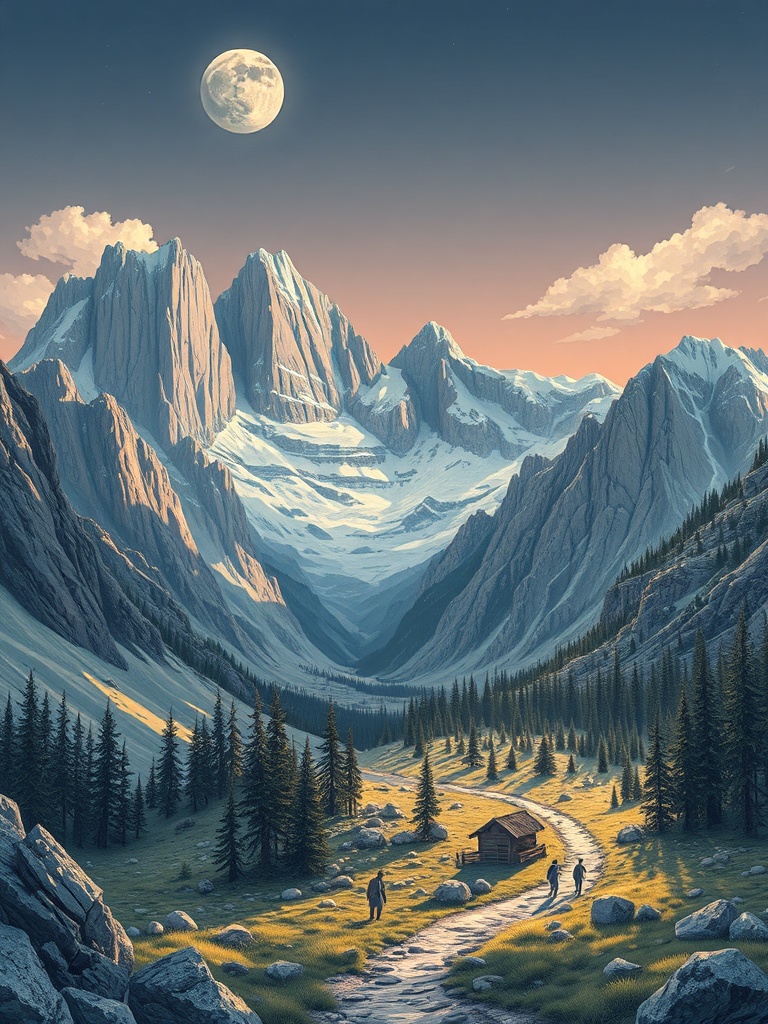
Wide-open skies, rugged mountain ranges, and vast sagebrush plains define Wyoming’s appeal. Whether you’re drawn to iconic national parks, backcountry solitude, or emerging energy opportunities, Wyoming offers experiences that stay with you long after you leave.
Explore the Parks and Public Lands
Yellowstone and Grand Teton anchor Wyoming’s reputation for world-class scenery and wildlife viewing. Beyond the well-traveled routes, the state’s national forests, wilderness areas, and BLM lands deliver quieter trails, alpine lakes, and dramatic vistas. For visitors seeking fewer crowds, consider lesser-known gems such as Red Desert expanses, wind-sculpted badlands, and high-country basins that showcase the state’s geological diversity. Packing layers, being bear-aware in mountain regions, and checking trail conditions help ensure a safer outdoor experience.
Wildlife Watching with Respect
Wyoming is a stronghold for species like elk, bison, pronghorn, and sage grouse.
Observing these animals from a respectful distance preserves both your safety and the animals’ natural behaviors. Avoid feeding wildlife, use binoculars or a telephoto lens for close views, and follow local guidelines in migration corridors and calving areas. Winter and spring can be sensitive times for some species; staying informed about seasonal closures helps protect wildlife populations.
Outdoor Recreation for Every Ability
From family-friendly day hikes to multi-day backpacking routes and world-class fly-fishing, Wyoming accommodates a wide range of skill levels. Road cycling and scenic drives highlight the state’s open landscape, while downhill and backcountry skiing draw snow lovers to higher elevations. For a low-impact adventure, try dispersed camping on public lands—pack out what you pack in and practice Leave No Trace principles to keep campgrounds pristine.
The Energy Transition and Local Economies
Energy production remains an important part of Wyoming’s economy, and the state is uniquely positioned for a shift toward renewable resources. Strong wind corridors and broad, sunny basins make wind and solar development attractive alongside existing energy infrastructure. This transition can open new economic avenues for rural communities, including jobs in construction, operations, and grid modernization. Thoughtful planning and community engagement are key to balancing energy development with ranching, wildlife habitat, and scenic values.
Cultural and Ranching Heritage
Ranching heritage shapes much of Wyoming’s identity. Rodeos, historic homesteads, and small-town main streets offer authentic cultural experiences.
Local producers provide high-quality beef, artisanal foods, and handcrafted goods that reflect the land’s character.
Visiting farmers’ markets and seasonal fairs supports local economies and connects visitors to the people who steward the landscape.
Travel Tips and Responsible Choices
Plan for long distances between services and limited cell coverage in remote areas.
Fill up on gas when you can, bring a physical map as a backup, and carry extra water and emergency supplies for remote drives.
Respect private property—ask permission before crossing gates on working ranches—and follow fire restrictions during dry seasons.
Supporting locally owned lodging, guides, and outfitters keeps tourism dollars in the community.
Wyoming’s blend of untouched landscapes, resilient wildlife, and evolving economic paths makes it a compelling destination for nature lovers and those interested in energy and land stewardship. Approach the state with curiosity and care, and you’ll find rich experiences that reflect both the wild spirit and practical realities of the American West.