Yellowstone Guide: geothermal wonders, wildlife safety, and practical visit tips
Yellowstone is one of the planet’s most dynamic landscapes, where steaming geysers, bubbling hot springs, and wide-open valleys meet large predators and roaming herds. Whether planning a first trip or returning to savor more, understanding the park’s geothermal and wildlife realities will make the experience safer and more rewarding.
Geothermal features to know
The park sits atop a powerful hydrothermal system.
Geysers like Old Faithful are reliable attractions, but the park’s real show includes countless hot springs, fumaroles, mud pots, and sinter terraces. These features are fragile and dangerous: thin crust and scalding temperatures mean walking off boardwalks or trails can be fatal. Respect posted signs, stay on boardwalks in thermal basins, and never throw objects into features—doing so damages natural behavior and can permanently alter or destroy them.
Wildlife viewing and safety
Yellowstone’s animals are a primary draw, but close encounters are risky. Maintain safe distances—at least 25 yards from most wildlife and at least 100 yards from bears and wolves.
Use a telephoto or zoom lens for photographs and avoid feeding or approaching animals. Bison may appear calm but can charge with little warning; elk and moose can also become aggressive during mating or when with young.
Carry bear spray and know how to use it; keep it accessible (not in a backpack) whenever hiking. Make noise on trails to avoid surprising animals, hike in groups when possible, and keep dogs leashed in areas where allowed—pets are restricted from trails and thermal boardwalks for their safety and the protection of wildlife.
Practical tips for visiting
– Plan ahead: check official park alerts for road conditions, closures, and wildlife activity. Cell coverage is limited inside the park, so download maps and information before arrival.
– Drive slowly: wildlife often cross roads and can cause traffic delays.
Pull over only in designated turnout areas and never block traffic to watch animals.
– Stay on marked routes: many sensitive habitats and hydrothermal areas are easy to damage.
Boardwalks protect both visitors and fragile thermal features.
– Pack for variable weather: temperatures and conditions can change quickly; layers, rain gear, and sturdy footwear are essential.
– Leave no trace: pack out what you bring, avoid disturbing vegetation, and respect campground and picnic-area rules.
Photography and cultural awareness
Photographing geysers, wildlife, and the park’s dramatic landscapes can be deeply satisfying. Use early morning or late evening light for the best color and contrast, and bring a tripod for low-light shots. Respect cultural sites and private property near the park; several tribes have longstanding connections to the land—be mindful of signage and restrictions related to those areas.
Conservation realities
The park is actively monitored by scientists studying geothermal systems, wildlife populations, and vegetation. Natural processes, human impact, and broader environmental changes influence everything from geyser behavior to species distribution. Visitors who follow park rules and practice low-impact recreation help preserve these natural systems for future visitors.
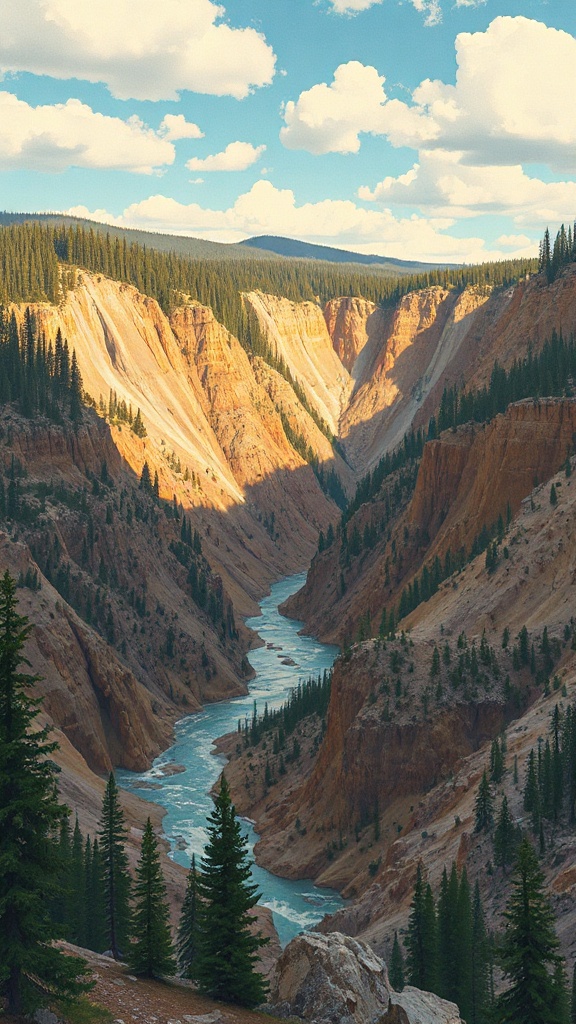
Yellowstone delivers unforgettable moments if approached with respect and preparation.
Keep safety top of mind, protect the park’s features by staying on designated paths, and enjoy the thrill of encountering one of North America’s most extraordinary wild places. Plan carefully, stay informed, and leave the landscape as wild as you found it.