Wyoming Ranches: What Draws People to Wide-Open Spaces and How They Thrive
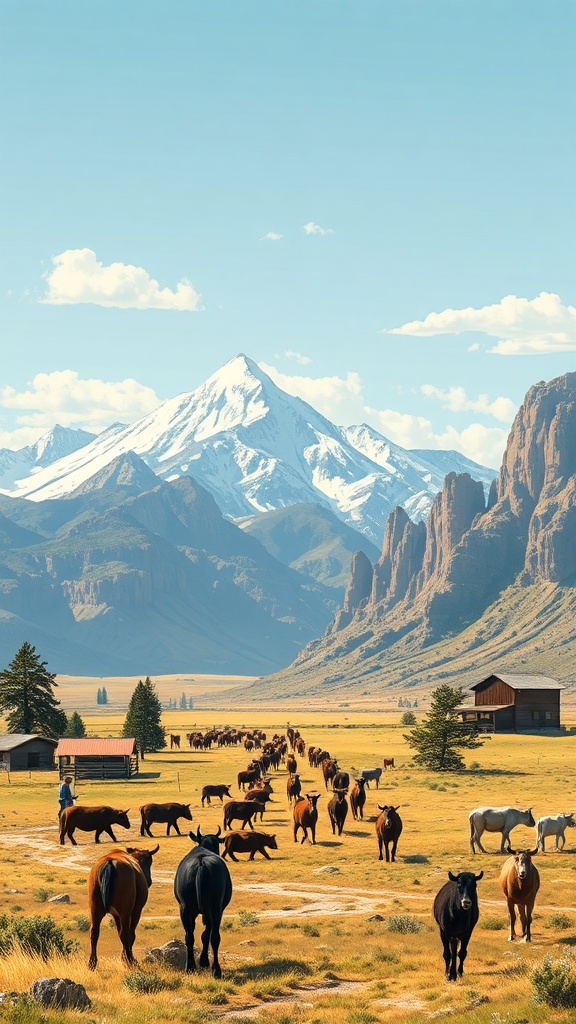
Wyoming’s ranches capture imagination with sweeping sagebrush flats, rugged mountain backdrops, and a way of life that balances tradition with practicality. Whether you’re dreaming of a working cattle operation, scouting a dude ranch vacation, or considering ranch real estate, understanding what makes Wyoming ranches distinctive helps you make smarter choices.
Why Wyoming ranches stand out
– Scenic diversity: From high alpine meadows to rolling plains, Wyoming offers varied terrain that supports different grazing systems and recreational opportunities.
Many ranches include riparian corridors and patches of timber, which boost wildlife habitat and aesthetic value.
– Open-range culture: Long-standing grazing practices and grazing allotments on public lands are part of the regional fabric. These arrangements influence stocking rates, seasonal grazing patterns, and the management of water and fences.
– Outdoor lifestyle: Horseback riding, hunting, fly-fishing, and backcountry access are woven into ranch life. Ranches that combine productive land with outdoor amenities often command higher interest for both buyers and guests.
Key operational considerations
– Water and access: Reliable water sources and legal water rights are essential.
Springs, creeks, ponds, and irrigation infrastructure determine carrying capacity and forage management. Road access and proximity to markets or towns affect logistics and lifestyle.
– Infrastructure: Functional fencing, working corrals, barns, and livestock handling facilities reduce labor and stress during working seasons.
Many successful operations invest in improved handling equipment and low-stress livestock facilities to increase efficiency.
– Grazing management: Rotational grazing, deferred grazing, and rest periods help maintain rangeland health and forage productivity. Adaptive grazing strategies respond to annual variability in precipitation and forage growth.
Conservation and stewardship
Conservation easements and voluntary stewardship practices are common tools for protecting open space while providing tax advantages and long-term certainty.
Ranches that prioritize soil health, riparian restoration, and native grassland recovery support greater biodiversity and often gain community and market recognition. Collaborations with land trusts, state agencies, or federal programs can provide technical and financial assistance for conservation projects.
Working ranches vs. dude ranches
A working ranch focuses primarily on livestock production and land stewardship. Dude ranches, or guest ranches, combine hospitality with ranch activities—horseback rides, cattle drives, and guided hunts—creating diversified income streams. Some operations blend both models, using guest revenue to support conservation and infrastructure improvements on the working side.
Buying or investing in a Wyoming ranch
Prospective buyers should conduct thorough due diligence. Key items include title and water rights research, soil and forage assessments, an inspection of improvements, and a review of grazing leases or allotments. Local brokers, ranch managers, and conservation organizations offer invaluable insights into regulatory nuances and community expectations.
Living and working on a ranch
Ranch life rewards resilience and practical problem-solving. Skills in animal husbandry, equipment maintenance, and land management are essential. For newcomers, seasonal work or partnering with experienced operators provides a practical pathway to learning the rhythms of ranching while assessing long-term fit.
Final thoughts
Wyoming ranches blend economic purpose with lifestyle and conservation value. Whether you’re looking for a productive cattle operation, a scenic retreat, or a hospitality-focused guest ranch, the best properties align natural resources, infrastructure, and a clear management plan.
Start by identifying priorities—water, access, livestock goals, or recreation—and build a team of local experts to guide exploration and acquisition. The right ranch can be a lasting investment in land, heritage, and a way of life that remains compelling across generations.