Colorado rewards visitors with dramatic landscapes, active outdoor culture, and easy access to mountains from urban centers.
Whether chasing alpine views, sand dunes, ancient ruins, or world-class ski slopes, planning smartly makes the difference between a memorable trip and a weather- or altitude-driven scramble.
Where to go
– Rocky Mountain National Park: Iconic high-country scenery with accessible trailheads, alpine lakes, and prolific wildlife.
Expect changing conditions above tree line and plan for shorter hiking distances at altitude.
– Great Sand Dunes: A unique contrast to the high peaks—sand sledding, stargazing, and wet-season Medano Creek alongside sweeping dune fields.
– Mesa Verde & Black Canyon of the Gunnison: Cultural history and dramatic river-carved cliffs provide different flavors of outdoor exploration.
– Front Range hotspots: Denver, Colorado Springs, and nearby Garden of the Gods are great bases for shorter day trips and scenic drives.
– San Juan Mountains and Maroon Bells: Epic backcountry access, particularly appealing to hikers and photographers seeking jagged peaks and reflective alpine lakes.
Practical planning tips
– Acclimatize: Altitude affects everyone differently. Start with lower-elevation activities, hydrate, avoid excessive alcohol, and allow a day or two before tackling high passes or strenuous hikes. Recognize symptoms of altitude sickness—headache, nausea, dizziness—and descend if they worsen.
– Weather-ready gear: Mountain weather can swing from sun to snow within hours. Pack layers, windproof shells, and sun protection.
Night temperatures can drop sharply even after warm daytime highs.
– Permits and reservations: Popular areas may require timed-entry permits or backcountry permits. Check official park websites or recreation portals before heading out to avoid surprises.
– Road and vehicle considerations: High mountain passes and winter storms can close roads or require traction devices. Check the state transportation department for current road conditions and be prepared for slower travel times on winding, elevation-changing routes.
– Leave No Trace: Preserve fragile alpine ecosystems by staying on durable surfaces, packing out waste, and keeping a safe distance from wildlife. Colorado’s trails are fragile and recover slowly.
Wildlife and safety
Elk, bighorn sheep, deer, and black bears are common in many areas. Wildlife encounters can be spectacular—keep at least 25 yards distance from large mammals and never feed them. For multi-day trips, use bear-resistant storage where provided and follow campground rules.
Seasonal considerations
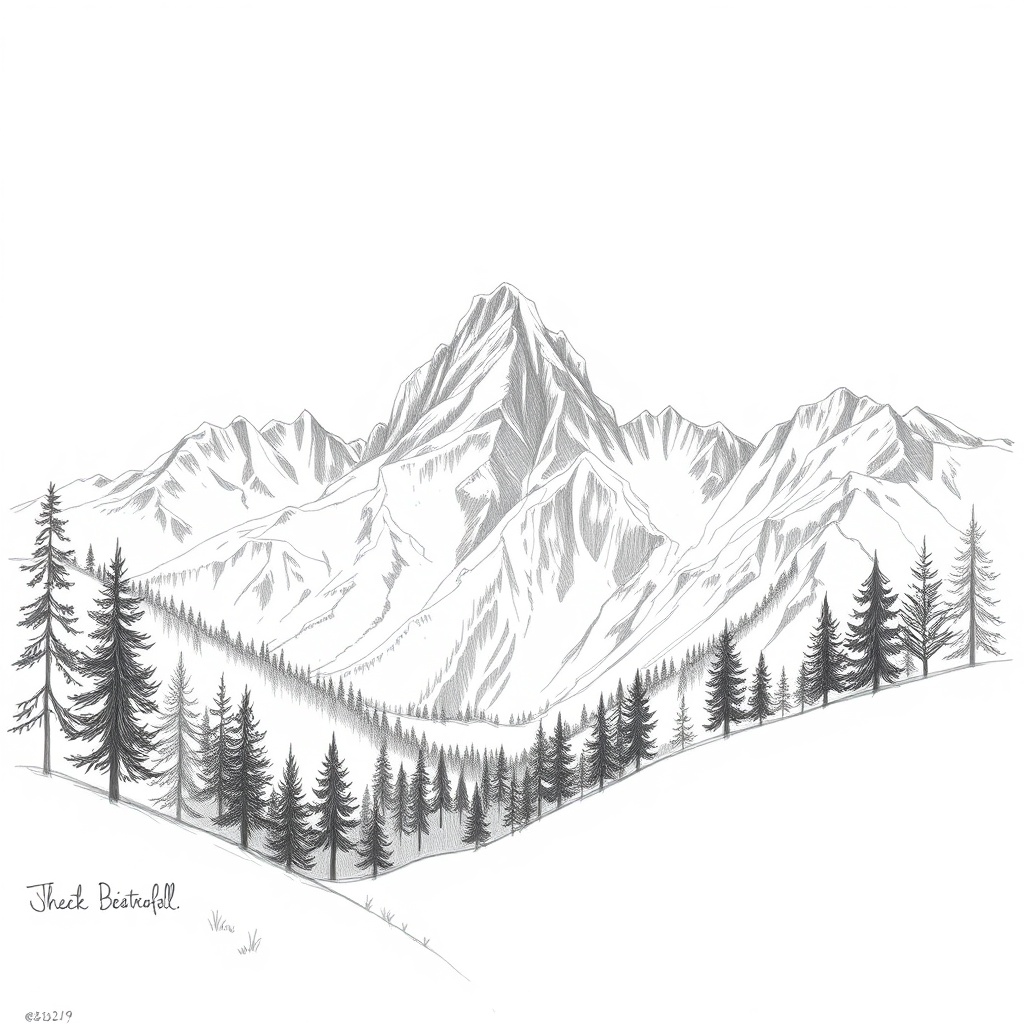
– Spring and fall bring variable conditions: late snowpack or early storms can affect trails and roads. Some high-elevation routes won’t be reliably snow-free until late summer.
– Summer provides longer daylight and abundant wildflower displays, but it also concentrates visitors on popular trails.
– Winter access may be limited to winter recreation only; avalanches are a real hazard in steep, snow-covered terrain. Carry appropriate avalanche gear and training for backcountry travel.
Sustainable travel tips
Support local communities by shopping locally, choosing established lodging, and parking ethically. Consider using public transit or shuttle services where available to reduce congestion around trailheads and popular attractions.
Colorado’s combination of accessible wilderness and community-focused outdoor culture makes for unforgettable trips when approached with preparation and respect for the land. With sensible planning—attending to altitude, weather, permits, and wildlife—anyone can enjoy the state’s diverse landscapes safely and responsibly.