Wyoming Ranches: Balancing Heritage, Wildlife, and Modern Sustainability
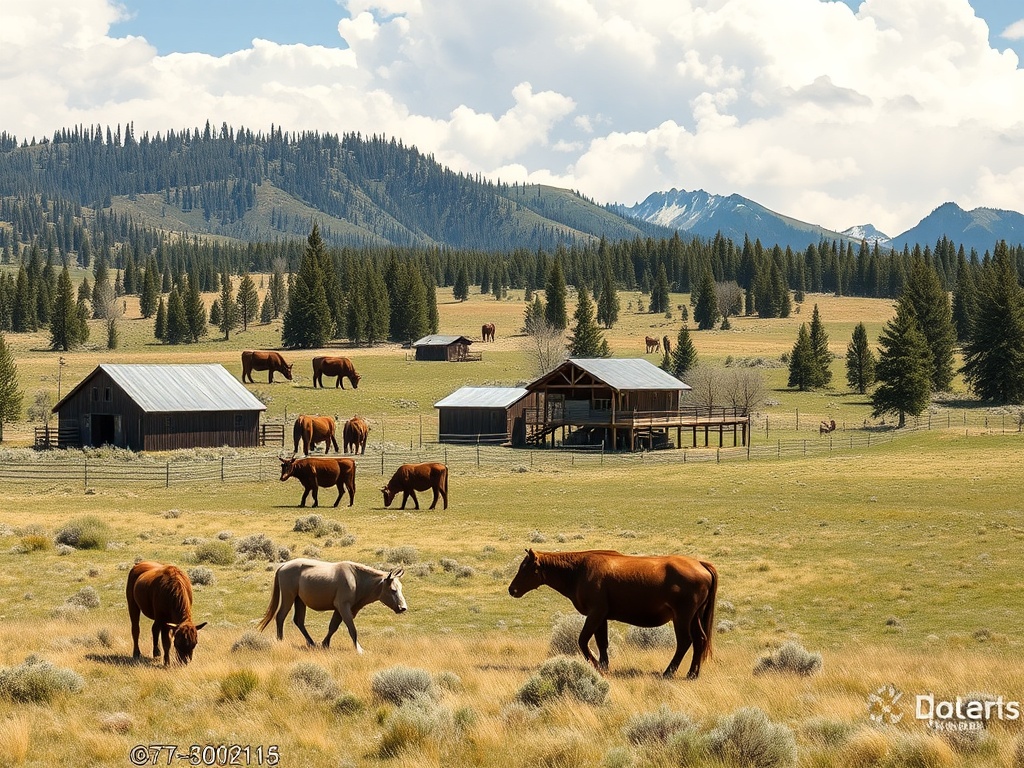
Wyoming ranches capture imaginations for their wide-open landscapes, rugged lifestyle, and role as stewards of working lands. While cattle and horse operations remain central, ranches across the state increasingly blend tradition with forward-looking practices that protect wildlife habitat, conserve water, and create resilient revenue streams.
Working landscapes and conservation
Many Wyoming ranches exist within ecosystems critical for elk, mule deer, sage-grouse, pronghorn, and migrating birds. Ranchers and conservation partners often work together through voluntary conservation easements, habitat restoration, and targeted grazing strategies that support both livestock and native species. Maintaining native grasslands, avoiding unnecessary fencing in migration corridors, and restoring riparian areas are effective ways ranch owners preserve biodiversity while protecting their bottom line.
Water stewardship and wildfire resilience
Water management is a top priority.
Practical steps such as improving irrigation efficiency, repairing or replacing leaking infrastructure, and creating off-stream watering points reduce stress on streams and riparian zones. Proactive treatments—like strategic grazing regimes, mechanical fuels reduction, and targeted community coordination—help reduce wildfire risk and improve long-term rangeland health.
Many ranches participate in local watershed groups and cooperative wildfire mitigation programs to amplify results across landscapes.
Diversification and the ranch economy
To remain economically viable, ranches often diversify beyond traditional livestock production. Agritourism—ranch stays, guided hunts, fishing access, and guest experiences—offers supplemental income while educating visitors about ranch life and land stewardship. Value-added enterprises such as direct-to-consumer beef sales, on-site butchery partnerships, and specialty forage crops can improve margins. Thoughtful diversification respects working-ranch priorities and keeps agricultural operations intact across generations.
Hands-on management: grazing and soil health
Adaptive grazing management is key to maintaining forage productivity and building resilient soils. Rotational grazing, adjusting stocking rates to seasonal conditions, and monitoring plant cover encourage root growth and carbon sequestration.
Healthier soils retain moisture better, support diverse plant communities, and reduce erosion—benefits that improve forage availability and long-term viability for ranching operations.
Tips for visitors and prospective buyers
– Respect private property: Many ranches are working operations with livestock and equipment; follow posted access rules and obtain permission before entering.
– Learn the landscape: Knowing local seasonal conditions, weather patterns, and wildlife considerations makes visits safer and more rewarding.
– Evaluate water and fencing infrastructure: For buyers, functioning water systems and thoughtfully placed fencing are major assets that affect management costs.
– Connect with local resources: County extension offices, conservation districts, and real estate brokers with ranch experience can provide valuable regional insight.
– Consider legacy planning: Clear succession plans, conservation options, and estate tools help preserve ranch integrity across generations.
Why it matters
Wyoming ranches are more than economic units; they are cultural touchstones and critical components of western ecosystems. By combining time-honored ranching practices with modern conservation and business strategies, many operations are maintaining working lands for livestock, wildlife, and communities. Whether visiting a dude ranch, buying grazing land, or supporting local beef producers, engaging with these working landscapes helps sustain both heritage and habitat.