Wyoming ranches capture a rare combination of wide-open skies, rugged landscapes, and a living heritage of livestock production. Whether you’re dreaming of a guest ranch where visitors ride into the sunset, a working cattle operation, or a conservation-minded property, Wyoming offers unique opportunities—along with specific challenges buyers and operators should understand.
Why Wyoming ranches stand out
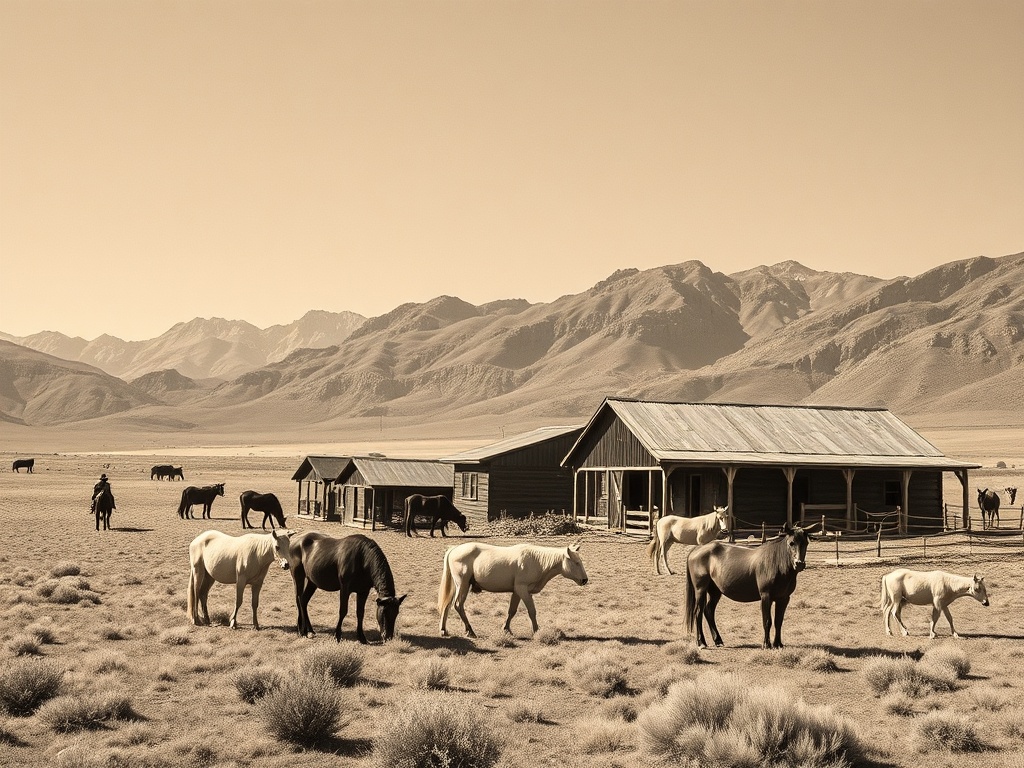
Wyoming’s vast public lands, varied topography, and strong ranching culture create an environment where scale and authenticity matter. Many ranches border or include access to public grazing allotments managed by federal agencies, which can be essential to seasonal herd movement and forage management.
High-elevation pastures, riparian corridors with trout streams, and sagebrush-steppe ecosystems give properties significant natural value for livestock, wildlife, and recreation.
Key considerations for buyers and operators
– Water and water rights: Reliable water sources define ranch value.
Confirm surface and groundwater rights, ditch shares, and irrigation infrastructure. Seasonal snowpack and watershed health influence long-term availability, so evaluate storage, diversion permits, and maintenance responsibilities.
– Grazing and forage capacity: Look at carrying capacity, pasture rotation options, and forage species. Implementing rotational grazing or adaptive grazing plans supports soil health, increases resilience to drought, and often improves livestock performance.
– Access and infrastructure: Roads, fences, corrals, barns, and handling facilities impact daily operations and guest experiences. Remote properties may require significant investment to bring utilities or improve access.
– Regulatory framework: Properties adjacent to public lands can offer expanded grazing but also require compliance with federal and state leasing rules. Conservation easements and working-land programs offer tax and stewardship incentives—understand restrictions before committing.
– Wildlife and habitat: Predation, migratory corridors, and big-game winter ranges affect livestock management and hunting opportunities. Strategic fencing and nonlethal deterrents can reduce conflicts while preserving habitat value.
Opportunities to diversify income
Many ranches now blend traditional livestock enterprises with tourism and value-added production to create diversified, resilient revenue streams:
– Guest and dude ranch operations attract riders, anglers, and those seeking rural retreats. Quality lodging, guided experiences, and seasonal packages increase occupancy and off-season income.
– Niche beef markets—grass-finished, organic, or regenerative-branded beef—can command premium prices when paired with transparent practices and direct marketing.
– Conservation programs and carbon initiatives can provide payments for practices that sequester carbon, restore wetlands, or preserve native grasslands.
– Events, filming, and hunting leases offer additional revenue without long-term changes to land use.
Sustainable practices that add value
Adopting regenerative ranching techniques benefits the land and enhances marketability. Practices such as planned rotational grazing, riparian restoration, prescribed fire where appropriate, and native species reseeding build ecological resilience.
Improving soil health increases forage production and can reduce input costs over time—an attractive narrative for buyers and guests alike.
Working with local experts
Engage local real estate brokers, range management specialists, and attorneys experienced in water and grazing law. Conservation organizations and extension services can provide guidance on habitat projects and technical assistance. Hands-on visits during different seasons will reveal how a property performs under snow, drought, and peak forage conditions.
Wyoming ranches offer a living landscape where stewardship, adaptability, and a clear business plan make the difference between a charming property and a thriving enterprise. With careful due diligence and a focus on sustainable practices, ranch ownership can be both rewarding and profitable while preserving the open-country heritage many seek.