Montana fishing remains a top draw for anglers chasing wild trout, open-water bass, and solitude among big-sky landscapes. Whether heading for famed tailwaters or seeking quiet high-country creeks, knowing where to go, what to bring, and how to fish responsibly makes a big difference in success and long-term conservation.
Where to go
Popular river systems attract anglers for their reliable trout populations and scenic float opportunities. Tailwaters below major dams often offer consistent flows and prolific bug life, while spring creeks and freestone streams provide prettier water and technical fishing.
For those who prefer lakes, large natural reservoirs and backcountry alpine lakes each present their own tactics—boat and bank anglers alike can find hungry fish if they match presentation to conditions.
Gear and tactics
Fly fishing dominates trout waters, but spin anglers and those using bait also have great results. Typical trout fly setups work well: a 7–9 foot rod matched to 4–6 weight lines handles most river situations.
For smaller streams, step down the rod weight and use lighter tippets for delicate presentations. Key flies and patterns include:
– Nymphs: Pheasant Tail, Hare’s Ear, and beadhead midge/nymph patterns for below-the-surface feeding.
– Dry flies: Elk Hair Caddis, Parachute Adams, and terrestrials like ants and beetles during prolific surface feeding.
– Streamers: Woolly Buggers and zonker-style flies for aggressive trout and low-light conditions.
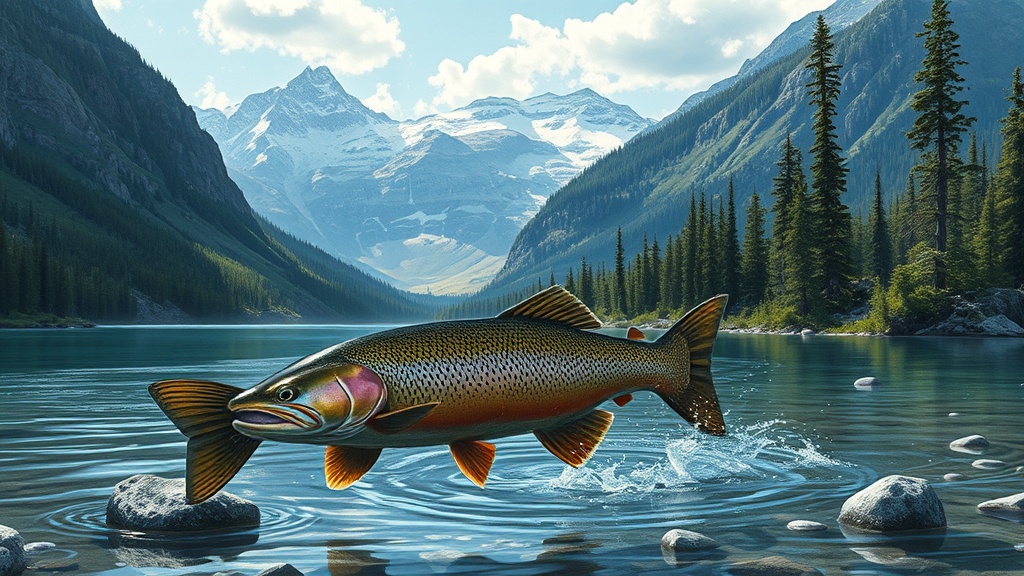
A dry-dropper rig remains one of the most productive approaches—sight-fish with a dry fly and present a nymph or soft-hackle below. For stillwater fishing, shorter leaders and heavier flies or sinking lines help get deeper presentations. Match fly size and color to local hatch activity and water clarity.
Conservation and regulations
Montana’s fish populations are managed with a mix of catch-and-release sections, tackle restrictions, and special regulations to protect native trout and maintain fishery health.
Always carry a valid fishing license and check local regulations before you launch—rules can vary by stream, section, and type of water. Anglers play a direct role in conservation: practice barbless hooks or pin barbs down, use rubber nets that minimize harm, handle fish with wet hands, and release quickly to maximize survival.
Aquatic invasive species prevention is essential.
Clean, drain, and dry boats, waders, and gear between waters.
Remove mud, plants, and live bait before transport and consider inspecting felt soles or using rubber-soled wading boots to reduce spread of organisms.
Safety and etiquette
Wading safety should never be overlooked.
Use a wading staff on faster water, wear an appropriate personal flotation device in deeper or swifter currents, and avoid wading alone in unfamiliar rivers. Be aware of changing flows and weather; mountain streams can rise rapidly.
Respect private property, pack out trash, and avoid crowding other anglers—moving a short distance downstream often restores a peaceful fishing experience.
Hiring a local guide or visiting a reputable fly shop can accelerate learning and improve success, especially for newcomers or those unfamiliar with specific fisheries.
Guides can offer access to lesser-known stretches, up-to-date hatch information, and hands-on instruction to sharpen technique.
Montana fishing offers everything from technical dry-fly challenges on pocket water to long drift boat days on wide rivers. By matching gear and presentation to the water, staying informed about regulations, and prioritizing fish welfare, anglers can enjoy productive days on the water while helping preserve these fisheries for others to enjoy. Check local resources before heading out, plan for safety, and leave each spot better than it was found.