Utah’s Mighty Five: A Practical Guide to Exploring the State’s National Parks
Utah is synonymous with dramatic redrock landscapes, photogenic hoodoos, and some of the best hiking and canyoneering in the country. The state’s five national parks — often called the Mighty Five — offer distinct landscapes and experiences within relatively short driving distances, making Utah a prime destination for multi-park road trips or focused outdoor getaways.
What each park offers
– Zion National Park: Known for towering sandstone cliffs and canyon narrows, Zion delivers iconic hikes and a dramatic canyon experience. Popular routes range from rim trails to slot-canyon river walks.
– Bryce Canyon National Park: Famous for its amphitheater of hoodoos, Bryce offers sunrise and sunset viewpoints that illuminate the spire-like formations in fiery color.
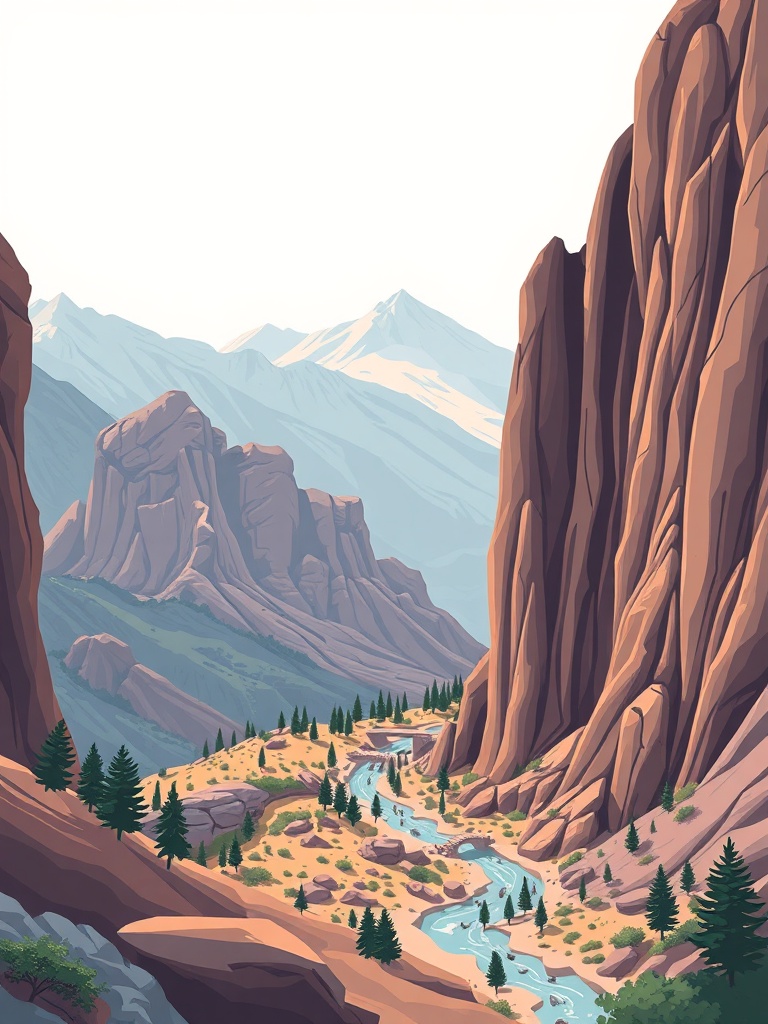
– Arches National Park: Home to concentrated natural sandstone arches, this park is ideal for short hikes to iconic formations and photography sessions during golden hours.
– Canyonlands National Park: A vast, rugged landscape carved by the Green and Colorado Rivers, Canyonlands has distinct districts offering sweeping overlooks, backcountry routes, and technical routes for experienced adventurers.
– Capitol Reef National Park: Quieter than some neighbors, Capitol Reef rewards visitors with sandstone domes, historic orchards, and scenic drives along less-crowded roads.
Planning and logistics
– Timing and crowds: Popular areas can get busy, especially on long weekends and holidays. For a quieter experience, explore lesser-known trails or visit popular trailheads early in the day.
– Permits and reservations: Some high-demand hikes and activities require permits or timed-entry passes.
Check official park resources before your trip to secure any necessary permits and to review current rules.
– Where to stay: Gateway towns like Springdale, Moab, and nearby communities provide lodging, dining, and outfitters. Consider splitting stays between two hubs to minimize daily driving time.
Safety and gear
– Water and sun protection: Desert environments are dry and can be deceptively strenuous. Carry ample water, sun protection, and electrolyte replacements.
Know your limits and turn back if conditions deteriorate.
– Navigation and preparation: Cell service can be limited. Carry offline maps, a paper map, and a physical compass if venturing into backcountry or remote areas. Tell someone your plan and expected return time.
– Seasonal considerations: Conditions change with weather — flash floods, heat, and icy winter trails can impact routes.
Verify trail conditions and seasonal closures before heading out.
Responsible travel and sustainability
– Leave no trace: Pack out trash, stay on established trails, and avoid disturbing fragile soils and cryptobiotic crusts. Small actions help preserve these landscapes for future visitors.
– Support local economies: Choose local guides, outfitters, and restaurants to keep tourism benefits within nearby communities. Bookings with local businesses often enhance safety and enjoyment through expert knowledge.
– Alternate experiences: For a different pace, explore state parks, scenic byways, or lesser-known public lands that offer solitude and unique geology without the same level of visitation.
Utah’s parks are a study in contrasts — from narrow river-carved canyons to expansive plateaus and fragile hoodoos. With careful planning, respect for the landscape, and a willingness to explore beyond the obvious overlooks, visitors can experience the full range of wonders that make Utah a must-visit destination for outdoor lovers and photographers alike. Check official park sources and local outfitters for the most current access, permit, and safety information before you go.