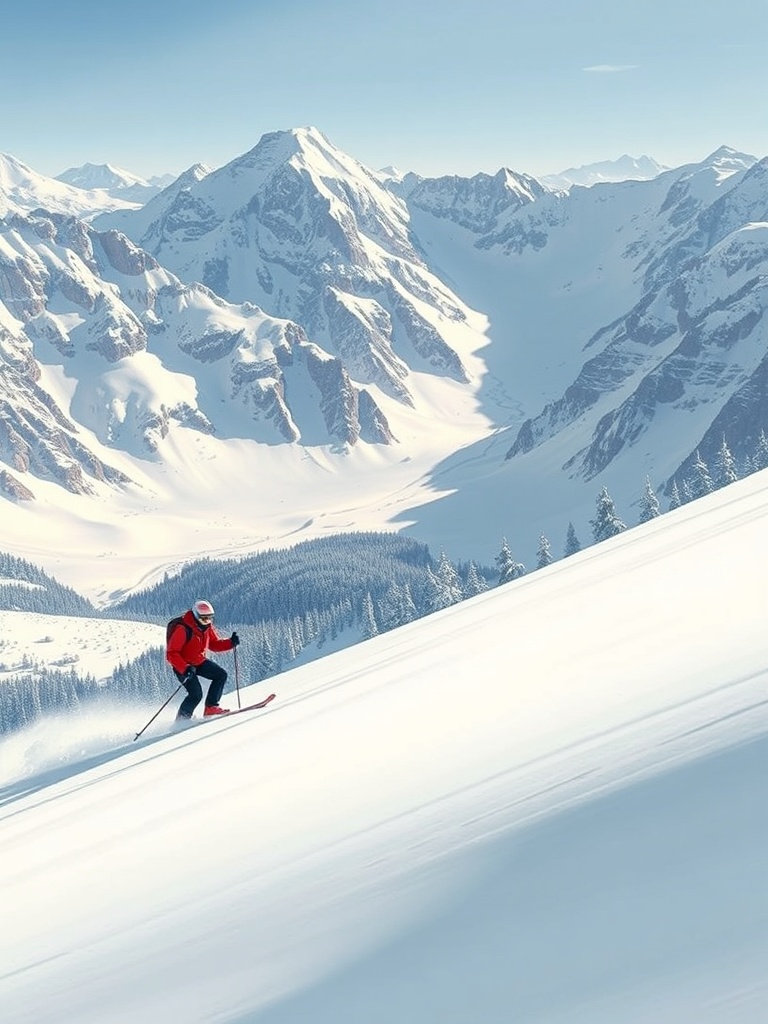
Utah skiing remains a bucket-list experience for anyone chasing dry powder, varied terrain, and quick access from a major airport. The mountain range that frames the Salt Lake Valley delivers consistent snowfall and an almost-specialized culture around skiing and snowboarding — from world-class steeps to mellow groomers and intimate, old-school ski lodges.
What makes Utah special
– Legendary snow quality: The region is known for unusually dry, light powder because of the lake-effect and the cold, continental climate. That powder allows for effortless turns and deep float that draws powder hounds from around the world.
– Compact resort network: Many premier resorts sit within easy driving distance of one another and from the Salt Lake City airport, making multi-resort itineraries and day trips simple. It’s easy to sample a variety of terrain without long transfers.
– Terrain variety: There’s something for everyone — steep chutes and cliff bands for experts, wide cruisers and groomers for intermediates, and dedicated learning areas and ski schools for beginners.
Some resorts maintain a skier-only policy, which alters the vibe and terrain use.
Choosing the right resort
– For steep, technical terrain: Seek out the resorts known for sustained pitches, cliff features, and high-access bowls. Guided options and lift-access big-mountain areas offer expert challenges.
– For families and gentler terrain: Look for resorts with strong beginner infrastructure, progressive learning zones, and childcare or family activity programs.
– For a luxury experience: Resorts with ski-in/ski-out lodging, upscale dining, and concierge services deliver an elevated stay.
– For after-dark fun: A few resorts and nearby towns offer night skiing and lively après scenes. Consider local restaurants and live-music venues to round out the day.
Backcountry and guided options
The Wasatch and surrounding ranges provide excellent backcountry skiing, but terrain that looks fun can be hazardous. Always check the local avalanche forecast (the Utah Avalanche Center is a central resource), carry beacon/shovel/probe, and consider hiring a certified guide if you’re unfamiliar with route finding or avalanche terrain. Snowcat skiing and guided powder days are available for those who want extreme terrain without managing route finding or avy risk.
Practical tips
– Altitude and acclimation: Give your body a lesson day and hydrate well.
High-elevation skiing can hit even fit visitors unexpectedly.
– Gear and rentals: Modern rental shops near the airport and resort bases offer high-performance skis and boards. Demo wide powder skis if you plan to chase deep snow.
– Saving on lift tickets: Book lift access early through official resort channels or multi-resort passes, and look for midweek deals or lesson-package bundles.
– Transportation and lodging: Staying in the base-area village delivers convenience, but lodging in the valley can be more budget-friendly. Many shuttle services and car-rental options connect to the resorts.
Culture and après
Utah skiing blends a strong local culture with a welcoming vibe for visitors. Expect cozy lodges with hot drinks, bustling après-ski patios when weather permits, and a focus on mountain cuisine.
If a quieter mountain experience is your goal, seek out smaller resorts or less-traveled aspects of major mountains.
Whether you chase the deepest powder stashes, want a friendly family resort, or aim to tackle steep lines with a guide, Utah’s ski scene offers reliable quality and variety. Plan logistics around transportation and avalanche safety, pick terrain that matches your ability, and be prepared to enjoy some of the lightest, most runnable snow the western mountains produce.