The Rocky Mountains remain one of the most compelling landscapes for outdoor recreation, wildlife viewing, and geological wonder. Stretching across vast terrain, the Rockies offer dramatic alpine peaks, deep glacial valleys, and diverse ecosystems that change with elevation—making them a prime destination for travelers, naturalists, and adventurers.
Why the Rockies are special
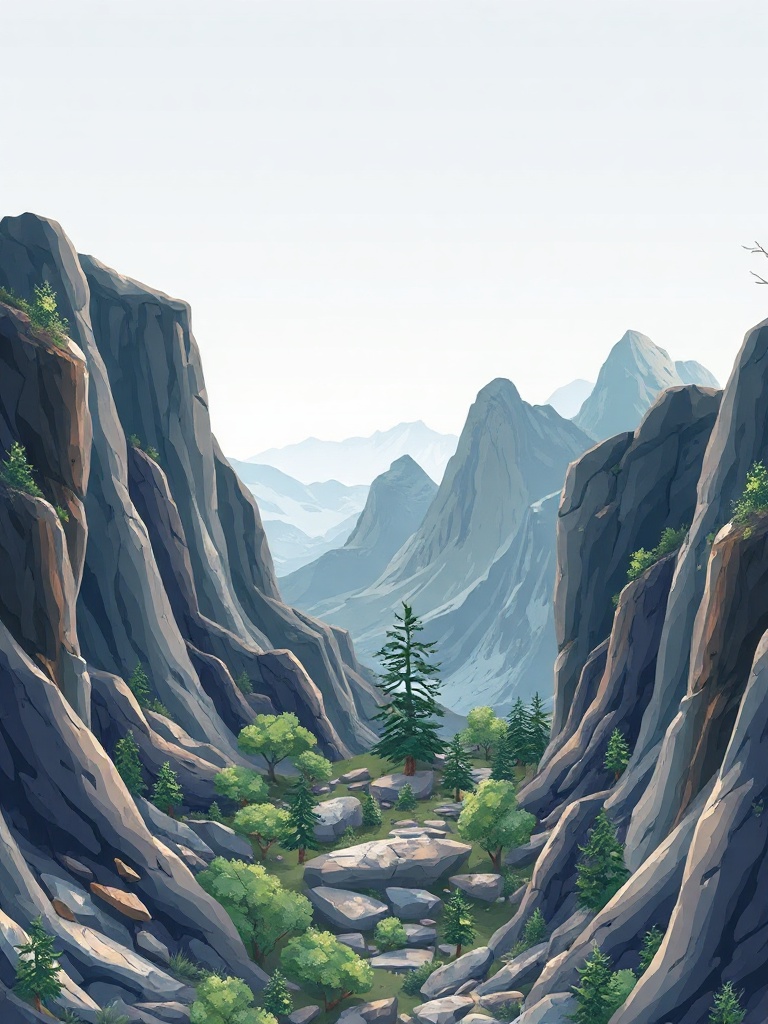
The range’s rugged profiles were shaped by tectonic uplift and sculpted by repeated glaciation, producing cirques, horns, and U-shaped valleys. High alpine zones hold fragile meadows and hardy wildflowers that bloom in a brief growing season. Lower slopes transition into conifer forests and sagebrush steppe, supporting a wide array of wildlife from elk and mule deer to bighorn sheep, mountain goats, and both black and grizzly bears where protected habitat persists.
Practical tips for visitors
– Prepare for altitude: Even moderate treks can feel strenuous.
Hydrate, ascend gradually when possible, and watch for signs of altitude sickness such as headache, nausea, or dizziness. Rest and descend if symptoms worsen.
– Layer clothing: Mountain weather shifts fast—sunny mornings can turn to wind and snow by afternoon.
A windproof shell, insulating mid-layer, hat, and gloves are smart basics.
– Trail safety: Carry a map and compass or a reliable GPS device; phone reception and batteries can fail.
Stick to marked trails to protect sensitive vegetation and avoid hidden hazards.
– Wildlife etiquette: Observe animals from a distance. Never feed wildlife and store food securely—bear-resistant containers or lockers are often required in many areas. Bear spray is recommended where bears roam; learn how to use it before heading out.
– Leave No Trace: Pack out trash, avoid trampling alpine plants, and camp only in designated sites to minimize impact on delicate ecosystems.
Seasonal experiences
– Spring and summer bring wildflower displays, thawed high-country trails, and peak water flow in rivers—ideal for rafting and fishing. Snowmelt increases trail difficulty in some drainage areas, so check conditions.
– Fall offers crisp air, quieter trails, and dramatic color changes in aspen groves—prime time for photography and wildlife rut viewing.
– Winter turns large parts of the range into a playground for backcountry skiing, snowshoeing, and snowmobiling. Avalanche awareness and proper gear are essential for safe travel in winter terrain.
Conservation challenges
The Rockies face ongoing pressures from wildfire, invasive species, drought, and shifting climate patterns. Tree mortality from native pests and disease, along with fire suppression legacies, can alter forest structure and wildfire behavior. Conservation efforts focus on habitat connectivity, sustainable recreation planning, and restoring natural fire regimes where appropriate. Supporting local land trusts, national and state parks, and responsible outdoor businesses helps protect these landscapes for future generations.
Planning resources
Before you go, consult official land-management websites and local ranger stations for trail conditions, permit requirements, and closures.
Guided trips and interpretive programs can deepen understanding while minimizing impact, especially for backcountry travel.
The Rocky Mountains reward visitors with unmatched scenery and abundant wildlife, but they also demand respect and preparation. With the right gear, knowledge, and a stewardship mindset, a trip to the Rockies can be an inspiring and responsible mountain experience.