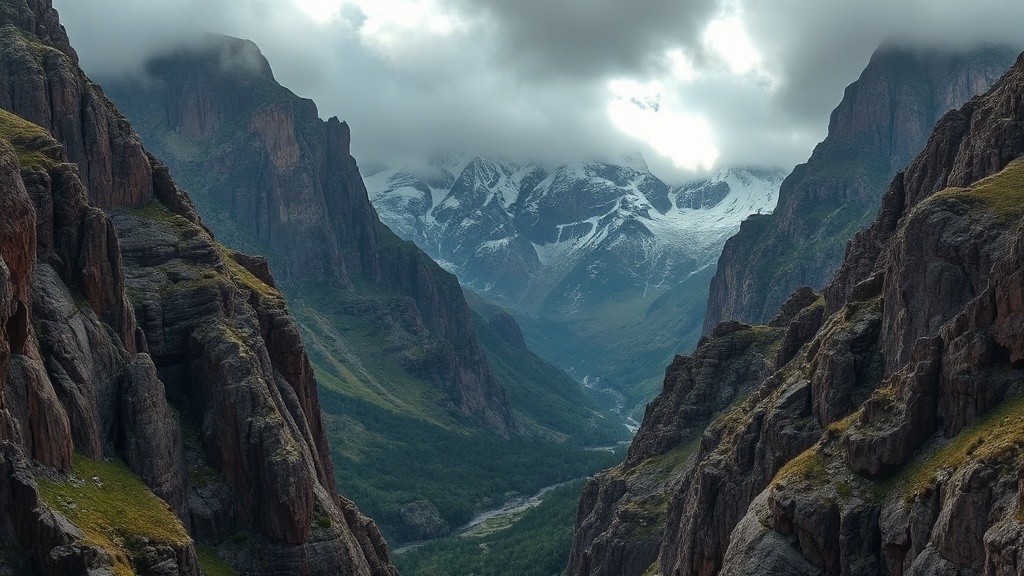
Utah’s outdoor playground draws visitors from around the world, and balancing booming recreation with conservation has become central to the state’s identity. With five world-class national parks, vast BLM lands, ski resorts, and endless trail networks, Utah offers something for every outdoor lover — but that popularity brings challenges for natural resources, local communities, and visitor experience.
Why Utah stands out
Utah’s dramatic red-rock canyons, high alpine forests, and desert expanses create unmatched scenery and diverse recreation opportunities. The “Mighty 5” national parks — Zion, Bryce Canyon, Arches, Canyonlands, and Capitol Reef — anchor a tourism economy while state and federal public lands provide dispersed camping, mountain biking, climbing, and backcountry solitude. Proximity to major cities and a growing outdoor industry has made these destinations more accessible than ever, increasing the need for smart planning and stewardship.
Managing visitor impact
Park managers and local stakeholders are responding with several strategies that focus on preserving natural resources while maintaining access:
– Timed-entry and permit systems for high-use areas and popular trails help spread visitation throughout the day and season and reduce crowding on iconic routes.
– Shuttle services and improved transit reduce vehicle congestion and the footprint of parking areas near trailheads.
– Partnerships with outdoor retailers, nonprofits, and volunteer crews expand trail maintenance and habitat restoration work.
– Education campaigns emphasize Leave No Trace practices, fire safety, and responsible travel to protect fragile ecosystems and cultural sites.
Where to go beyond the crowds
For travelers seeking quieter experiences, Utah rewards a little extra planning:
– Explore lesser-known national monuments and state parks for dramatic scenery with fewer people.
– Head to high-elevation trails for alpine lakes and wildflowers, which often see lower foot traffic than popular canyon hikes.
– Try multi-day backpacking in designated backcountry zones to escape the day-visitor rush — remember permits and route planning are essential.
– Visit scenic byways and small towns for local culture, food, and lodging that support rural economies while avoiding congested hubs.
Tips for responsible travel
Smart choices make a big difference for local communities and landscapes:
– Plan ahead: check park websites for current conditions, permits, and transport options before you go.
– Travel off-peak when possible and consider mid-week or shoulder-season visits to avoid the busiest periods.
– Use public transit or park shuttles where available to reduce parking strain and emissions.
– Pack out what you pack in and stay on designated trails to prevent erosion and damage to native plants.
– Respect private property and seasonal closures that protect wildlife and cultural resources.
Economic and community considerations
Outdoor recreation is a major economic engine, supporting jobs in guiding, hospitality, retail, and outdoor product manufacturing. That growth also stresses housing, infrastructure, and emergency services in gateway towns. Collaborations among municipalities, land managers, and businesses aim to direct tourism revenue toward sustainable infrastructure, affordable housing initiatives, and workforce development to keep communities resilient and welcoming.
A lasting experience
Utah’s landscapes are fragile and spectacular at once.
Thoughtful travel — combining planning, respect for land and people, and willingness to explore beyond postcard views — helps ensure those places remain available and vibrant for future visitors.
Whether you’re seeking a classic trail, a quiet canyon, or a night under vast stars, mindful choices will make your trip better and protect the places that make Utah unforgettable.