Montana fishing blends wild scenery with world-class angling opportunities, making it a top destination for anglers seeking trout, warmwater species, or backcountry solitude. From spring runoff to late-season dries, understanding local waters, tactics, and conservation priorities improves success and keeps fisheries healthy.
Where to fish and what to expect
– Rivers: Tailwaters and freestone streams each offer distinct experiences. Tailwaters below major dams produce steady flows and predictable trout feeding—excellent for nymphing and streamer work. Freestone rivers change with runoff and rain, rewarding anglers who read water and match insect activity.
– Lakes and reservoirs: Large natural lakes and managed reservoirs host trout, walleye, pike, and bass. Trolling, vertical jigging, and shallow-water casting each become effective as temperatures shift through the season.
– Backcountry and small streams: High-country creeks provide solitude and native cutthroat encounters.
These waters often require light tackle and stealth.
Target species and techniques
– Trout (rainbow, brown, cutthroat): Nymphing remains a go-to approach for consistent results; tight-line and indicator setups both work depending on current and depth. Dry-fly fishing excels during visible hatch windows—watch for caddis, mayflies, and midges. Streamers are productive for aggressive browns and large rainbows, especially during low-light periods.
– Warmwater fish (walleye, northern pike, bass): Shallow- and mid-depth casting with soft plastics, crankbaits, or spoons is effective. For pike, use robust leaders and large profile baits; for walleye, troll deep-diving crankbaits or vertical jig live-bait rigs.
– Lake trout and kokanee: Trolling with downriggers or lead-core lines and scented lures often triggers strikes; vertical jigging can be lethal when fish hold deep over structure.
Seasonal considerations
Spring runoff can make many freestone streams technical or temporarily unfishable—use caution and target tailwaters or lower-elevation waters early in the season. Late spring through fall generally offers peak dry-fly opportunities and calmer flows. Cooler weather pushes fish into shallower feeding zones, making sight-fishing and streamer tactics more effective.
Conservation and best practices
Protecting Montana’s fisheries is essential. Always carry a valid fishing license and follow local regulations for catch limits, special closures, and protected species. Native species, particularly cutthroat and bull trout, often receive extra protection—know identification and handling rules before fishing.
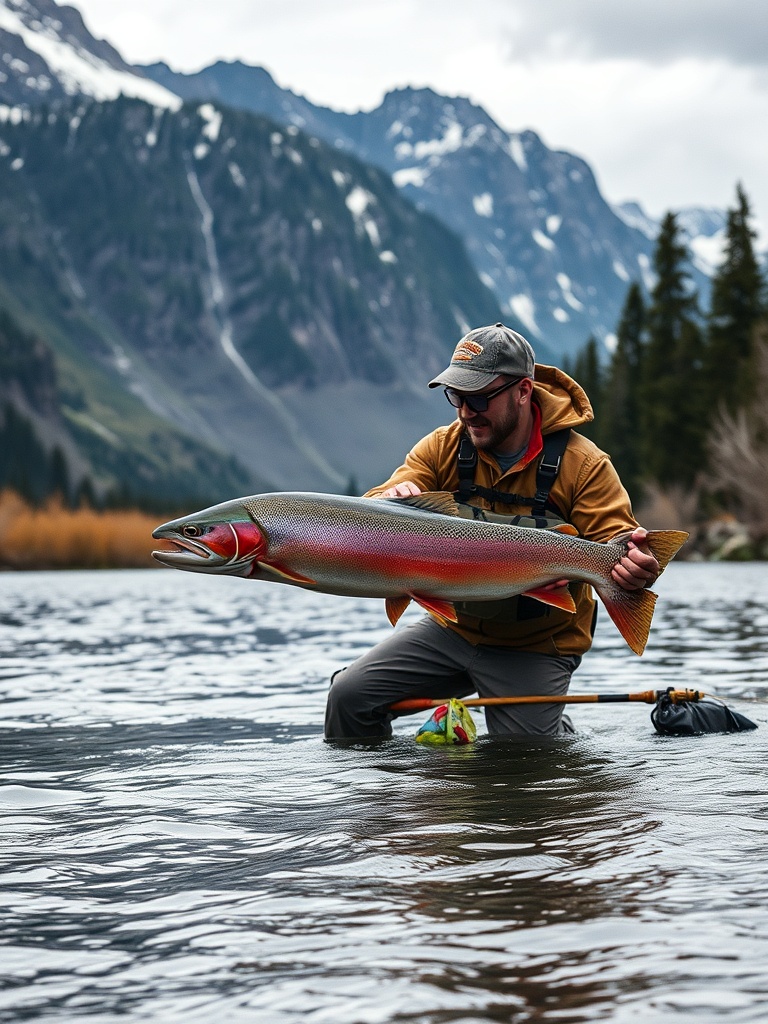
Prevent the spread of aquatic invasive species by thoroughly cleaning, draining, and drying boats, trailers, and gear between water bodies. Use decontamination stations where provided. Practice responsible catch-and-release: keep fish in water when possible, wet hands before handling, use barbless hooks for easier releases, minimize air exposure, and revive fish until they swim away strongly.
Safety and gear tips
Wading safely means using a wading staff, wearing a properly fitted life vest on swift water or when fishing from a drift boat, and managing slick rocks with studded boots or felt alternatives approved by authorities.
Match rod weight to the water: 4–6 weight rods for small streams and most dry-fly work, 6–8 weights for larger rivers and streamer fishing. Bring polarized sunglasses to spot subsurface structure and reduce glare.
Guides, access, and responsible recreation
Guided trips accelerate learning for newcomers and help experienced anglers discover new water. Respect private property, pack out all trash, and leave campsites better than found. Support local conservation groups through donations or volunteer work—many habitat restoration projects rely on community involvement.
Montana fishing rewards preparation, patience, and respect for the environment. Learning to read water, matching hatches, and practicing good stewardship offers memorable days on the water and helps ensure healthy fisheries for anglers who follow.