Rocky Mountains: Wild Beauty, Outdoor Adventure, and Conservation Priorities
Stretching from coastal ranges to interior plains, the Rocky Mountains offer dramatic peaks, deep valleys, and ecosystems that change with every mile. For anyone drawn to high-country scenery—hikers, skiers, naturalists, or road-trip travelers—the Rockies deliver a mix of raw wilderness and accessible outdoor experiences.
Geology and Landscapes
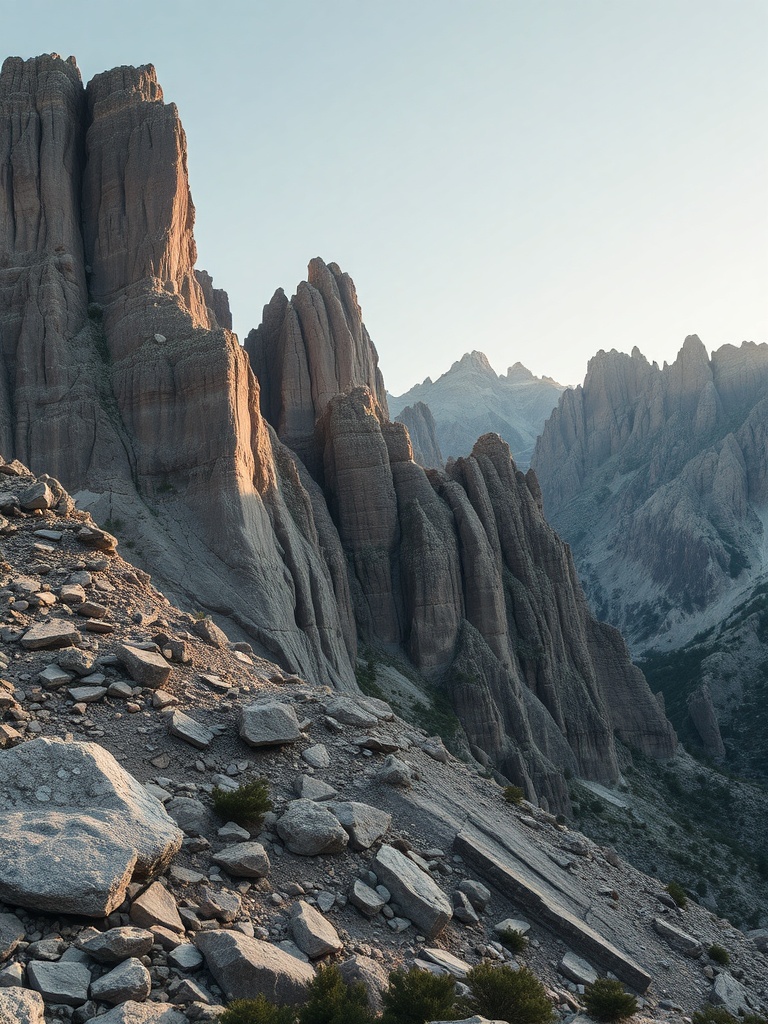
The Rockies rose through tectonic forces and were sculpted by repeated glaciation, leaving behind jagged summits, cirques, and U-shaped valleys. The Continental Divide threads the range, directing water toward different oceans and creating diverse river systems.
Elevation drives the landscape: lower montane forests give way to subalpine stands, then to alpine tundra above the treeline where only hardy plants survive.
Ecosystems and Wildlife
These mountains support an array of wildlife adapted to steep, seasonal environments.
Elk, mule deer, moose, and bighorn sheep are commonly seen in meadows and riparian zones.
Predators such as mountain lions and black bears maintain ecological balance; grizzly bears occur in parts of the range. Birdlife includes raptors, grouse, and alpine specialists. High-elevation meadows and wildflower displays are important pollinator habitat and highlight the Rockies’ biodiversity.
Outdoor Recreation: How to Get the Most Out of Your Visit
The Rockies offer year-round recreation: long-distance hikes and backpacking routes in summer, epic backcountry skiing and snowmobiling in winter, and scenic drives that reveal panoramic vistas.
Popular national parks and protected areas within the range showcase iconic mountain landscapes and visitor infrastructure.
Plan for altitude and weather:
– Acclimate slowly; allow extra rest and reduce exertion during the first days above 8,000–10,000 feet.
– Dress in layers, carry rain protection, and expect rapid temperature swings.
– Be aware of snow and avalanche danger in shoulder seasons and winter.
Wildlife safety and etiquette:
– Keep a safe distance from wildlife; never feed animals.
– Store food securely using provided lockers or bear-resistant containers where required.
– Carry bear spray in bear country and know how to use it.
Conservation Challenges and Stewardship
The Rocky Mountain region faces ongoing threats that affect ecosystems and recreation. Shifts in snowpack and seasonal timing influence water supplies, plant communities, and wildlife behavior. Bark beetle outbreaks and increased wildfire frequency have altered forest structure across large areas.
Visitor pressure in key access points stresses trails and campgrounds.
Responsible visitation helps protect the range:
– Practice Leave No Trace principles: pack out trash, camp on durable surfaces, and avoid disturbing vegetation.
– Use designated trails and backcountry permits where required to limit erosion and overcrowding.
– Support local conservation organizations and public land management initiatives that fund habitat restoration and trail maintenance.
Why the Rockies Matter
Beyond recreation, the Rockies are a crucial source of freshwater, habitat, and cultural value for communities downstream. Protecting these mountain systems preserves not only spectacular scenery but also essential ecosystem services. Whether planning a day hike or a multi-day trek, approach the Rockies with respect and curiosity—leave places better than you found them, and they will continue to inspire generations of outdoor lovers.