Navajo art continues to captivate collectors, designers, and anyone drawn to bold geometry, hand-crafted technique, and deep cultural meaning. Rooted in the traditions of the Diné people, Navajo artistic practice stretches across weaving, silversmithing, painting, and contemporary mixed media—each medium carrying visual language tied to landscape, ceremony, and community.
Weaving remains one of the most iconic Navajo forms.
Traditional rugs and blankets are woven on upright looms using hand-carded wool, and the most sought-after pieces show exceptionally tight weave, balanced composition, and subtle dye work. Regional styles—recognized by collectors and communities—feature distinct palettes and motifs that reference local aesthetics and family lineages. Natural dyes, hand-spun yarn, and the signature rhythmic imperfection of handwork are hallmarks of authenticity. Contemporary weavers expand palette and pattern while honoring technique, creating pieces that function as both utilitarian textiles and gallery-worthy art.
Jewelry is another enduring arena. Navajo silversmithing produced iconic forms such as stampwork, overlay, and elaborate turquoise-set pieces. Turquoise is emblematic—valued for color, matrix, and provenance—and is often paired with sterling silver to create necklaces, bracelets, and squash-bloom motifs that blend artistry with wearable heritage.
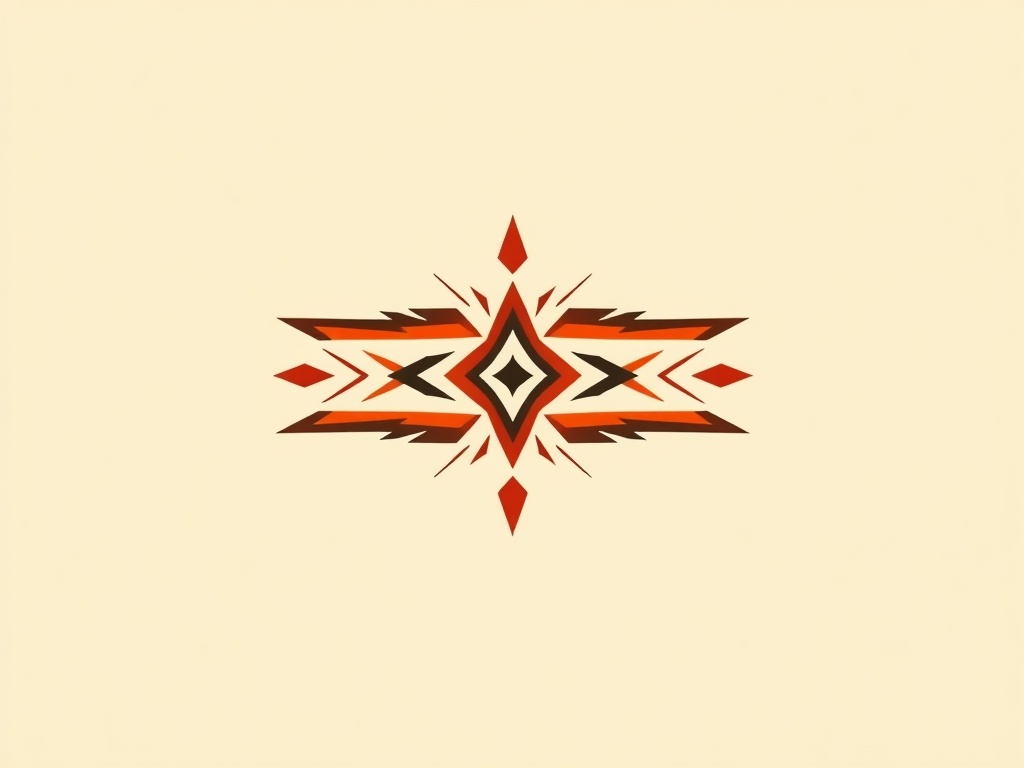
Many modern jewelers mix traditional methods with new metals, stones, and design concepts, making the work appealing to a wide range of collectors.
Sandpainting and other ceremonial arts are deeply sacred.
Sandpaintings are created as part of healing ceremonies and carry spiritual function; they are not created for casual decoration.
Respect for cultural protocols is essential. Artists who produce versions intended for sale will make that clear, and it’s important to follow guidance from artists and communities about which objects are appropriate to display, purchase, or reproduce.
Contemporary Navajo artists are also active across painting, sculpture, installation, and interdisciplinary projects.
They often reframe traditional motifs to address modern life, identity, and social issues, while maintaining continuity with ancestral knowledge. Exhibitions and community-run galleries provide platforms for these voices and help connect collectors directly with artists.
When seeking to buy or collect Navajo art, thoughtful practices help ensure support for living artists and cultural integrity:
– Buy directly from artists, tribal galleries, or reputable dealers who provide provenance and artist information.
– Look for signatures, artist names, and clear descriptions of materials and techniques (hand-spun wool, natural dyes, sterling silver, etc.).
– Ask questions about cultural significance; respect artists’ choices about what is sold and what remains ceremonial.
– Avoid mass-produced “Navajo-style” items that lack attribution and often exploit imagery without benefit to Native communities.
– Support markets and cooperatives that honor fair compensation and cultural stewardship.
Understanding the distinctions between tradition and market helps deepen appreciation and supports ethical collecting.
Whether drawn to the meticulous geometry of a handwoven weft, the glow of a turquoise cluster necklace, or a contemporary installation that reclaims narrative, engaging with Navajo art offers a powerful way to connect with living cultural practice. Seek out artist talks, fairs, and community events—those encounters create meaningful exchange and direct support for the creators keeping these traditions vital.