Wyoming ranches blend wide-open landscapes with practical land stewardship, drawing buyers and operators who value productive acreage, outdoor recreation, and a working lifestyle. Whether pursuing a legacy cattle operation, a guest ranch enterprise, or a conservation-minded property, understanding the key elements that make Wyoming ranching successful helps shape smart decisions.
Location and landscape
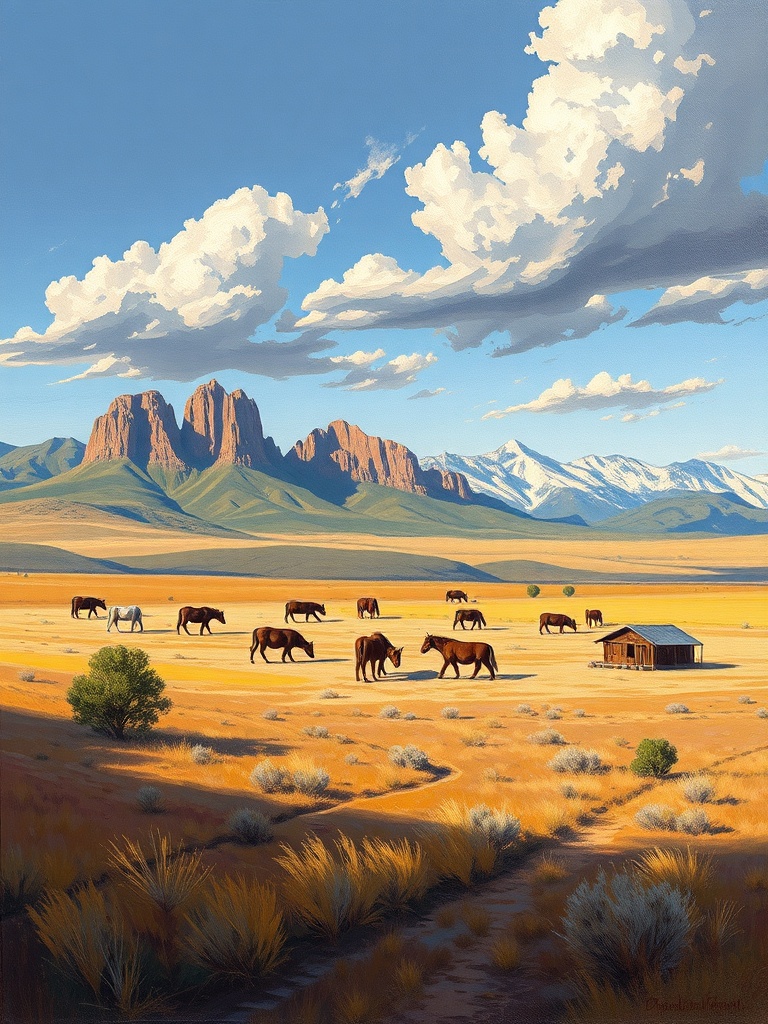
Ranches span high plains, river valleys, and mountain foothills.
Popular landscapes include riverfront meadows ideal for irrigated hay and riparian habitat, sagebrush steppe used for winter grazing, and alpine basins for summer pasturage. Proximity to mountain ranges offers scenic value and recreational appeal, while basins and plains often provide larger, flatter tracts suited for intensive grazing or hay production.
Water and grazing permits
Water rights are a central asset.
Many ranches rely on a mix of surface water rights, irrigation ditches, and groundwater wells. Verifying water priority, diversion points, and conveyance maintenance is essential during due diligence. Large operations frequently depend on federal grazing allotments administered by public land agencies; confirm the status, history of use, and transferability of permits before purchase.
Livestock and diversification
Cattle remain the primary enterprise on many properties, but sheep, bison, and mixed-species grazing are common. Diversified income streams improve resilience—irrigated hay production, hunting leases, and outfitting or guest-ranch operations can supplement livestock returns. Renewable energy leases, timber sales where applicable, and carbon or conservation contracts also contribute revenue in some cases.
Conservation and easements
Conservation easements and working land agreements preserve open space while potentially offering tax benefits.
Landowners partnering with land trusts can retain grazing and recreational rights while protecting habitat and scenic values.
Many ranch owners prioritize riparian restoration, invasive species control, and soil health practices that benefit productivity and wildlife.
Infrastructure and operational considerations
Fencing, water distribution, corrals, hay barns, and road access determine day-to-day efficiency. Remote properties may require investments in internet connectivity, reliable power (including backup systems), and equipment storage. Fire mitigation—fuel breaks, defensible space around improvements, and access for firefighting—should be part of a management plan in fire-prone areas.
Regulatory, tax, and estate planning
Agricultural classification often reduces property taxes when acreage is actively used for farming or ranching. Mineral rights, lease arrangements, and conservation restrictions can significantly affect value; clarify ownership and revenue potential. Many ranch owners use entity structures and estate planning tools to simplify ownership transfer and protect family assets while maintaining continuity of operations.
Recreation and hospitality opportunities
Guest ranches, fly-fishing lodges, and hunting camps capitalize on Wyoming’s outdoor reputation. These operations require hospitality infrastructure, marketing to attract visitors, and compliance with hospitality and guiding regulations. They also create alternative revenue that can offset the seasonal variability of agriculture.
Due diligence and local expertise
Buying or operating a ranch demands thorough due diligence: title review, water-rights verification, grazing permit history, environmental assessments, and onsite inspections across seasons. Local brokers, agricultural extension services, and watershed or land trust organizations provide crucial regional knowledge. Visiting properties in different seasons reveals snow loads, forage availability, and access challenges.
Wyoming ranch ownership combines stewardship, business management, and lifestyle.
With careful planning—understanding water and grazing rights, maintaining infrastructure, exploring income diversification, and partnering with local experts—ranchers can preserve rural heritage while building a viable, resilient operation.