Wyoming: Wide Open Spaces, Outdoor Life, and the New Energy Conversation
Wyoming’s signature mix of vast public lands, dramatic mountain ranges, and small-town character keeps it on the radar for travelers, outdoor lovers, and people tracking energy and conservation trends. Whether seeking epic hikes, wildlife viewing, or a glimpse at how energy development and conservation intersect, Wyoming offers compelling, ever-relevant stories and experiences.
Outdoor recreation and classic Western landscapes
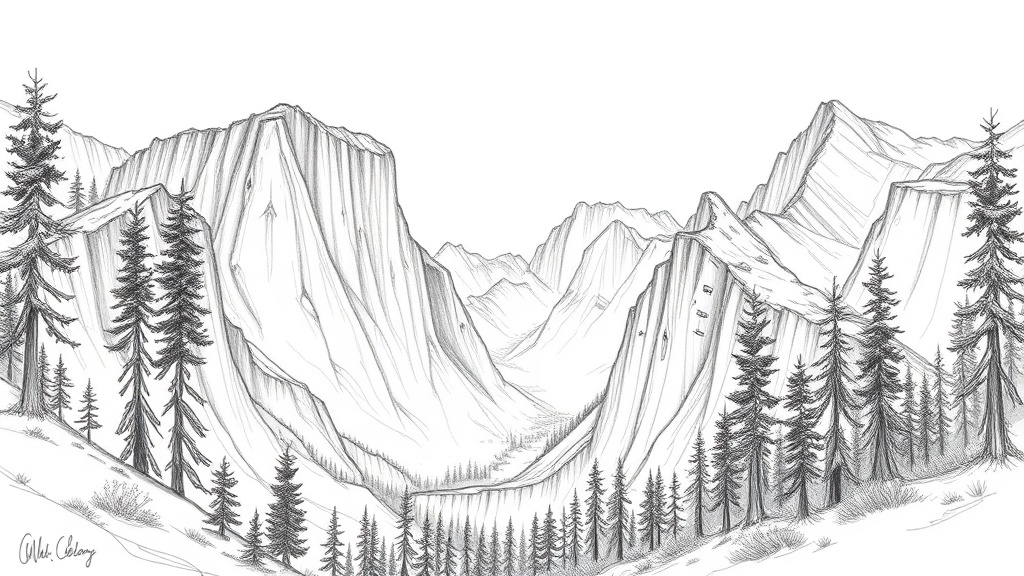
Wyoming’s outdoor attractions rank among the most iconic in the country. Mountain adventures range from mellow valley walks to high-elevation backcountry routes that reward careful planning and respect for alpine weather.
River running and fly-fishing draw anglers to clean trout streams, while wide-open sagebrush basins provide quiet habitat for birding and wildlife photography.
Winter brings backcountry skiing, snowmobiling, and smaller resort experiences away from crowded urban centers.
Practical travel tips: layer clothing, plan for sudden weather changes, and remember altitude can affect breathing and energy levels. Respect wildlife by observing from a distance, store food properly to avoid attracting animals, and follow Leave No Trace principles to help preserve the landscapes visitors come to enjoy.
Wildlife, migration corridors, and conservation
A defining feature of Wyoming is its role as a corridor for migrating ungulates and predators.
Large mammals move across broad tracts of public and private land, so habitat connectivity is central to biodiversity and resilient ecosystems.
Conservation efforts often focus on protecting migration routes, reducing vehicle collisions, and managing habitat loss from development pressures. Local and national groups collaborate with ranchers and communities to create creative, practical solutions that balance livelihoods with habitat protection.
Energy transition and land-use balance
Wyoming’s abundant wind and solar potential sits alongside longstanding fossil-fuel industries, making it a focal point in conversations about energy transition. Wind farms and solar projects bring new jobs and revenue to rural communities, yet they must be sited thoughtfully to avoid fragmenting key wildlife habitat and cultural landscapes. Meanwhile, efforts to modernize reclamation practices and invest in cleaner technologies are shaping how energy development proceeds on public and private lands.
Stakeholders—ranchers, conservationists, energy companies, and local governments—are increasingly focused on collaborative planning that seeks to maximize economic benefits while minimizing ecological impacts.
Transparent siting processes, community benefit agreements, and investments in workforce training are recurring themes in successful projects.
Small towns, remote work, and quality of life
Wyoming’s small towns offer strong community ties, outdoor access, and a slower pace that appeals to people looking to relocate.
Improvements in broadband and remote-work culture have broadened possibilities for residents and newcomers, although housing availability and infrastructure needs remain challenges in popular areas.
Many communities are exploring sustainable growth strategies that preserve local character while supporting basic services and measured economic diversification.
Why Wyoming matters
Wyoming exemplifies the tension and synergy between conservation, recreation, and resource development. Its landscapes provide both a refuge for wildlife and a stage for human activity—making thoughtful stewardship essential. For travelers, the promise is straightforward: wide-open spaces, memorable outdoor experiences, and an authentic look at how landscapes and communities adapt to change. Plan ahead, be respectful of local rules and wildlife, and Wyoming’s open country will reward curiosity and care.