Explore Moab-area parks: best trails, safety tips, and how to plan
The red-rock landscapes around Moab offer some of the most iconic sandstone formations, endless trails, and outdoor activities in the Southwest. Whether you’re aiming for the sculpted arches and short overlooks or multi-day backcountry routes, a little planning makes the experience safer and more enjoyable.
Where to go
– Arches National Park: Famous for concentrated natural arches and easy-to-moderate hikes. Popular viewpoints and short trails deliver big views with relatively little effort.
– Canyonlands National Park: Divided into districts with vastly different characters — mesa overlooks, remote canyons, and technical canyoneering. Pick a district that matches your skill and time.
– Dead Horse Point State Park: Offers sweeping overlooks and accessible trails with dramatic river bends in view.
– BLM lands around Moab: Vast dispersed-vehicle routes, mountain-bike networks, and primitive camping. Familiarize yourself with seasonal closures and local rules.
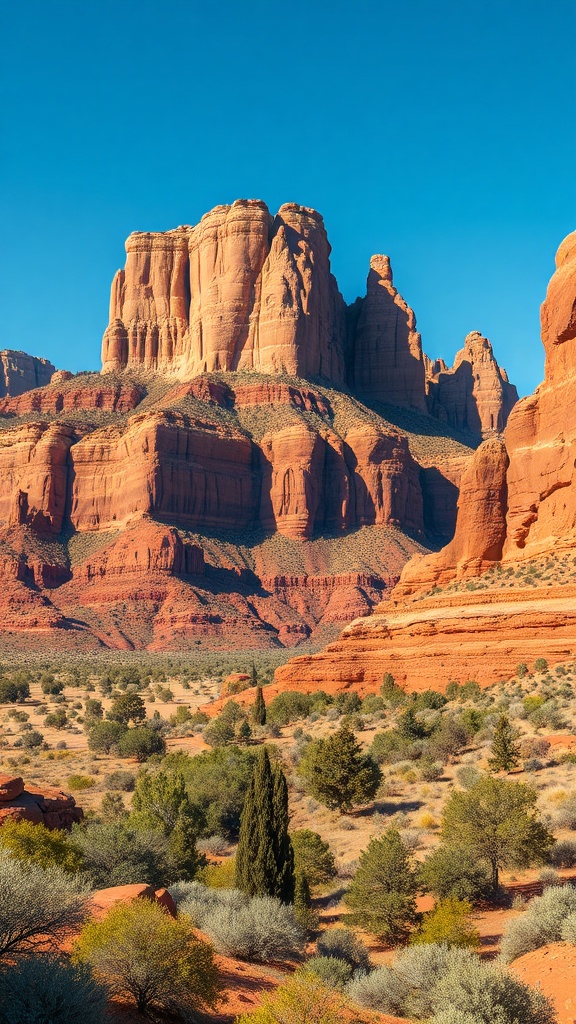
Top hikes and rides
– Delicate Arch viewpoint and the trail to the arch are must-sees; expect an exposed hike with uneven footing.
– Devils Garden has a range of options from short loops to longer routes linking several arches.
– Mesa Arch delivers sunrise photo opportunities on a short, family-friendly trail.
– Slickrock Trail is a world-class mountain-biking loop; rated challenging for tech and fitness but rewarding for the scenery.
– Shafer Trail and Hell’s Revenge are classic high-clearance 4×4 routes that require cautious driving and local knowledge.
Practical planning tips
– Check park websites or visitor centers for current access rules, timed-entry requirements, and alerts before you go. Popular parks can implement reservations or limits during busy periods.
– Cell coverage is spotty; download maps and routes offline and tell someone your plan.
– Facilities are limited in many areas. Water and shade are scarce—pack more than you expect to need.
– If you’re backcountry camping or canyoneering, verify permit requirements and obtain them in advance when required.
Safety essentials
– Heat and sun exposure are the top hazards. Wear sun-protective clothing, use sunscreen, carry ample drinking water, and plan activities for cooler parts of the day.
– Flash flooding can occur in slot canyons and washes.
Avoid narrow channels when storms are forecast, and heed local alerts.
– Trail surfaces are often slick rock; wear footwear with good traction and use trekking poles if stability is a concern.
– Altitude and dry air can affect energy and hydration; pace yourself and be ready to turn back if conditions worsen.
Leave No Trace and responsible recreation
– Pack out all trash, bury human waste only where allowed and indicated, and use established campsites.
– Respect wildlife — observe from a distance and never feed animals.
– Stay on designated trails to protect fragile cryptobiotic soils and desert plants.
– For photography, avoid trampling vegetation to get a better angle; many popular overlooks regenerate slowly.
Packing checklist (basics)
– Minimum 2–3 liters of water per person for half-day outings, more for longer trips
– Sun protection: hat, sunglasses, sunscreen
– Navigation: paper map, downloaded GPS maps
– Footwear with good grip; layers for temperature swings
– Emergency kit: first aid, headlamp, whistle
With mindful planning and respect for fragile desert ecosystems, exploring Moab-area parks rewards visitors with unforgettable landscapes, quiet sunrise vistas, and outdoor adventures suited to every level of experience. Check official park sources before you go to confirm rules, access, and safety information.