Wyoming ranches capture a unique blend of wide-open space, working landscapes, and outdoor recreation. Whether you’re dreaming of owning a cattle operation, booking a guest ranch getaway, or supporting conservation on private land, Wyoming offers a rich tapestry of ranching traditions shaped by rugged terrain, abundant wildlife, and long-standing water and grazing practices.
What makes Wyoming ranches special
Wyoming ranches are defined by vast tracts of grassland, high mountain meadows, and river corridors that support both livestock and wildlife.
Proximity to iconic landscapes—like the mountain ranges and geothermal areas that attract outdoor enthusiasts—adds appeal for tourism and lifestyle buyers. The scarcity of development and relatively low population density help preserve panoramic views and a strong sense of privacy that many buyers seek.
Working operations and economic realities
Ranching remains a working business. Key revenue sources include cattle and sheep production, hay, agri-tourism, and seasonal leases for grazing or hunting. Managing a ranch requires understanding local water rights, grazing permit systems on public land, property tax structures, and infrastructure needs such as fencing, irrigation, and barn maintenance. Many successful operations combine traditional ranching income with diversified streams like short-term rentals, guiding services, or value-added agricultural products.
Guest ranches and experiential tourism
Guest ranches—often called dude ranches—offer a way to experience ranch life without long-term commitment. These properties cater to horseback riding, fly fishing, wildlife viewing, and guided backcountry trips. Well-run guest ranches focus on authentic experiences: horsemanship clinics, cowboy cookouts, and interpretive programs about local ecology and ranch operations. For visitors, choosing a guest ranch close to national forest access or renowned fishing rivers enhances the outdoor itinerary.
Conservation and sustainable practices
Conservation has become central to many Wyoming ranches. Conservation easements and landowner partnerships with non-profit organizations help protect open space while providing tax incentives or stewardship funding. Sustainable grazing practices—rotational grazing, riparian fencing, and habitat restoration—improve forage resilience, support native species, and protect water quality.
A growing number of ranches also explore carbon farming and regenerative practices to boost soil health and create additional revenue through environmental markets.
Wildlife and coexistence
Ranches in Wyoming often overlap migration routes and habitat for elk, mule deer, pronghorn, and predators like coyotes and wolves. Coexistence strategies include non-lethal deterrents, seasonal grazing adjustments, and collaboration with wildlife agencies to balance livestock production with healthy wildlife populations. For many landowners, maintaining wildlife habitat is both an ecological priority and a draw for recreational visitors.
Practical tips for buyers and visitors
– Work with brokers who specialize in ranch properties to understand water rights and grazing permits.
– Inspect infrastructure: water systems, fences, barns, and access roads are crucial and can be costly to repair.
– If considering a guest ranch or agri-tourism venture, research local zoning and lodging regulations.
– For visitors, pack layered clothing, be prepared for variable weather, and respect private property and wildlife.
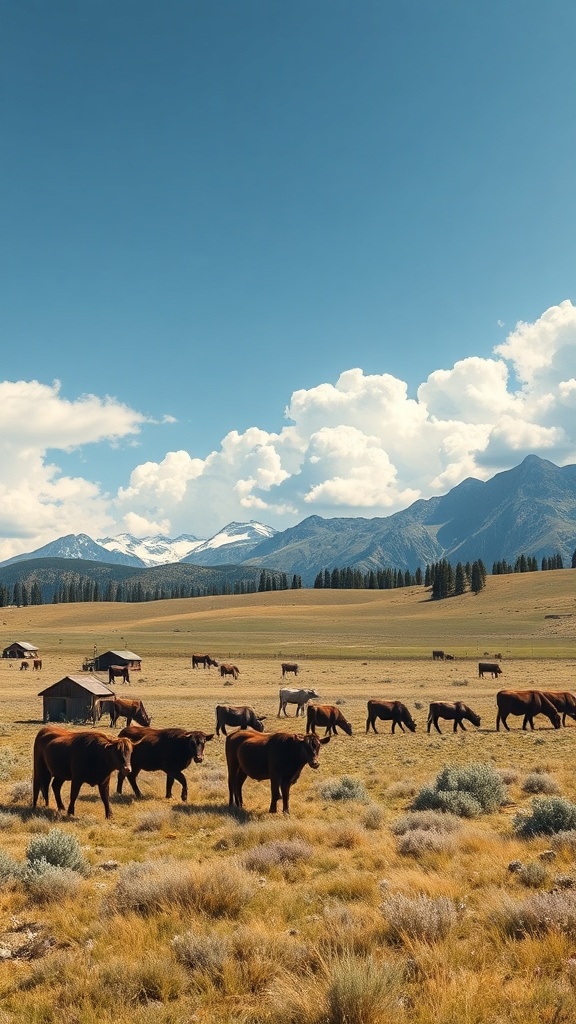
Wyoming ranches offer a compelling combination of working heritage, conservation opportunity, and outdoor adventure. Whether pursuing a lifestyle change, an investment in land stewardship, or a memorable outdoor vacation, careful planning and local expertise help ensure a rewarding connection to the ranching landscape.