Rocky Mountains: A Practical Guide to Geology, Wildlife, and Responsible Adventure
Stretching across a vast swath of North America, the Rocky Mountains blend dramatic geology, diverse ecosystems, and world-class outdoor recreation. Whether planning a multi-day backpacking trip or a scenic drive, understanding what makes the Rockies unique helps you experience them safely and sustainably.
Geology and Landscape
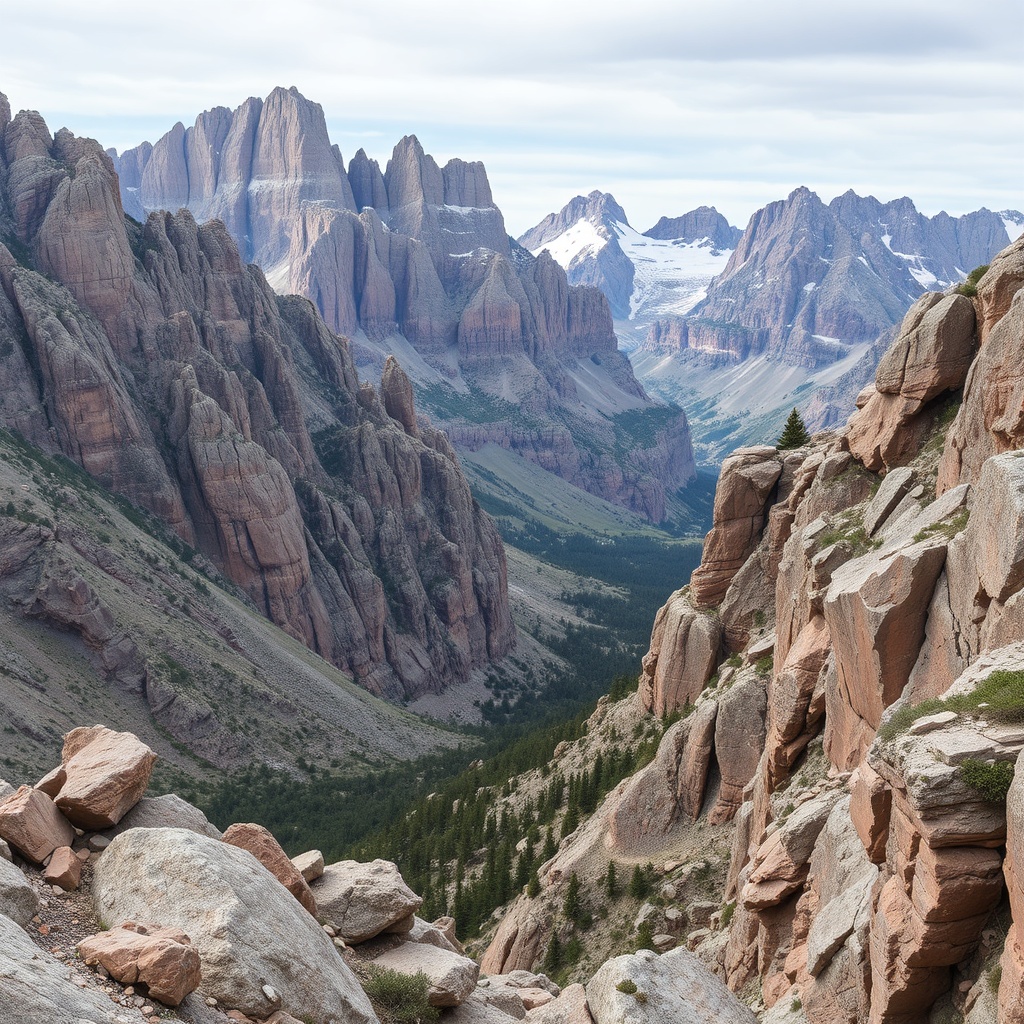
The Rockies rose through massive tectonic forces, forming rugged peaks, deep valleys, and long ridgelines. High-elevation zones feature exposed bedrock, cirques, and glacially carved valleys, while lower slopes transition to mixed forests and wide river basins. The Continental Divide runs along much of the range, directing watershed flow to different oceans and shaping local climates and river systems.
Ecosystems and Wildlife
Elevation changes create sharply defined ecological zones. Subalpine forests of fir and spruce give way to alpine tundra above the treeline, where hardy wildflowers, lichens, and short grasses persist. Wildlife is abundant and varied: elk, mule deer, bighorn sheep, mountain goats, and coyotes are common, while black bears and grizzly bears inhabit parts of the range. Predators like mountain lions and recovering wolf populations play important roles in ecosystem balance.
Conservation priorities include maintaining habitat connectivity for migratory species, protecting remaining glaciers and snowfields, managing wildfire regimes, and addressing the impacts of warming temperatures on snowpack and species ranges. Responsible recreation helps preserve these values for future visitors.
Outdoor Activities and Safety
The Rockies offer activities for every season—hiking, backpacking, alpine climbing, mountain biking, fishing, and winter sports. Popular alpine routes and backcountry zones demand strong navigation and weather skills. For safe, enjoyable trips:
– Check local trail conditions and permit requirements before you go; some areas limit access to protect habitats.
– Prepare for rapid weather changes: pack layers, waterproof outerwear, and a reliable map or GPS.
– Acclimatize to elevation to reduce risk of altitude illness; hydrate, ascend gradually, and know symptoms like headache or shortness of breath.
– Practice wildlife safety: store food in approved containers, make noise while hiking in dense cover, and follow recommended distances for viewing animals.
– Learn avalanche basics and carry appropriate gear when traveling in snow-covered terrain.
Sustainable Travel Tips
Minimizing your impact keeps the Rockies wild and resilient.
Follow Leave No Trace principles: camp on durable surfaces, pack out all waste, and avoid disturbing plants and wildlife. Choose shuttle services, carpooling, or public transit where available to reduce congestion and emissions around popular trailheads. Support local economies by using guide services, staying in community-run lodgings, and buying regionally made products.
Planning Your Visit
Timing matters for both safety and experience.
Lower-elevation trails can be accessed earlier in the season, while high-country routes often remain snowbound longer and may require snow travel skills. Peak visit periods bring heavier use—consider shoulder seasons or less-known trail systems for solitude.
Always carry a map, know emergency contacts for the area, and leave a trip plan with someone reliable.
The Rocky Mountains reward careful planning with unforgettable scenery, abundant wildlife, and diverse recreational opportunities. Respecting natural processes and local regulations ensures those experiences remain available for generations of visitors.