The Allure of Wyoming Ranches: Land, Life, and Long-Term Value
Wide skies, open grasslands, and a culture built around livestock and land stewardship make Wyoming ranches uniquely appealing.
Whether you’re drawn to working cattle, a guest-ranch lifestyle, or owning a stretch of private wilderness, ranches here blend practical agriculture with lifestyle and legacy potential.
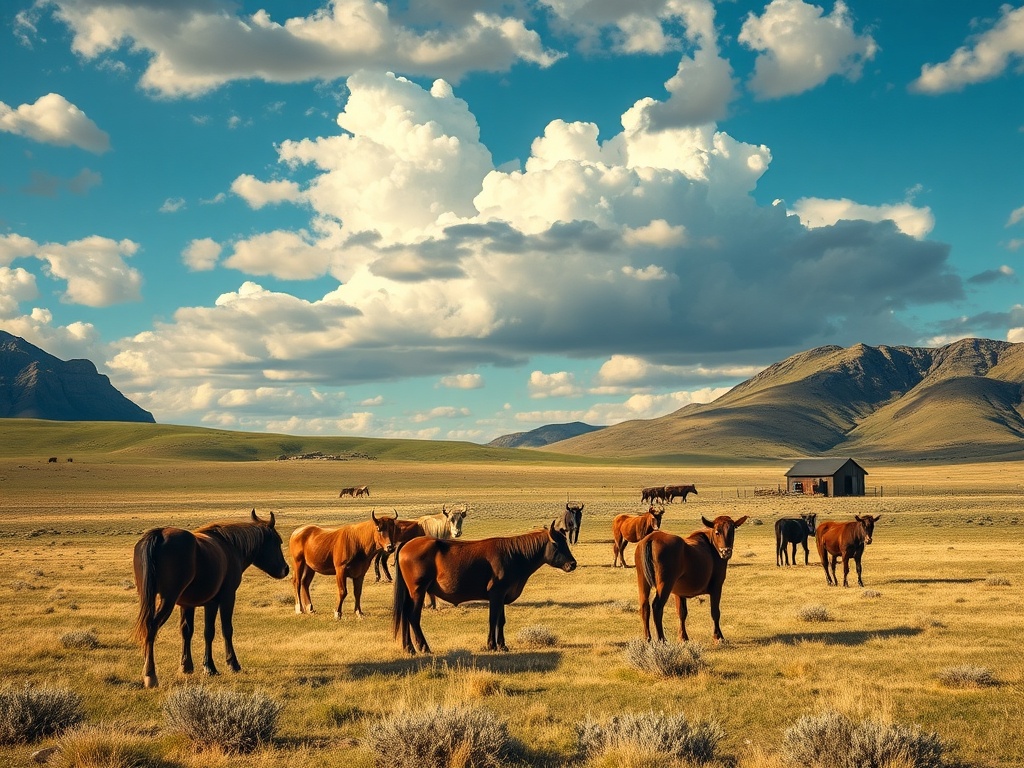
Land and Livestock: What Defines a Wyoming Ranch
Most ranches are defined by their productive acres and how those acres are managed. Cattle remain the core enterprise for many properties, but ranches often diversify with hay production, sheep, or niche livestock. Grazing management is central: rotational grazing, pasture rest, and riparian protection help maintain forage and improve animal health while reducing erosion.
Public Land Access and Grazing Permits
One feature that sets many Wyoming ranches apart is adjacency to or reliance on federal grazing permits on public lands. Those permits add grazing flexibility but also carry regulatory and seasonal considerations. When evaluating a property, confirm permit terms, allotment availability, and recent permit use history.
Water, Fencing, and Infrastructure
Water rights and reliable water sources are critical. Wells, springs, ponds, and surface water access affect both carrying capacity and resale value. Fencing and working facilities—corrals, loading chutes, hay barns—are day-to-day essentials. Maintaining fencing, water lines, and equipment is a significant ongoing expense and operational focus.
Conservation and Sustainable Practices
Conservation easements and voluntary stewardship programs allow ranchers to protect open space while potentially unlocking tax benefits. Many Wyoming ranches are adopting regenerative practices—no-till hay production, adaptive grazing, and native grass seeding—to build soil health, enhance drought resilience, and sometimes participate in carbon or ecosystem services programs. Working with local conservation groups and extension services can accelerate effective, science-based improvements.
Economic Considerations and Diversification
Ranch economics combine livestock revenues with expenses for feed, labor, maintenance, and property taxes.
To reduce exposure to commodity swings, owners often diversify: guest ranch operations, hunting leases, filming locations, and agritourism can supplement income.
Energy leases for wind or solar are also an option on some properties, though they require careful review of lease terms and long-term land use impacts.
Risk Management: Fire, Drought, and Predators
Wildfire and drought are perennial concerns in western rangelands. Proactive steps—fuel breaks, controlled grazing timing, and coordinated community suppression planning—are important. Predator interactions can affect livestock operations; well-designed guard strategies and collaboration with wildlife agencies help manage conflicts.
Buying a Ranch: Due Diligence Checklist
– Title and mineral rights: confirm what transfers with the land.
– Water: test wells and verify legal water rights.
– Grazing permits: review allotment documents and history.
– Surveys and access: ensure legal access and accurate boundary lines.
– Infrastructure assessment: evaluate fences, barns, roads, and utilities.
– Environmental constraints: check for conservation easements, wetlands, or regulatory encumbrances.
Lifestyle and Legacy
Beyond economics, many buyers are motivated by lifestyle—space for family, outdoor recreation, and a sense of place. Ranch ownership can also be an estate-planning vehicle to pass land and tradition to the next generation. Working with familiar local professionals—a ranch-savvy broker, an agricultural attorney, and conservation advisors—ensures decisions align with both practical needs and long-term goals.
Exploring Opportunities
Wyoming ranches offer a rare combination of productive land and Western character. Whether you’re evaluating a working cattle operation, a guest ranch venture, or a private retreat, careful due diligence and thoughtful land stewardship unlock lasting value and satisfaction.
Contact local experts and tour properties to find a ranch that fits operational needs and personal vision.