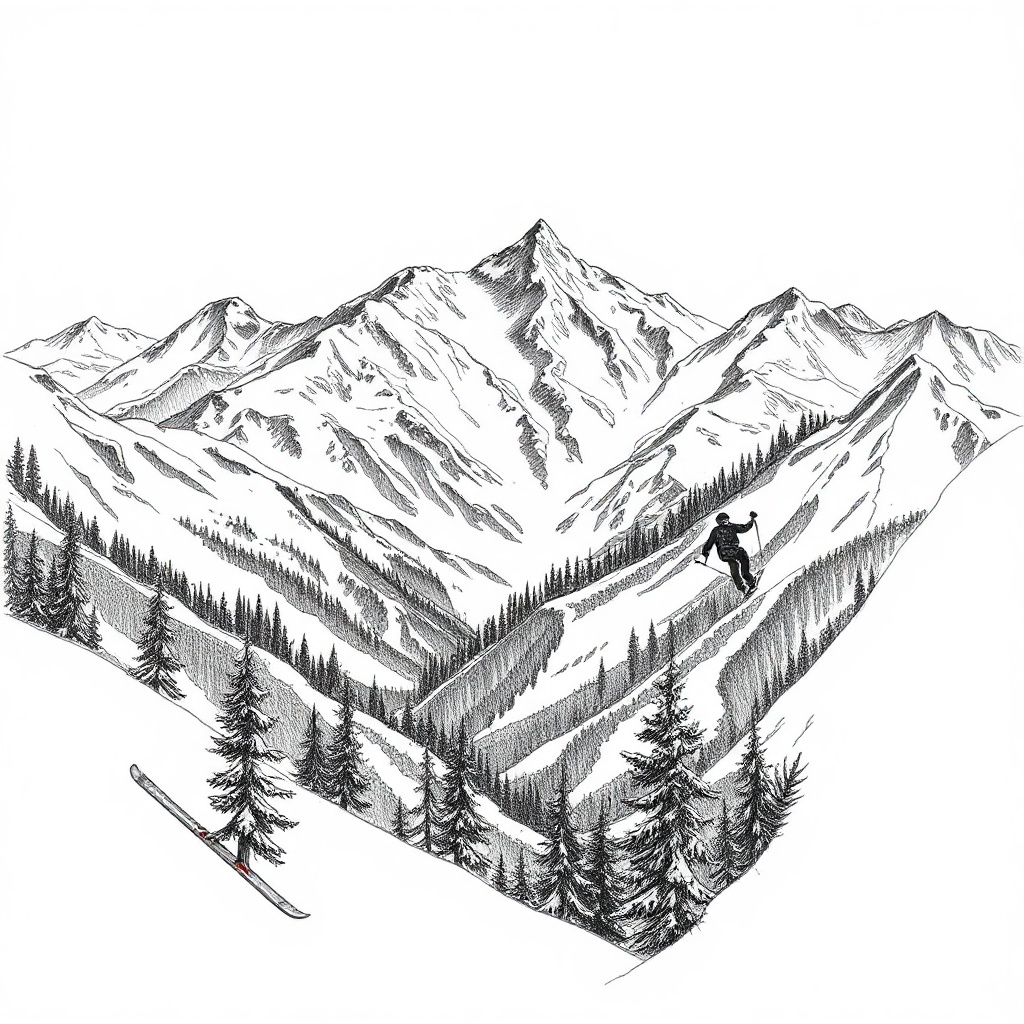
Utah Skiing: Where Powder, Variety, and Accessibility Meet
Utah skiing is prized for its light, dry powder, diverse terrain and easy access from a major international airport. Whether you’re chasing deep off-piste turns, grooming up a corduroy run, or introducing a beginner to the slopes, Utah’s mountain range delivers options that suit every style and skill level.
Why Utah stands out
Utah’s snow is famously dry and fluffy, the result of ideal atmospheric conditions that produce consistently high-quality powder. The range of resorts—from intimate, old-school ski areas to large, interconnected mountain complexes—means skiers and snowboarders can find everything from sheltered tree runs and steep chutes to wide cruisers and family zones. Proximity to a major airport and convenient highway access make weekend trips and day missions especially practical.
Top resort experiences
– High-volume, amenity-rich resorts offer extensive lift networks, luxury lodging, vibrant dining scenes and varied terrain for all levels. These are great for groups with mixed abilities and those who want a full-service resort experience.
– Traditional ski areas focus on classic skiing culture: deep snow, steep terrain and a friendly, community vibe. Expect more challenging runs and less commercialized atmospheres.
– Smaller hills and family-oriented resorts provide gentle learning areas, excellent ski schools, and value-driven lift ticket options, perfect for beginners and families.
Getting around and where to stay
Salt Lake City serves as the primary gateway, with short drives and shuttle services to most resorts. Staying in the city can be a budget-smart choice with quick transit to the mountains, while mountain-base lodging offers true ski-in/ski-out convenience and early access to first tracks. Consider a mix—city nights for dining and nightlife, mountain nights for maximum slope time.
Plan smart: lift tickets, crowds and timing
Buy lift tickets and rental gear ahead of time to secure better prices and skip ticket-line waits. Midweek skiing usually means shorter lift lines and more fresh snow per skier.
Early morning sessions are often less tracked, and afternoon conditions can vary—watch for wind-exposed ridgelines and sun-softened snow.
Off-piste and backcountry essentials
For those venturing beyond the ropes, avalanche awareness is critical. Check the local avalanche forecast, take an avalanche course, and always carry (and know how to use) beacon, shovel and probe. Hiring a certified guide is a wise investment when exploring unfamiliar backcountry terrain.
Gear and layering
Dry powder calls for wider skis to float best; all-mountain or powder-specific boards are popular choices. Use a breathable waterproof shell, warm mid-layers and moisture-wicking base layers. Don’t forget sun protection—high-altitude sun can be intense—and consider a hydration system to combat altitude-related dehydration.
Family and lessons
Many resorts prioritize family experiences with progressive beginner zones, childcare and tailored lesson packages. Group lessons, private coaching and kids’ programs make learning efficient and fun, turning first-timers into confident riders quickly.
Sustainability and community
Resorts and communities in Utah are increasingly focused on sustainable practices—energy efficiency, waste reduction and habitat protection—so look for eco-conscious programs when choosing where to visit.
Before you go
Check live snow reports, lift status and local travel advisories.
Pack layers, plan for altitude, and leave time for après-ski relaxation—local dining and hot springs make great rewards after a day on the slopes. Utah skiing offers a blend of quality snow, accessibility and variety that keeps enthusiasts returning season after season.