Yellowstone remains one of the world’s most compelling wild places—an active volcanic landscape where steam, color, and wildlife converge. For anyone planning a visit or just curious about the park, understanding its geothermal wonders, how to enjoy wildlife responsibly, and practical travel tips will transform a trip into a memorable and safe experience.
What makes Yellowstone special
Yellowstone sits atop a massive geothermal system, producing more geysers, hot springs, mud pots, and fumaroles than anywhere else on the planet. Iconic features like Old Faithful deliver predictable eruptions that draw crowds, while the Grand Prismatic Spring stuns with vivid mineral-driven colors visible from a nearby overlook. Beyond the hydrothermal spectacle, sweeping canyons, alpine lakes, and river valleys provide habitat for bison, elk, bears, wolves, and many bird species—creating opportunities for wildlife viewing that feel both intimate and epic.
Safety and responsible viewing
Seeing a bison or bear in the wild is thrilling, but safe distances are essential. Keep at least 25 yards from wildlife such as bison and elk, and at least 100 yards from bears and wolves. Use binoculars or a telephoto lens for close views. Never approach, feed, or surround animals; unpredictable behavior can lead to injury. For bear country, carry bear spray and know how to use it—store it where it can be quickly accessed.
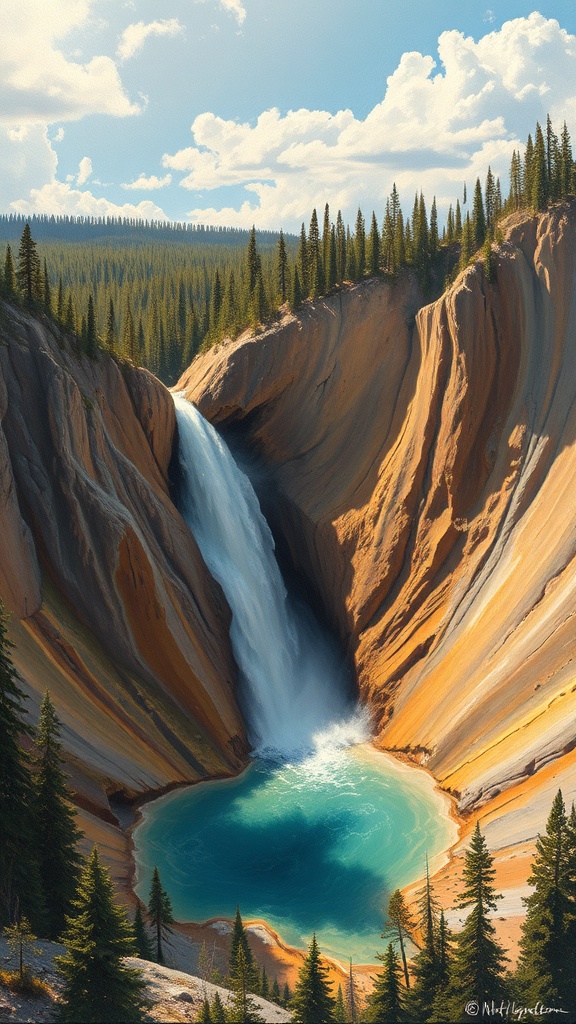
Stay on boardwalks and marked trails around geothermal areas.
Thermal ground is fragile and can be dangerously hot just beneath a thin crust. Off-trail travel in thermal basins is prohibited for safety and preservation.
Best practices for visiting
– Check park alerts before departure: seasonal conditions, construction, and trail closures can change access quickly.
– Book lodging and camping early; demand often outstrips supply, especially near popular geyser basins.
– Dress in layers: mountain weather shifts rapidly, and mornings or evenings can be chilly even after a warm day.
– Fuel up: gas stations are limited inside the park; fill your tank when you can.
– Time your visits: popular sites are busiest mid-morning through mid-afternoon—early morning or late afternoon often yields quieter viewing and better light for photos.
Photography tips
For geothermal photography, use a circular polarizer to enhance sky contrast and reduce reflection on water surfaces. Bracketing exposures can help capture the full tonal range of colorful springs.
When photographing wildlife, silence your camera and use continuous focus modes to freeze motion. Respect closures and avoid getting closer for a better shot.
Conservation and stewardship
Yellowstone’s ecosystems are fragile. Pack out what you pack in—leave no trace. Avoid using drones, which are restricted because they disturb wildlife and other visitors. Support conservation efforts by visiting responsibly, donating to authorized organizations, or participating in educational programs.
Exploring beyond the icons
Popular geysers and overlooks are must-sees, but quieter experiences reward those willing to explore.
Less-frequented trails, scenic drives, and ranger-led programs provide deeper insight into Yellowstone’s geology and ecology. Consider guided tours for backcountry access or wildlife-focused outings led by experienced naturalists.
Yellowstone is a place of raw natural power and delicate beauty. With preparation, patience, and respect for wildlife and thermal features, visits can be both awe-inspiring and safe—leaving memories that reflect the park’s extraordinary character.