Utah skiing draws skiers and riders from around the world for one simple reason: famously light, dry powder and a compact range of world-class resorts reachable within an hour of a major airport. Whether you chase deep backcountry lines, family-friendly groomers, or high-alpine steeps, the Wasatch Range delivers accessible, varied terrain and a lively mountain culture.
Where to go and what to expect
– Little Cottonwood Canyon: Home to steep, technical terrain and legendary powder, the two iconic resorts here offer everything from tight, tree-lined gladed runs to expansive bowl skiing.
Expect serious vertical and terrain that rewards advanced skiers and expert riders.
– Big Cottonwood Canyon: Known for consistent snow, varied intermediate runs, and good beginner terrain, these resorts are ideal for families and mixed-ability groups.
Both mountains provide a classic “local” vibe and efficient lift networks.
– Park City and surrounding resorts: The largest connected ski area in the region provides long cruisers, bowl skiing, and a huge variety of terrain. Park City’s lively Main Street and mountain-base dining options make it an excellent spot for a full resort experience.
– Smaller and specialty areas: Less-crowded powder stashes, family-focused resorts, and Nordic centers give visitors options beyond the big names—useful for avoiding peak lift-line times and discovering quieter turns.
Tips for planning your trip
– Timing: Peak snow conditions come during mid-winter storms, while shoulder periods offer lower crowds and better lodging deals.
Weekdays are typically quieter than weekends, and first lifts often reward early starters with untouched snow.
– Passes and lift tickets: Popular multi-resort passes can be a good value for long stays or multiple stops; single-resort tickets and midweek deals can be smarter for one-off visits. Check resort websites and local ticket partners for bundled packages and shuttle options.
– Getting there: Salt Lake City International Airport is the usual gateway. Drive times to canyon resorts range from short commutes to moderate drives depending on conditions—allow extra time when storms are active. Many resorts offer shuttles and public-transit connections from the valley.
– Rentals and lessons: Renting gear in town saves lugging skis through the airport; boot-fitting services and demo programs help dial in performance. Beginner and freestyle lessons are widely available and worth the investment for faster progress and safer practice.
Backcountry and safety
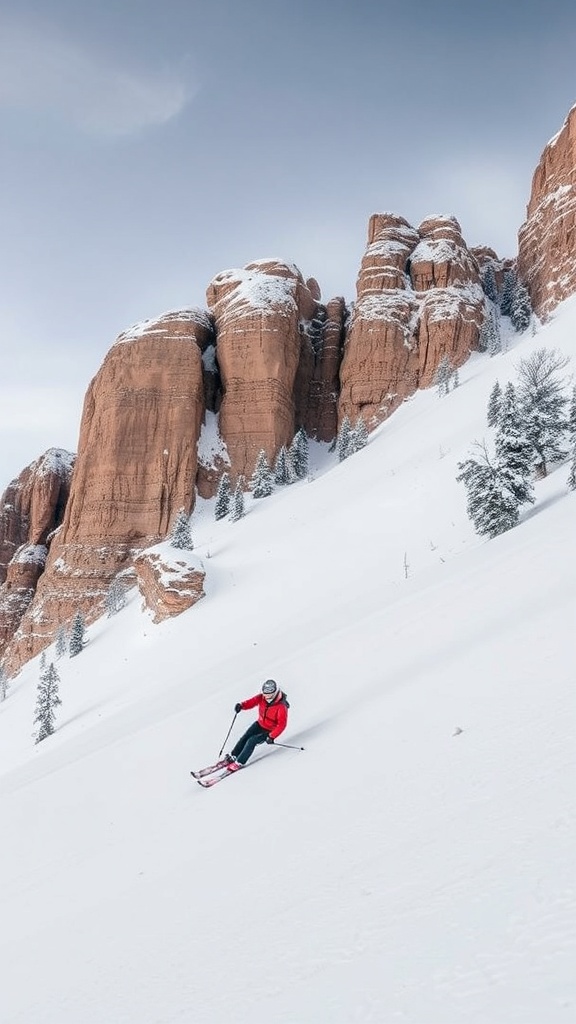
The Wasatch offers exceptional backcountry access but also avalanche risk. Always check the avalanche forecast before heading out and carry beacon, shovel, and probe. Formal avalanche-awareness and rescue courses are strongly recommended for anyone traveling beyond resort boundaries. Respect closures, heed signage, and consider hiring a local guide for complex objectives.
Après and logistics
Mountain-base dining varies from casual lodges to upscale eateries; downtown towns offer bustling nightlife and diverse food scenes. For families, look for resorts with childcare and beginner-friendly zones. For winter photographers and powder hunters, scouting ridge views and timing light after storms yields the best visuals.
Why Utah remains a top ski destination
Accessible airport transfers, reliable snowfall patterns, and a dense cluster of high-quality resorts make Utah an enduring favorite. Whether you plan a luxury ski vacation, a family getaway, or an exploratory backcountry mission, careful planning—respect for mountain safety, smart ticket strategy, and local insight—turns a trip into unforgettable turns.