The Rocky Mountains remain one of the most compelling landscapes for adventure, science, and quiet reflection. Stretching across a vast swath of North America, this mountain chain offers dramatic peaks, deep valleys, and ecological zones that change rapidly with elevation. Whether planning a day hike, a multi-day backpacking trip, or a scenic drive, understanding what makes the Rockies unique helps visitors get the most from their time while protecting fragile environments.
Geology and landscape
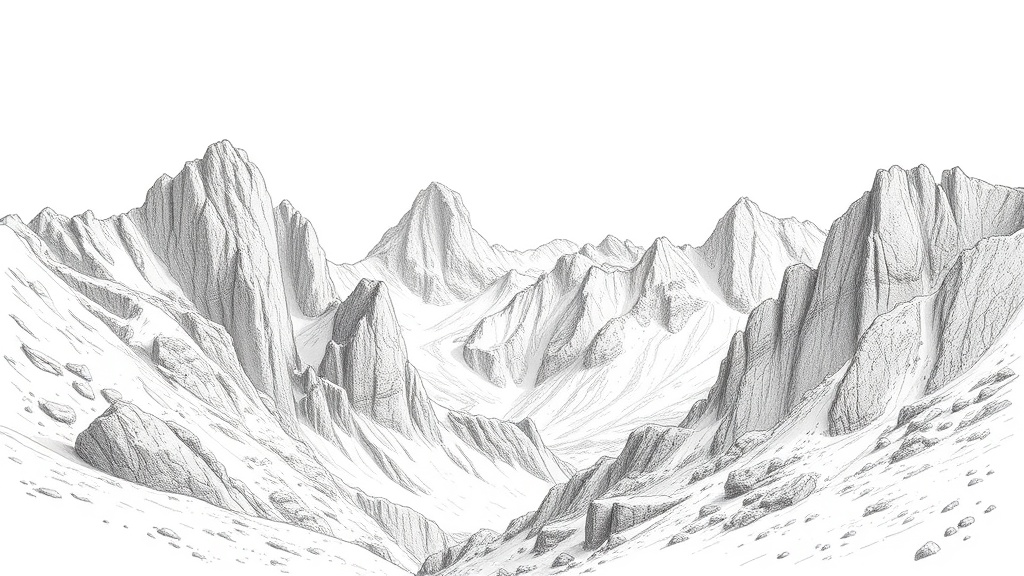
The Rockies were shaped by powerful mountain-building forces that pushed ancient rocks skyward, creating steep ridgelines, glaciated cirques, and high plateaus. Expect a variety of rock types and dramatic contrasts: jagged granite spires, layered sedimentary walls, and broad alpine basins. Glacial activity carved the most striking valleys and lakes, leaving behind turquoise waters and moraines that draw photographers and climbers alike.
Biodiversity and wildlife
Elevation creates distinct life zones in the Rockies. Lower slopes support mixed conifer forests and aspen groves, mid-elevations feature subalpine forests, and ridge tops host alpine tundra, where hardy wildflowers carpet short growing seasons.
Wildlife is abundant and wide-ranging: elk and mule deer graze meadows, bighorn sheep and mountain goats negotiate steep cliffs, and carnivores like black bears and, in parts of the range, grizzly bears and wolverines roam more remote areas. Birdlife includes raptors, grouse, and high-country songbirds. Be aware that insect pests such as bark beetles can alter forest composition over large areas, influencing fire behavior and habitat structure.
Recreation and travel tips
Popular activities include hiking, backpacking, climbing, backcountry skiing, and scenic driving. For safe and enjoyable outings, consider these practical tips:
– Acclimatize: Allow time to adjust to higher elevations; symptoms of altitude can appear quickly.
– Layer clothing: Mountain weather is unpredictable—pack windproof and waterproof layers plus sun protection.
– Navigation: Carry a map, compass, and/or GPS device; trails can be obscured by snow or storm events.
– Bear safety: In bear country, store food properly, travel in groups when possible, carry bear spray, and know how to use it.
– Leave no trace: Pack out all waste, stay on durable surfaces, and minimize campfire impacts where regulations allow.
Safety in changing conditions
Weather can shift from calm to severe in hours. Afternoon thunderstorms are common at high elevations—plan summit attempts early in the day. Snow and late-season ice can linger on trails; microspikes or crampons may be necessary for winter-like conditions. For winter recreation, avalanche awareness and proper safety gear are essential. Check local trail and avalanche forecasts before heading out.
Conservation and stewardship
The Rockies face ongoing pressures from habitat fragmentation, increased recreational use, shifting wildfire regimes, and climate-related changes in snowpack and water resources. Supporting conservation efforts—through local land trusts, park friend groups, and responsible recreation—helps maintain the wild character that draws people to the mountains.
Small choices, like sticking to trails, respecting seasonal closures, and reducing single-use waste, make a measurable difference.
Whether seeking solitude among alpine wildflowers or testing fitness on a steep ridge, the Rocky Mountains invite careful exploration. Approaching the range with preparation and respect ensures memorable experiences while preserving the landscape for future visitors.