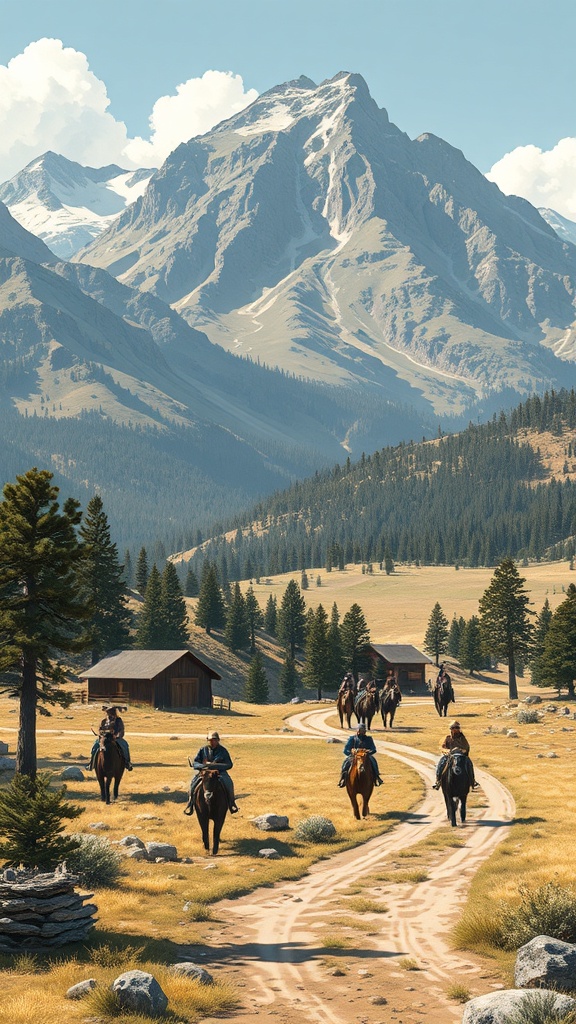
Wyoming ranches offer a rare blend of wide-open landscapes, working heritage, and investment potential. From high mountain meadows to sagebrush basins, these properties attract buyers chasing a true ranch lifestyle, operators looking for grazing acreage, and visitors wanting authentic dude-ranch experiences. Understanding the practical, legal, and lifestyle aspects makes the difference between a dream purchase and an expensive lesson.
What makes Wyoming ranches distinctive
– Vast open space and privacy: Large parcels are common, giving room for cattle, horses, wildlife habitat, and recreational access.
– Diverse terrain: Elevation ranges support irrigated hay meadows, dryland grazing, riparian corridors, and sagebrush steppe, all contributing to resilient forage options.
– Favorable tax environment: The state’s tax structure often appeals to owners seeking lower personal tax burdens compared with many other states.
– Strong ranching culture: Longstanding traditions of cattle ranching and seasonal moves provide deep local knowledge and community networks.
Practical considerations before buying
– Water and water rights: Water is the most critical asset on any ranch. Confirm whether irrigation ditches, wells, and storage reservoirs are deeded, adjudicated, or subject to prior appropriations. Access to reliable water for livestock and hay production is essential.
– Grazing permits and public land access: Many ranches border or include permitted grazing on federal lands. Review permit terms, allotment schedules, and infrastructure responsibilities.
– Mineral and surface rights: Verify whether mineral rights convey with the sale.
Retained subsurface rights can create future development risks.
– Access and easements: Ensure legal access via deeded roads or recorded easements, especially for remote parcels.
Seasonal access challenges can affect operations and insurance.
– Infrastructure and maintenance: Budget for fencing, water systems, corrals, and equipment. Repairs and replacement are recurring costs that impact cash flow.
Sustainability and conservation opportunities
Ranchers increasingly blend production with conservation. Practices like rotational grazing, riparian fencing, and native grass restoration improve forage, sequester carbon, and support wildlife habitat. Conservation easements can protect open space, limit subdivision, and may provide tax advantages or stewardship funding while keeping a working ranch intact.
Ranch lifestyle and recreation
Wyoming ranches cater to a range of uses: working cattle operations, guest-oriented dude ranches, and private recreational retreats. Elk, mule deer, antelope, and a variety of upland birds make many properties attractive to hunters and wildlife enthusiasts. For guest operations, offering horseback riding, cattle-handling experiences, fishing, and wellness retreats creates diversified income streams that can stabilize seasonal ranch revenue.
Financing and working with professionals
Financing a ranch typically requires lenders familiar with agricultural real estate. Conventional banks, farm credit institutions, and specialty lenders can offer loan products tailored to ranch operations. Key advisors include experienced ranch brokers, water-rights attorneys, land-use planners, and local agricultural extension agents. An appraisal that accounts for both agricultural productivity and recreational value helps establish fair market pricing.
Tips for getting started
– Start with a clear purpose: recreational, production, investment, or a blend.
– Assemble a local team: broker, attorney, surveyor, and lender who understand regional ranch issues.
– Do a thorough due diligence: title search, water-rights verification, environmental assessments, and fencing/road condition review.
– Consider long-term costs: property taxes, maintenance, insurance, and infrastructure upgrades.
– Explore conservation options: easements or partnership programs can support stewardship goals and offer financial flexibility.
Wyoming ranches are more than property—they’re a lifestyle and a legacy. With careful planning, local expertise, and sustainable practices, a ranch can provide productive land, meaningful recreation, and a place to connect with the landscape.