The Rocky Mountains: What’s Happening in the High Country and How to Enjoy It Safely
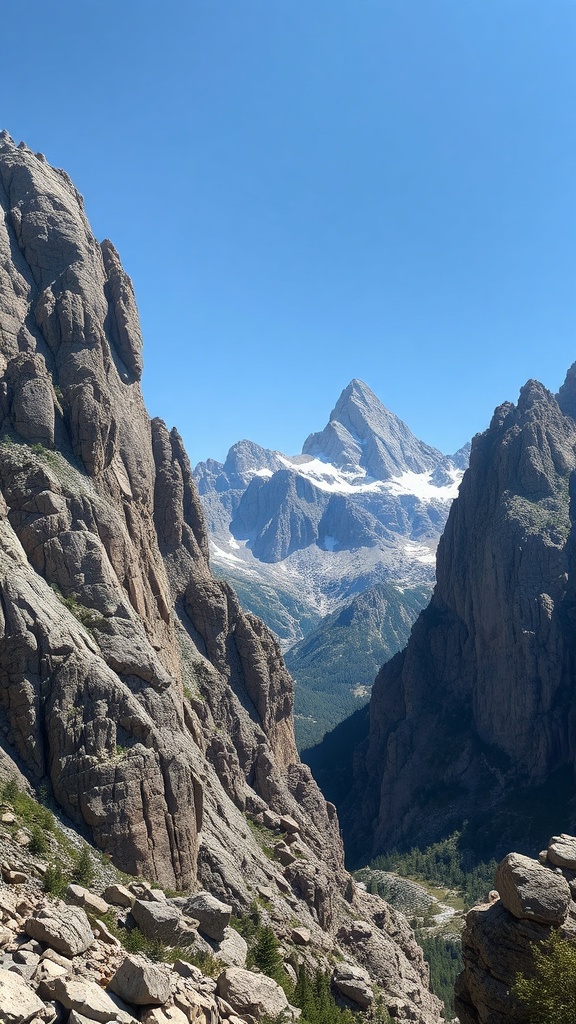
Stretching across vast swaths of western North America, the Rocky Mountains remain a defining landscape for outdoor lovers, conservationists, and anyone seeking dramatic scenery. The range’s jagged peaks, alpine meadows, and deep river valleys support a mosaic of ecosystems and a booming recreation economy.
Understanding how the Rockies are changing and how to recreate responsibly helps everyone get more from these iconic mountains.
Key ecological shifts and why they matter
– Hydrology and snowpack: Snow that accumulates at high elevations feeds rivers and reservoirs downstream. Shifts in snow timing and reductions in peak snowpack are altering streamflow patterns, impacting water availability for communities, agriculture, and fish habitat.
– Fire and insects: Longer fire seasons and episodic large fires have altered forest structure across many slopes.
At the same time, native and invasive insects can weaken trees, leaving expanses of dead timber that change wildlife habitat and increase fire risk.
– Wildlife movements: Species such as elk, mule deer, and mountain goats are adjusting ranges and migration patterns in response to habitat change.
Maintaining connected corridors across low-elevation valleys is critical for seasonal movement and genetic diversity.
– Alpine ecosystems: High-elevation plant communities are especially sensitive. Small shifts in temperature or snow cover can favor lower-elevation species and reduce habitat for specialized alpine plants and pollinators.
Outdoor recreation trends and good practices
Interest in hiking, biking, backcountry skiing, and fly-fishing remains high.
Popular trailheads see heavy use during peak seasons, so planning ahead is essential. Best practices include:
– Check local trail conditions and closures before you go.
– Use established trails to limit erosion and protect fragile alpine vegetation.
– Pack out all trash and follow Leave No Trace principles, including responsible campsite selection and minimizing campfire impacts where fires are allowed.
– Practice wildlife safety: store food properly, give animals plenty of space, and never feed wildlife.
High-altitude safety essentials
The Rockies’ elevation can cause altitude-related symptoms even for experienced hikers. Acclimatize gradually, stay hydrated, and monitor for headache, nausea, or shortness of breath. Weather changes rapidly in the mountains; carry layers, waterproof gear, and navigation tools. For backcountry travel, bring emergency signaling devices, a map and compass (and know how to use them), and consider avalanche training and the right rescue gear for winter travel.
Conservation and community efforts
Conservation organizations, public land managers, and local communities are working on collaborative solutions: protecting critical watersheds, restoring burned landscapes, maintaining wildlife corridors, and promoting sustainable tourism.
Volunteer trail crews and citizen science projects offer ways for visitors to give back while learning about local stewardship priorities.
Scenic experiences worth seeking
The Rockies offer diverse ways to connect with high country: sunrise hikes to alpine lakes, scenic drives that reveal layered mountain views, guided fishing trips on wild rivers, and backcountry hut networks that open up extended foot-powered travel. No matter the activity, choosing less-crowded access points and visiting during shoulder seasons can enhance the experience while reducing pressure on popular areas.
The appeal of the Rockies endures because the landscape remains dynamic—beautiful, demanding, and full of life. Staying informed about conditions, practicing responsible recreation, and supporting on-the-ground conservation keeps these mountains healthy and accessible for the future.