Mining towns occupy a unique place in the cultural and economic landscape. Born from discovery and shaped by extraction, these communities often experience dramatic boom-and-bust cycles that leave visible scars — both on the land and in local livelihoods. Today, many mining towns face the twin challenges of environmental remediation and economic transition, while others leverage their heritage and natural setting to reinvent themselves.
Why mining towns matter
Mining towns were once engines of regional growth, attracting workers, businesses, and infrastructure. Even after mines close or scale back, their legacy remains: built environments, specialized skills, and social networks that can be mobilized for new directions. Understanding these dynamics is essential for policymakers, community leaders, and investors focused on resilient regional development.
Common challenges
– Economic dependency: Towns heavily reliant on a single commodity are vulnerable to price swings and resource depletion.
– Environmental damage: Tailings, acid mine drainage, and contaminated soils create long-term cleanup needs.
– Demographic shifts: Outmigration of younger residents and aging populations strain local services.
– Infrastructure mismatch: Roads, housing, and utilities designed for a larger workforce can become underutilized or expensive to maintain.
Paths to revitalization
Many mining towns are finding creative, practical ways to adapt. Successful strategies tend to combine environmental rehabilitation with economic diversification and strong community planning.
– Heritage and tourism: Preserving historic mine sites and industrial architecture can attract visitors interested in history, geology, and unique landscapes. Interpretive centers, guided tours, and festivals turn industrial pasts into cultural assets.
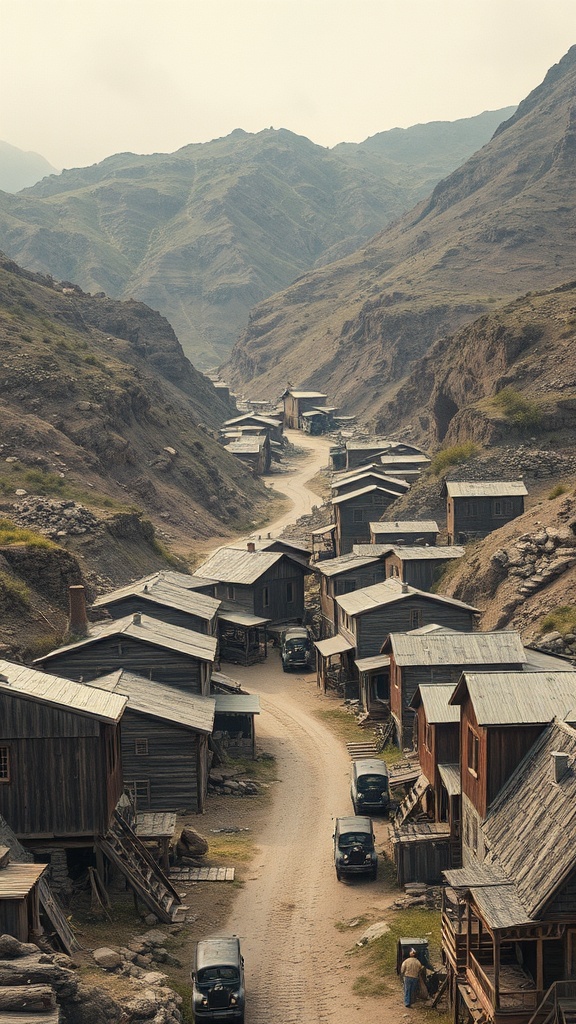
– Outdoor recreation economies: Former quarries, tailings ponds, and surrounding natural areas can be repurposed for hiking, mountain biking, climbing, fishing, and watersports, supporting hospitality and outdoor-service jobs.
– Renewable energy and green industry: Abandoned mine lands can host solar or wind farms, battery storage, and other clean-energy projects, providing long-term revenue and new employment opportunities.
– Technology and remote work hubs: Improved broadband opens the possibility of remote workers and small tech firms relocating to lower-cost communities if quality of life and amenities are attractive.
– Skilled trades and remediation jobs: Mine closure requires environmental engineers, water-treatment specialists, and construction crews. Training programs that translate miners’ skills into remediation and renewable-energy roles are especially effective.
Environmental approaches that work
Reclamation is both a technical and social process. Effective methods include:
– Passive treatment wetlands and constructed systems to handle mine-impacted water.
– Phytoremediation and phytostabilization using hardy plants to reduce contaminant mobility and restore soils.
– Tailings reprocessing to recover remaining minerals while reducing waste volumes.
– Capping and landform redesign to manage erosion and allow safe public use.
Community-led planning
Long-term success depends on inclusive planning. Communities that create transition plans with local businesses, indigenous groups, and regional agencies tend to achieve better outcomes. Priorities often include housing reuse, education and retraining, health services, and diversified tax bases.
The human dimension
Stories from mining towns are not just about infrastructure; they are about identity. Preserving cultural memory — miners’ songs, oral histories, and communal rituals — helps communities retain cohesion during change. Supporting mental health and social services is essential where economic stress has been acute.
Mining towns are neither destined for decline nor immune to future challenges. With thoughtful reclamation, diversified economies, and strong community engagement, many are forging resilient futures that honor their past while embracing new possibilities.