Mining towns carry a unique blend of grit, history, and potential. Once dominated by extraction, many of these communities are navigating transitions—balancing cultural preservation with economic renewal, addressing environmental legacies, and reimagining local identity.
Understanding how mining towns evolve helps residents, planners, and visitors support sustainable, resilient futures.
Legacy challenges and opportunities
Mining towns often face a familiar mix of infrastructure built for high population and activity, followed by population decline when mines scale back. This creates both underused assets and urgent needs: vacant housing, aging public works, and fiscal strain on local services. At the same time, intact industrial architecture, strong community networks, and unique cultural heritage become assets for reinvention. Recognizing which features are liabilities and which are opportunities is the first step toward targeted recovery.
Economic diversification strategies
Shifting from a single-industry economy requires deliberate diversification. Successful approaches include:
– Small business development: Incentives, microgrants, and mentoring programs help locally owned cafés, craft shops, and service providers take root.
– Remote work hubs: Converting vacant commercial space into coworking centers attracts professionals able to work remotely, bringing steady income and demand for local services.
– Renewable energy projects: Former mine sites can host solar arrays or battery storage, creating jobs and generating local revenue while repurposing disturbed land.
– Specialty manufacturing and logistics: Leveraging existing rail or road links supports niche manufacturing or distribution hubs that don’t require large labor pools.
Heritage tourism and adaptive reuse
Mining history draws curious visitors. Heritage tourism can be a reliable revenue stream when handled thoughtfully:
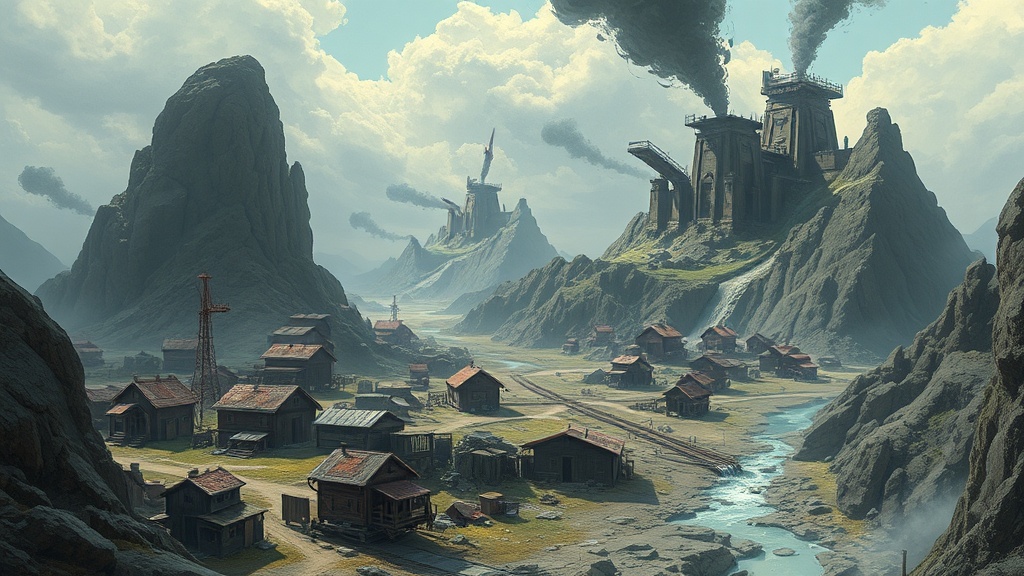
– Interpretive trails and museums: Preserving mining equipment, buildings, and oral histories creates engaging experiences for visitors while honoring local stories.
– Adaptive reuse of industrial buildings: Old warehouses and mills become galleries, breweries, or event spaces, preserving character while meeting modern needs.
– Festivals and experiential tourism: Mine tours, reenactments, and cultural events build seasonal visitor appeal and boost hospitality sectors.
Environmental remediation and sustainable land use
Reclaiming mined land is both a regulatory requirement and a community opportunity. Modern remediation focuses on stabilizing soils, restoring native vegetation, and monitoring water quality. Creative outcomes include:
– Wetland creation and habitat restoration that supports biodiversity and attracts nature-based tourism.
– Community agriculture projects on reclaimed land for local food security and education.
– Built infrastructure for renewable energy sited on disturbed lands to avoid encroachment on undeveloped ecosystems.
Community-led planning and resilience
Long-term success hinges on inclusive planning. Communities that involve residents in decision-making—prioritizing housing affordability, local education, and workforce training—tend to adapt more successfully. Partnerships with regional governments, universities, and private investors help scale initiatives and align them with broader economic corridors.
Practical steps for residents and leaders
– Map assets and liabilities: Inventory buildings, workforce skills, and natural resources to identify realistic opportunities.
– Seek flexible funding: Combine public grants, impact investment, and crowdfunding for initial projects.
– Build tourism slowly: Start with local events and interpretive signage before investing heavily in infrastructure.
– Prioritize education and retraining: Align local training programs with growth sectors like renewables, digital services, and hospitality.
Mining towns are not fixed relics; they are dynamic communities with distinctive strengths. With thoughtful planning, creative reuse, and investment in people, these towns can transform challenges into lasting economic and social value while preserving the character that makes them compelling destinations.