Utah’s landscape is one of the most dramatic and accessible playgrounds in the country, drawing outdoor lovers, photographers, and road-trippers to its red rock canyons, alpine peaks, and saline inland seas. Whether you plan a weekend escape or a multi-day itinerary, understanding how to experience Utah responsibly will make any trip safer and more rewarding.
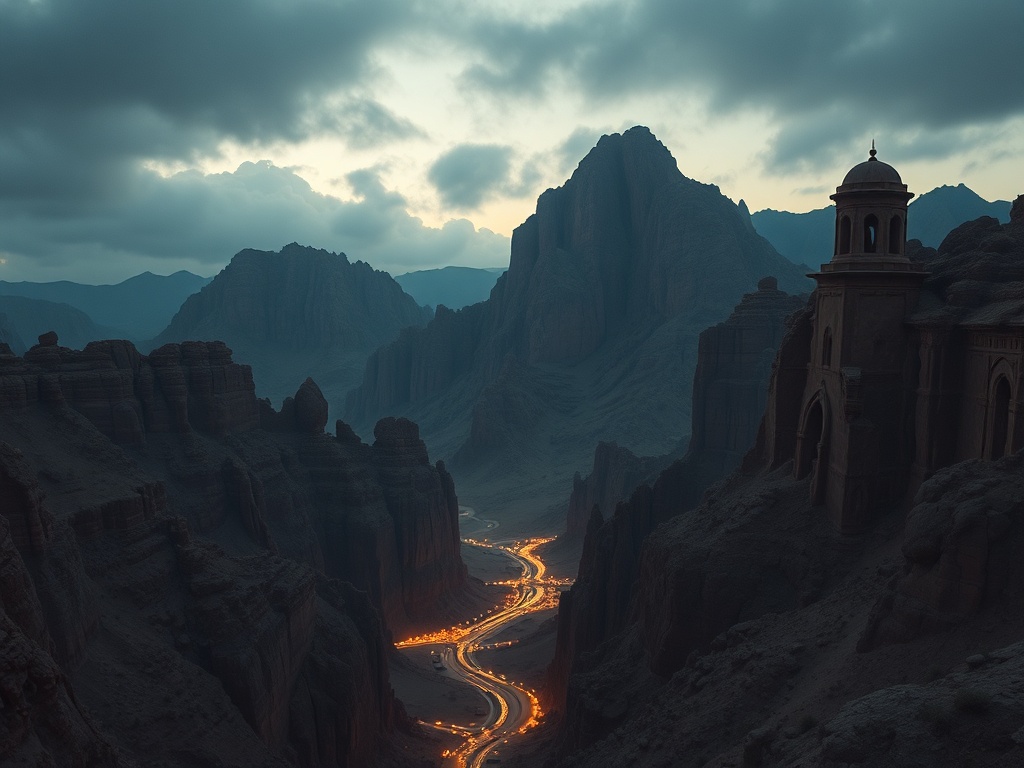
Why Utah stands out
Utah is home to a staggering variety of public lands. The “Mighty Five” national parks—Arches, Bryce Canyon, Canyonlands, Capitol Reef, and Zion—are headline attractions, each offering distinct formations and ecosystems.
Beyond the parks, there are scenic byways, state parks, BLM lands, and a web of trails for hiking, mountain biking, canyoneering, and rock climbing. This concentration of diverse landscapes within drivable distance makes Utah a unique destination for varied outdoor pursuits.
Smart planning tips
– Check access and reservation rules: Several busy areas use timed-entry, shuttle systems, or permit requirements to manage crowds and protect sensitive areas. Research each destination before you go to avoid surprises.
– Time your visit around weather and light: Early morning and late afternoon bring softer light for photography and cooler temperatures for strenuous hikes. Shoulder seasons often offer milder conditions and fewer visitors.
– Prepare for elevation and temperature swings: Many popular trailheads sit at higher elevations, and desert environments can shift from warm afternoons to cold nights rapidly. Layered clothing, sun protection, and plenty of water are essentials.
– Pack for variable terrain: Trails range from sandy washes and slickrock to technical canyons.
Sturdy footwear, navigation tools, and basic first-aid gear are wise choices. For technical routes, bring appropriate climbing or canyoneering equipment and permits if required.
Leave No Trace and local stewardship
High visitor numbers can stress trails, vegetation, wildlife, and fragile geological features. Practicing Leave No Trace principles helps preserve what makes Utah special:
– Stay on designated trails to protect cryptobiotic soil crusts and plant life.
– Pack out all trash and minimize campfire impacts; many backcountry areas prohibit fires.
– Avoid collecting rocks, plants, or cultural artifacts.
– Respect wildlife by keeping distance and securing food.
Support conservation efforts by following local regulations and considering donations or volunteer time to land stewardship organizations.
Beyond the parks: lesser-known gems
To avoid crowds and discover quieter landscapes, explore state parks and BLM areas that offer equally compelling scenery—slot canyons, off-the-beaten-path overlooks, and remote backcountry routes. Scenic drives through red rock country and alpine lakes near mountain towns provide diverse options without the same level of visitation pressure as the national parks.
Community and economy
Outdoor recreation is a major contributor to local economies, supporting small businesses, guide services, and hospitality industries across urban hubs and rural communities. Sustainable tourism practices help ensure that these landscapes remain economically and ecologically viable, benefiting residents and visitors alike.
Final travel reminder
Whether you’re chasing dawn light at a canyon rim, scrambling through a technical canyon, or paddling along a tranquil river bend, thoughtful preparation preserves both your safety and the land. Plan ahead, respect regulations, and savor the wide-open spaces—Utah rewards curiosity and care with unforgettable scenery and outdoor experiences.