Wyoming blends vast open skies, rugged mountain ranges, dramatic geyser basins and wide swaths of public land into one of the most compelling outdoor playgrounds in the country. Whether you’re planning a first trip or looking for fresh ideas, here’s a practical guide to getting the most from a visit while respecting the landscapes and wildlife that make Wyoming special.
Where to go and what to see
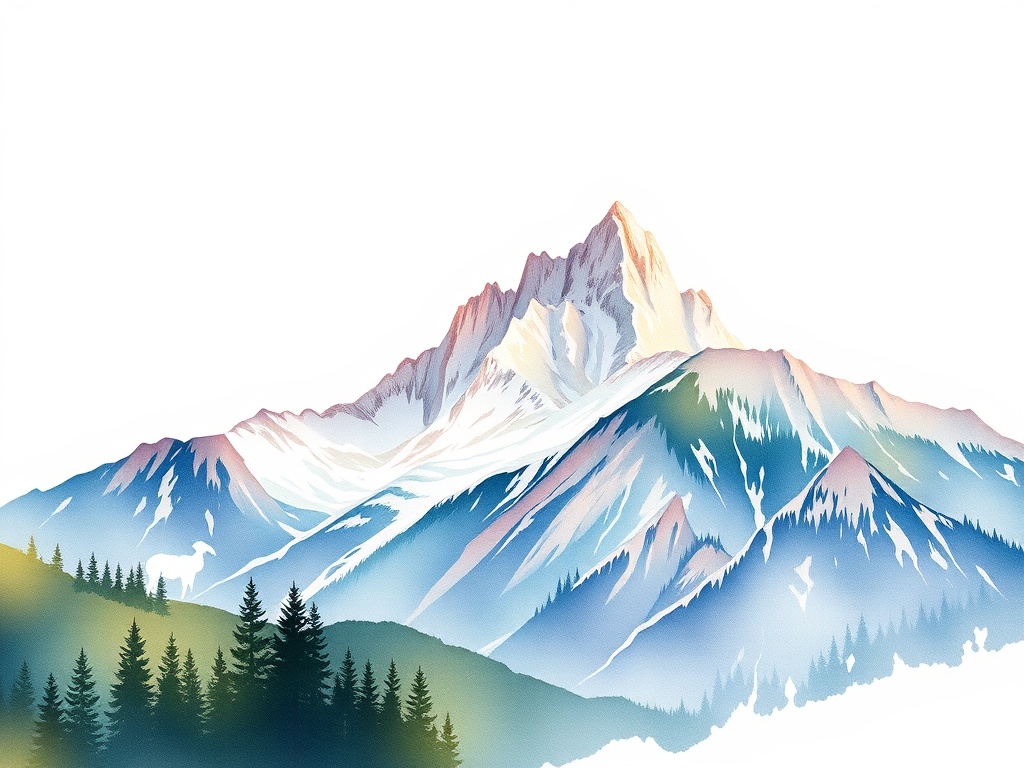
– Yellowstone National Park: Famous for geothermal wonders like geysers and hot springs, Yellowstone also offers wildlife viewing—bison, elk, bears and wolves—across its expansive valleys. Stick to boardwalks and marked trails near thermal features; the ground can be fragile and dangerously hot.
– Grand Teton National Park: Towering peaks, alpine lakes and scenic drives make this an ideal destination for hiking, photography and paddling.
Backcountry permits are required for overnight stays in designated zones, so plan ahead.
– Wind River Range and Bighorn Mountains: For more solitude, these ranges provide high-alpine hiking, technical climbing and dispersed camping on public lands. Expect fewer crowds and more remote terrain.
– Quaint gateway towns: Jackson, Cody, Sheridan and Lander are hubs for culture, gear shops, rodeo history and local cuisine. Museums like the Buffalo Bill Center of the West offer a deep dive into regional history.
Seasonal tips and safety
Weather in Wyoming can change quickly—sunny mornings can give way to afternoon storms and sudden temperature shifts—so dress in layers and carry rain protection. High elevation affects breathing and exertion; allow time to acclimate and stay hydrated.
Wildlife encounters are a highlight but require caution. Keep a safe distance, use binoculars or a long lens, never approach or feed animals, and keep pets leashed. Carry bear spray in grizzly country and know how to use it. On roads, slow down for wildlife—vehicle collisions are a common hazard.
Permits, reservations and access
Many popular areas require reservations or permits for camping, especially for backcountry trips. National park campgrounds and certain trailheads book up during peak seasons, so check official park websites and recreation portals before you go. On BLM and national forest lands, dispersed camping is often allowed, but follow local rules and camp at least a set distance from water sources and trails.
Leave No Trace and conservation-minded travel
Wyoming’s wild places depend on visitors practicing Leave No Trace principles: pack out trash, minimize campfire impacts, respect wildlife, and stay on durable surfaces. With growing interest in outdoor recreation, responsible behavior helps preserve trails, fragile plant communities and wildlife corridors.
Practical packing list
– Layered clothing and waterproof outerwear
– Sturdy hiking boots and sun protection
– Water filtration or purification method
– Bear spray and a basic first-aid kit
– Headlamp and extra batteries for early starts or night navigation
– Maps and compass or a reliable GPS—cell service can be limited
Why people keep coming back
Wyoming offers a rare combination of dramatic scenery and expansive solitude. Whether it’s watching steam rise from a geyser at dawn, hiking an alpine ridge for panoramic views, or stargazing beneath incredibly clear skies, the state rewards curiosity and a slow, respectful pace.
Plan ahead, prioritize safety, and leave the places you visit as pristine as you found them—then you’ll understand why so many return.