Navajo (Diné) art carries a deep cultural language expressed through weaving, jewelry, sandpainting, painting, and contemporary mixed-media work.
Rooted in ceremony, storytelling, and daily life, these forms blend time-honored techniques with evolving aesthetics, making Navajo art both timeless and highly sought after.
Weaving remains one of the most recognizable Navajo art forms. Rugs and blankets are woven on upright looms using hand-spun or commercial yarns, producing distinctive regional styles. Classic pieces include strong geometric patterns and specific banding seen in traditional chief-style blankets; more pictorial and narrative rugs incorporate figures, animals, and landscape motifs. Look for tight, even weaves and selvage finishing as indicators of quality. Provenance is important: many collectors prefer pieces made by named weavers, and accompanying information about the weaver and the community enhances both cultural value and market value.
Silver-and-turquoise jewelry is another signature art form. Silversmithing techniques—stampwork, overlay, inlay, and complex cluster settings—are widely practiced. Turquoise remains central but varies in color and matrix depending on source; older pieces often show natural patina that many collectors value.
When evaluating Navajo jewelry, check hallmarking, construction quality, and stones’ stability. Ethical buying means confirming whether pieces were created by Navajo artists and being mindful that some ceremonial objects should not be traded.
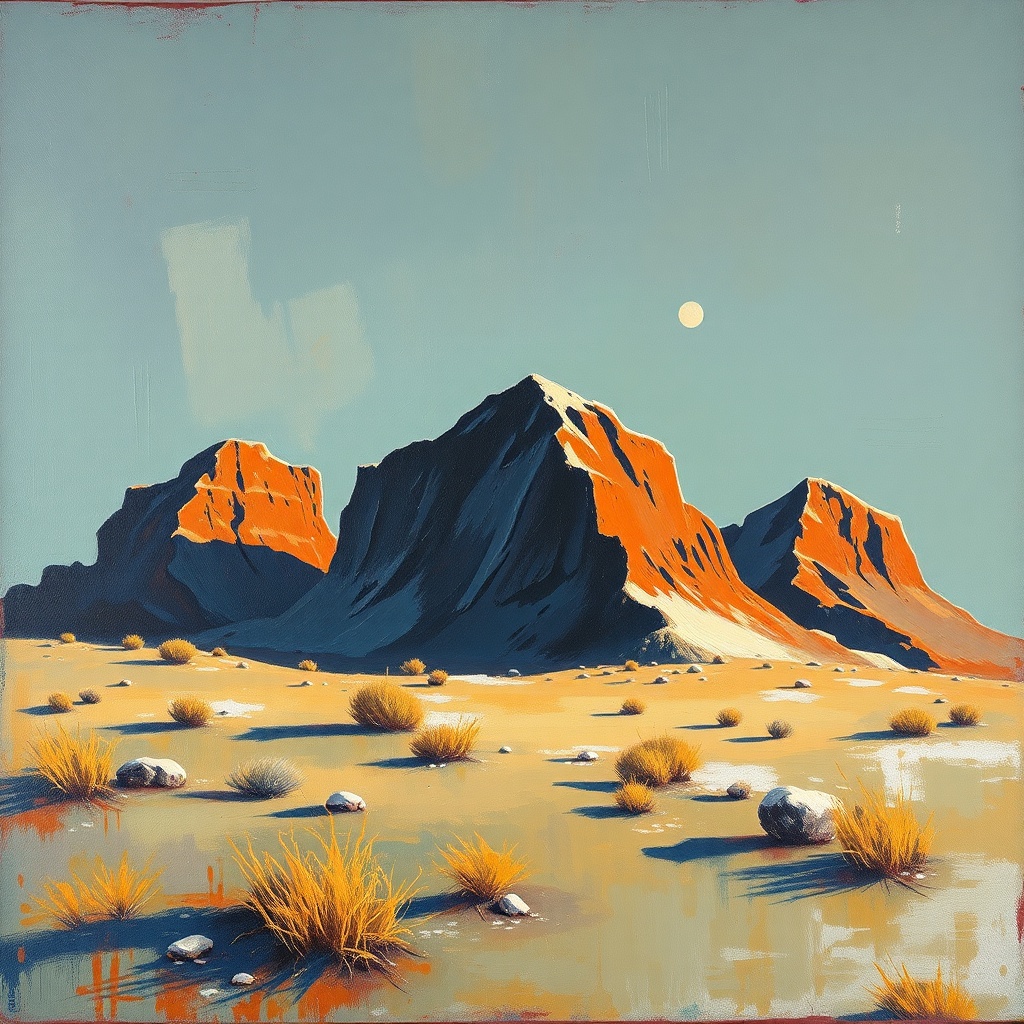
Sandpainting, painting, and beadwork are deeply connected to cultural and ceremonial practices. Sandpaintings often function as part of healing ceremonies and carry sacred significance; many artists create non-ceremonial works inspired by these motifs for the public market, but respectful boundaries matter—ask seller or artist about the intent and appropriateness of a piece. Contemporary Navajo painters and mixed-media artists are reinterpreting traditional iconography and addressing current themes—identity, land, language, and social change—while maintaining connections to cultural heritage.
Collecting Navajo art responsibly involves attention to authenticity and ethics. Buy directly from artists, tribal markets, or reputable galleries that provide provenance and respect Indigenous intellectual property. Avoid pieces lacking clear origin or items that appropriate sacred designs without permission.
Certificates of authenticity and artist biographies add value and transparency.
Care and conservation keep pieces vibrant for generations. For textiles: avoid direct sunlight, maintain stable humidity and temperature, vacuum gently through a screen or seek professional cleaning for stains, and store flat or rolled on an acid-free tube with acid-free tissue.
For silver and turquoise: limit exposure to chemicals (including household cleaners and cosmetics), store jewelry separated to prevent scratching, and use gentle silver polish only when necessary—over-polishing can remove desirable patina.
For sandpaintings and paintings: frame with UV-protective glass and use archival materials.
Engaging with Navajo art is also about relationships. Attend tribal markets and exhibitions, read artist statements, and learn the stories behind motifs.
Supporting Native-run galleries and artist cooperatives ensures that economic benefits return to communities.
Photography etiquette matters: always ask before photographing ceremonial items or private works, and respect copyright and reproduction rules.
Navajo art is a living tradition that balances ceremony and commerce, past techniques and contemporary expression. Whether you’re building a collection or simply appreciating the work, prioritizing authenticity, cultural respect, and direct support for artists creates meaningful connections and preserves these rich artistic practices for the future.