Navajo art blends ancestry, landscape, and spiritual practice into a living visual language. Rooted in the Diné people’s traditions, it spans tapestry weaving, silverwork and turquoise jewelry, ephemeral sandpainting, and vibrant contemporary expressions that engage global audiences while remaining culturally grounded.
Weaving: more than pattern
Navajo weaving is a cornerstone of Diné material culture. Using hand-spun wool—often from heritage Churro sheep—and natural or commercial dyes, weavers create rugs and blankets that read as both utilitarian objects and canvases of identity. Distinct regional styles carry names and recognizable motifs: geometric bands, stepped patterns, and bold central medallions often signal a piece’s provenance and the weaver’s lineage. Beyond aesthetics, many motifs hold symbolic significance tied to stories, clan identities, or landscape features.
Silverwork and turquoise: a marriage of metal and stone
Navajo silversmithing introduced a dramatic new medium to textile-centered communities, producing iconic forms like concho belts, squash blossom necklaces, and stamp-work rings. Turquoise remains the signature gemstone, prized for color range and matrix patterns. When shopping, prioritize provenance and ask whether stones are stabilized or treated—this affects value and care. Look for hallmarks or artist signatures; many contemporary jewelers sign their work and participate in tribal artisan programs that ensure fair compensation.
Sandpainting and ceremonial art: respect and context
Sandpaintings are traditionally part of healing ceremonies and are created as temporary, sacred compositions. Because they’re embedded in religious practice, many images are considered restricted or not for reproduction. Respect for cultural protocols is essential: avoid purchasing or displaying items that have been created from or replicate ceremonial materials without clear, community-based consent.
Contemporary evolution
Today’s Navajo artists bridge traditional techniques with contemporary media—photography, installation, graphic design, and conceptual practices—addressing topics from land stewardship to identity politics. Exhibitions and online platforms have amplified Diné voices, but meaningful engagement means supporting artists directly, recognizing cultural ownership, and learning the context behind artworks.
Buying and caring for Navajo art
Buy with provenance: request information about the artist, community, and materials.
Prefer purchases through tribal-owned shops, gallery programs that work directly with artists, and certified Native American art collectives. Be cautious of mass-produced imitations marketed as “Southwestern” or “Navajo” when made outside Indigenous communities.
Textiles: store flat or tightly rolled on acid-free tubes, keep out of direct sunlight, and maintain stable humidity to prevent fiber deterioration and moth damage. Jewelry: avoid household chemicals, remove pieces before swimming or heavy work, and clean silver gently with a soft cloth. For turquoise, avoid ultrasonic cleaners and harsh polishing.
Ethical considerations
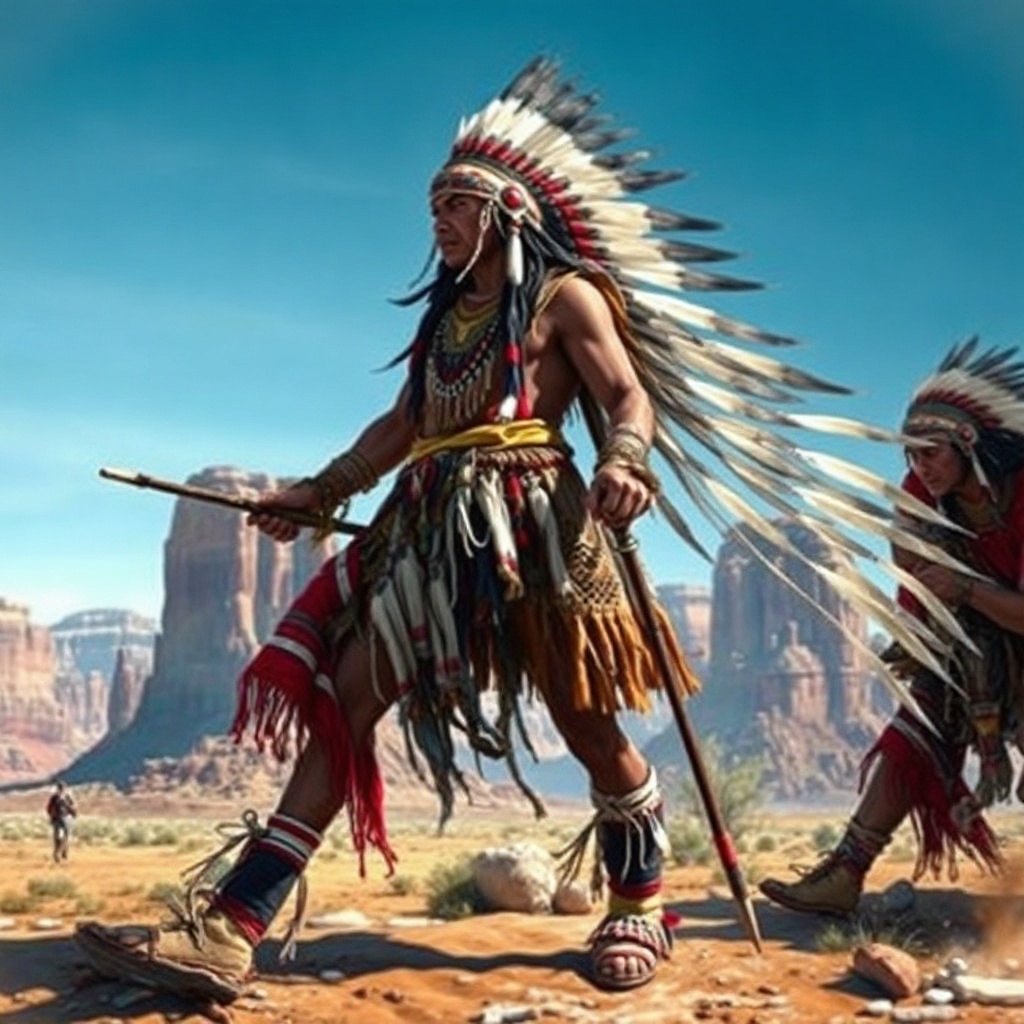
Supporting Navajo artists means more than buying beautiful objects. It includes acknowledging the cultural and spiritual dimensions of art, respecting restrictions on sacred imagery, and advocating for policies that protect Indigenous intellectual property. When possible, attend local markets, artist talks, or tribal cultural events to make informed purchases and build relationships with makers.
Engage and learn
Navajo art rewards curiosity. Read artist statements, ask respectful questions about technique and meaning, and prioritize artists’ voices when interpreting works. That approach fosters deeper appreciation and helps sustain a vibrant, living tradition that continues to evolve while honoring its roots.